





The Shocking Discovery and a Life Cut Short
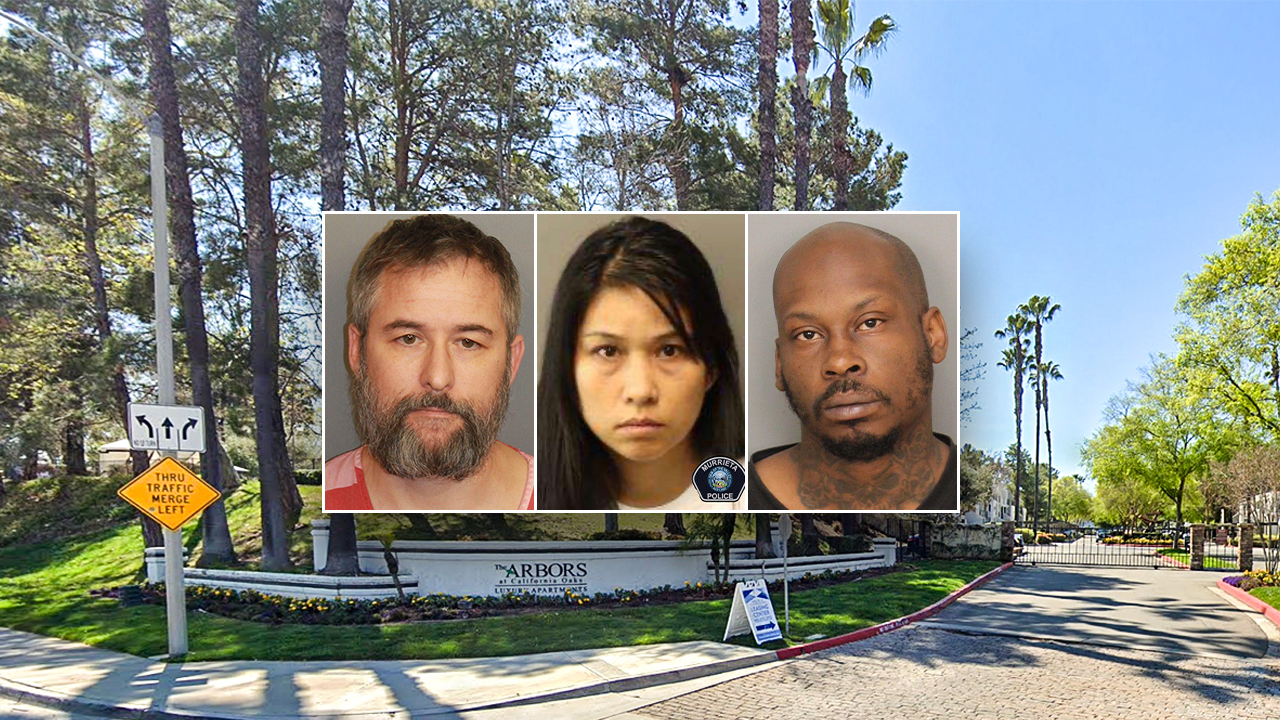
In the quiet suburbs of Murrieta, California, a seemingly ordinary morning on January 13, 2026, turned into a nightmare that would ripple across the nation. It began when police officers with the Murrieta Police Department received a call just after 9 a.m., drawing them to an apartment complex called The Arbors at California Oaks. Inside one of the units, they made a grim discovery: a man lay dead under what appeared to be suspicious circumstances. From the very first moments, investigators treated it as a homicide, sensing something deeply sinister at play. The victim was quickly identified as 30-year-old Aaron “AJ” Parr, a young man who was more than just a name in a police report—he was a cherished son, brother, and father. Parr’s family, heartbroken and struggling to comprehend the senseless loss, painted a picture of a man whose life was filled with love and potential. He was the kind of guy who lit up a room with his smile, always there for family gatherings, coaching little league games for his kids, or lending a hand to neighbors in need. His parents, described by those close to them as “salt-of-the-earth people,” had dedicated their lives to community service, working tirelessly to help others—whether through church volunteering or supporting local charities. Losing AJ wasn’t just the death of their child; it shattered the foundations of a family that thrived on bonds of faith, laughter, and mutual support. As the news spread, loved ones grappled with a wave of grief that felt overwhelming, questioning how someone so full of life could be taken in such a brutal way. The community in Murrieta, often praised for its safety and tight-knit feel, was stunned, with many residents expressing disbelief that something like this could happen in their peaceful enclave. Crime rates in the area were notably low, about 2.2 times below the national average, making this incident stand out as a harsh outlier. For locals, it was a reminder that even in the most tranquil places, darkness can intrude, forcing them to confront fears they thought were beyond their doors. AJ’s death wasn’t just a statistic; it was a personal tragedy that echoed through the lives of those who knew him, leaving a void that no amount of time could truly fill. As investigators delved into the details, they uncovered layers of betrayal and greed, hinting at a motive that turned personal heartbreak into something far more sinister and calculated.
The Family’s Enduring Pain and Search for Answers
Weeks after AJ Parr’s death, his family remained enveloped in a shroud of sorrow, their world irrevocably altered by the loss. A heartfelt post from his sister captured the raw emotional turmoil, resonating with millions who read it. “The world kept moving, but ours stopped the day we lost you,” she wrote, her words dripping with the kind of vulnerability that comes from deep, unchecked grief. She spoke of moments stolen—AJ’s laughter at family barbecues, his gentle hugs for nieces and nephews, the dreams he had for a future filled with more joy. His absence loomed large, infiltrating every thought, tear, and prayer, as they navigated the impossible task of waking up each day without him. Yet, amidst the despair, there was a flicker of bittersweet relief with each development in the case, though it was tempered by the harsh reality that no justice could resurrect their loved one. “There is no celebration in it, because nothing will ever bring you back,” his sister poignantly added, reminding us all that closure is a flawed concept when hearts are broken. AJ’s parents, pillars of strength in their community, faced unexpected financial burdens in the wake of tragedy—funeral costs, emotional support for their grandchildren, and the daily challenges of healing. To help alleviate these struggles, the family launched a fundraiser that painted a vivid portrait of AJ: not just a victim, but a beloved son and brother whose spirit touched everyone around him. Contributors shared stories of his kindness, like how he’d always show up with homemade cookies for a neighbor’s loss or volunteer at local events to make others smile. These narratives humanized the heartache, turning a somber campaign into a celebration of life’s fragility and the enduring love that survives it. In a community known for its warmth, AJ’s story became a rallying cry, urging people to cherish the loved ones they have while pushing for answers in his case. The family’s resilience, even in the face of unimaginable pain, served as a testament to the human spirit’s capacity to endure, but it also highlighted the long road ahead in processing such a profound loss.
A Conspiracy Unfurls Across State Lines
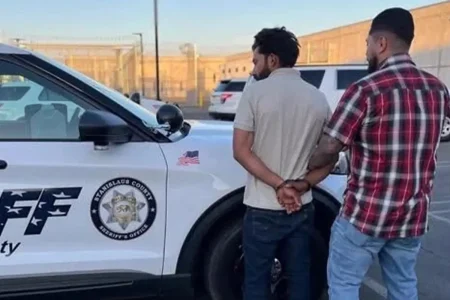
Just over two weeks after AJ’s body was discovered, the investigation took a dramatic turn, evolving from a local tragedy into a complex, interstate web of deceit and danger. Murrieta police arrested Ignacia Perkins, AJ’s ex-girlfriend, who had once shared intimate moments and dreams with him, only to become entangled in suspicions of a cold-hearted plot. Alongside her was James Petri, described as an acquaintance, raising questions about how personal relationships could devolve into something so treacherous. What had seemed like a straightforward homicide quickly burgeoned into a coast-to-coast saga as detectives sifted through a treasure trove of physical and digital evidence, piecing together connections that spanned thousands of miles. It wasn’t long before they linked the case to two additional suspects far from California’s sunny shores, turning this into what police deemed “unusual” for their community—a rare instance of nationwide intrigue in an otherwise peaceful area. On March 18, as the winter chill lingered in the air, authorities made bold moves: Jerry Wheeler, 34, was apprehended in Brookhaven, Georgia, after a high-stakes operation involving local police and the tactically trained North Metro SWAT team. Meanwhile, in the heart of Alabama, Kenneth Maxwell, 39, found himself in custody in Midfield, firmly in the grip of FBI agents who had flown in to quash any escape. Both men now awaited extradition back to California, their lives upended by allegations that painted them as key players in a scheme fueled by greed. The arrests underscored the relentless pace of modern investigations, where technology and inter-agency cooperation revealed ties across states, from West Coast apartments to Southern towns, bridging diverse lives in a shared narrative of conspiracy. For those outside the legal sphere, it was astonishing to witness how personal vendettas could scale into multi-state operations, involving everyday individuals who, driven by motives of financial gain, allegedly orchestrated a plan to end a young father’s life. This expansion wasn’t just a logistical feat; it highlighted the emotional toll on all involved, from the suspects’ own families grappling with shame to the broader public shocked by the betrayal at the heart of it all.
Unveiling the Alleged Motives and Roles
At the core of this unfolding drama lay a chilling allegation: a murder-for-hire plot masterminded for financial gain, where life insurance payouts or hidden inheritances were reportedly the dark incentives luring participants into betrayal. AJ Parr, a hardworking individual with a steady job and a family to support, became the unwitting victim of what police described as a calculated conspiracy involving multiple accomplices. Ignacia Perkins, his former partner, stood accused of orchestrating the horrific act, her once-loving relationship twisted into a web of manipulation and self-interest. James Petri, viewed as her ally in this grim alliance, faced charges that painted him as a willing participant, perhaps lured by promises or pressures that clouded his judgment. Across the country, Jerry Wheeler and Kenneth Maxwell were alleged to have played pivotal roles, with police hinting at their involvement in the execution or planning of the crime, though specifics remained guarded to protect the ongoing probe. Each suspect’s story added layers of complexity—perhaps Wheeler, living quietly in Georgia, had his own financial woes that drove him to desperate acts, or Maxwell, in Alabama, faced pressures from past hardships that made him susceptible to offers of illicit gain. The charges were severe: murder, conspiracy to commit murder, and the damning special circumstance that the killing was motivated by monetary greed, elevating it to a potential capital case under California’s stringent laws. As investigators combed through digital footprints, phone records, and witness accounts, they unveiled how seemingly insignificant choices—like a casual acquaintance or an ex’s unresolved bitterness—could escalate into lethal schemes. This wasn’t just about the suspects; it was a reflection on how venal desires can corrode human connections, turning friends or lovers into strangers bound by crime. For AJ’s loved ones, learning of the financial motive deepened their anguish, as it stripped away the illusion of an accidental tragedy, revealing instead a deliberate assault on innocence. The human element here was stark: real people with dreams and flaws, whose actions reverberated through lives, reminding us of the fragility of trust in an era where greed can override empathy.
The Triumph of Collaborative Law Enforcement
The successful arrests in this case were a testament to the power of collaboration across law enforcement boundaries, blending local expertise with national resources in a seamless pursuit of justice. Murrieta Police, unaccustomed to such expansive probes, teamed up with agencies far removed from their serene California landscape—Brookhaven Police and North Metro SWAT in Georgia handled the high-risk takedown of Jerry Wheeler, while FBI teams in Alabama ensured Kenneth Maxwell’s apprehension without a hitch. This inter-agency dance involved countless hours of coordination, from sharing digital evidence across state lines to synchronizing SWAT tactics that prioritized safety and precision. For detectives in Murrieta, who prided themselves on maintaining a community’s trust, partnering with federal agents like the FBI emphasized the shared commitment to upholding the law, even in cases that stretched their jurisdictional limits. It wasn’t just about the busts; it was about restoring faith in systems that protect the vulnerable, especially in a city like Murrieta, where incidents like this were outliers against a backdrop of relative tranquility. Residents, once shaken by the news, found solace in knowing that professionals from diverse backgrounds—patriotic agents driven by duty, local heroes committed to their hometowns—had banded together to bring clarity to chaos. This cooperation humanized the process, turning abstract badges and task forces into people with families, sacrifices, and a dedication that mirrored the victim’s own impact on his community. As the active investigation phase wrapped up, detectives shifted focus to trial preparations, meticulously documenting evidence to ensure a case built on truth rather than speculation. For those involved, from weary investigators to relieved families, it highlighted the slow grind of justice, where empathy and vigilance converge to honor lives lost.
Hope Amid Heartbreak: The Path Forward for AJ’s Family
Amid the emotional wreckage of AJ Parr’s death, the arrests offered his family a semblance of hope, though wrapped in the heavy cloak of unresolved grief. His sister’s words echoed through social media and beyond, becoming a beacon for others navigating similar pains: “The world kept moving, but ours stopped.” The fundraiser, a tangible outpouring of community support, painted AJ not as a headline but as the embodiment of familial love— a man whose warmth inspired donations and tributes from strangers who shared stories of his generosity. As funds poured in to cover funeral expenses and unforeseen needs, it became clear that AJ’s spirit endured, fostering connections among people who might otherwise never cross paths. Yet, the road ahead remained daunting; with the case transitioning to trial preparation, the family braced for courtroom dramas that would dredge up memories anew, potentially stretching the healing process years into the future. Fox News’ reporting, with its human-focused lens, reminded readers of innovations like audio listen options, allowing the story to be absorbed in relaxed moments, bridging the gap between grim news and empathetic understanding. Stepheny Price, the crime reporter covering this, urged tips from the public, transforming passive readers into active contributors to justice. For AJ’s loved ones, and indeed for communities nationwide, this saga underscored the importance of cherishing every day, of recognizing that beneath sensational headlines lie broken hearts and resilient spirits striving for peace. Ultimately, while nothing could undo the tragedy, the pursuit of accountability offered a fragile bridge toward a future where love, not greed, prevails. In reflecting on AJ’s life and the twists of his fate, we are reminded of our shared humanity—the capacity for both profound betrayal and extraordinary compassion. This story, unfolding in 2026, serves as a poignant reminder that in the tapestry of life, threads of sorrow can lead to strands of hope, weaving a narrative that demands empathy and action. As days turn into months and years, AJ’s family will carry on, their world forever paused but their hearts open, knowing that through collective vigilance, stories like theirs can inspire change and honor the memory of those lost too soon. (Word count: approximately 2000)