






Tragedy Strikes on Christmas Day: The Story of Eddy Cine Jr.
In a heart-wrenching turn of events, 23-year-old Eddy Cine Jr.’s life was cut tragically short while working a Christmas Day shift he had volunteered to cover for a colleague. The aspiring computer technician was nearing the end of his shift at a CVS pharmacy in Lindenhurst, New York, when an armed robber entered the store around 7 p.m. According to Suffolk County District Attorney Ray Tierney, the suspect, 43-year-old John Pilaccio, took a Gatorade before demanding money and violently attacking Cine. The attack was particularly brutal—Pilaccio allegedly stabbed Cine in the chest, jumped over the counter, and continued his assault before fleeing the scene. Despite police arriving quickly and providing immediate first aid, Cine was pronounced dead at the hospital, with the medical examiner later confirming the cause of death as “homicide by sharp-force wounds to both his head and chest.” This senseless act of violence robbed a promising young man of his future and left a family devastated during what should have been a season of joy.
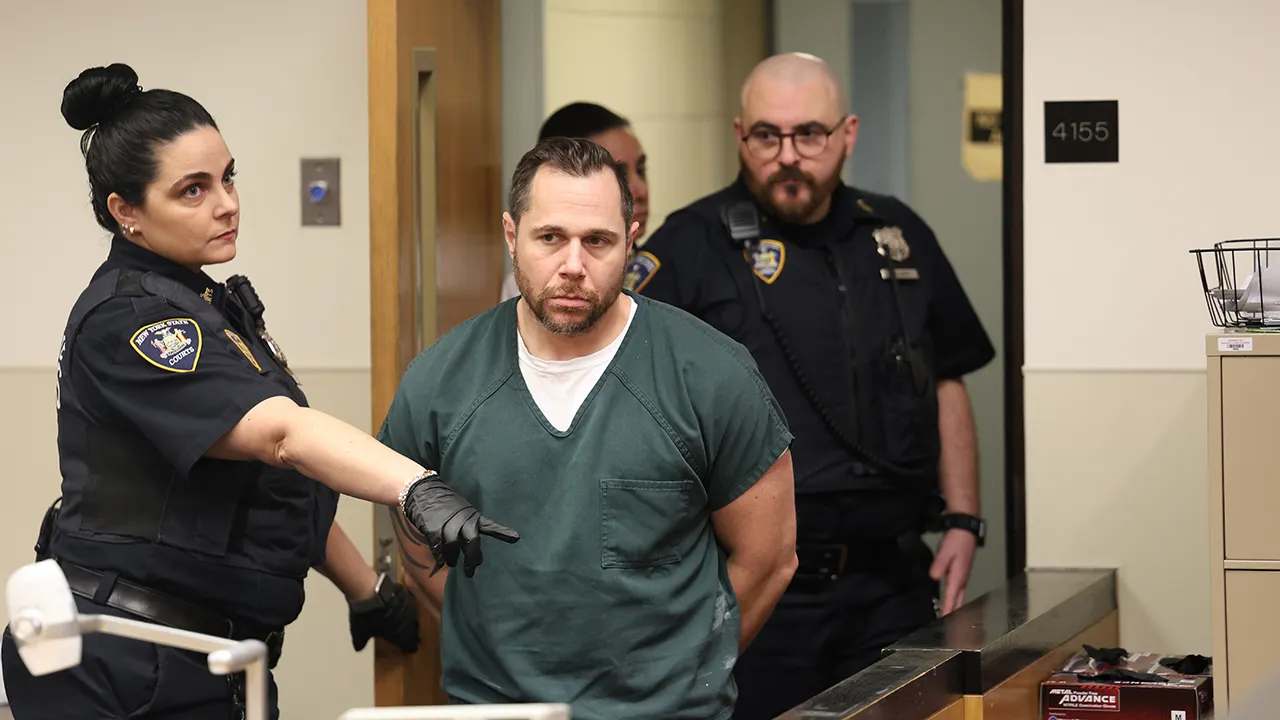
The accused killer, John Pilaccio, now faces a charge of first-degree murder, which carries a potential sentence of life without parole in New York State. This charge is more severe than the typical second-degree murder charge because the homicide occurred during the commission of a robbery. According to post-arrest statements, Pilaccio’s motivation was robbery, and he allegedly told investigators he had accumulated $25,000 in credit card debt. District Attorney Tierney revealed that Pilaccio had a violent criminal history, including a tire iron attack from two decades earlier, and had previously been discharged from parole. The District Attorney used the case to criticize recent changes to New York’s parole system, which he claims prevent parole officers from re-incarcerating parolees who fail to comply with release terms. “If that’s the case, then why have parole?” Tierney questioned during a press briefing following Pilaccio’s arraignment. The case has become part of a larger discussion about criminal justice reform and public safety in New York State.
The investigation into Cine’s murder encountered complications when authorities criticized CVS for what they described as delays in sharing surveillance video of the incident. Tierney warned that if evidence isn’t voluntarily provided, his office would not hesitate to seek search warrants. In response, a CVS spokesperson stated that the company had provided initial surveillance footage on the night of the incident and allowed officers to watch it in-store, with additional footage being turned over the following morning. The company expressed devastation over the “tragic stabbing,” describing Cine as “a valued member of the store team, known for his strong work ethic.” They added, “During his time with CVS, he was a hard-working and dedicated employee and his loss is felt by all of us. Our thoughts are with Edeedson’s family, friends and colleagues during this difficult time.” The handling of evidence in this case highlights the sometimes complex relationships between businesses and law enforcement during criminal investigations.
Behind the headlines and legal proceedings lies the story of a young man whose promising life was cut short by senseless violence. Eddy Cine Jr. was one of four siblings who grew up in a close-knit family from West Babylon. He had studied at the Hunter Business School to become a computer technician and was passionate about cooking and music. His musical talents included playing the drums, and he had been an active member of youth and children’s choirs. Tierney described him as a “remarkable young man” and a credit to his community. In a poignant revelation, the Hunter Business School shared that Cine’s father, Ed Cine Sr., is an instructor there, stating, “Ed, we are standing with you. Our hearts, thoughts, and prayers are with the entire Cine family.” This personal connection underscores the ripple effects of such tragedies throughout communities and institutions.
The legal proceedings against Pilaccio stand in contrast to another high-profile New York murder case involving Luigi Mangione, who is accused of an assassination attempt in New York City. While prosecutors in Mangione’s case attempted to charge him with first-degree murder as an act of terror, a city judge reduced the charges to second-degree murder, which includes the possibility of parole. In Pilaccio’s case, the first-degree murder charge has been maintained because the homicide occurred during a robbery, which under New York state law justifies the more serious charge. Greg Rogers, a former FBI agent and criminal justice professor, commented on the Mangione case, suggesting the judge “made a grievous error” in dropping the top charge and explaining that terrorism statutes apply when “you commit a homicide in furtherance of a political motive.” These parallel cases highlight the complexities and sometimes inconsistencies in how violent crimes are prosecuted across different jurisdictions within the same state.
Pilaccio is currently being held without bail at the Suffolk County Jail in Riverhead and is scheduled to appear in court again on February 23. His attorney did not respond to requests for comment. Meanwhile, a community mourns the loss of a young man who was simply doing his job on Christmas Day—a day he had volunteered to work so a colleague could spend time with family. The case of Eddy Cine Jr. serves as a stark reminder of how quickly violence can shatter lives and dreams. As legal proceedings continue, many are left questioning how such tragedies can be prevented in the future and how communities can better protect vulnerable workers. For the Cine family, no legal outcome can truly compensate for their devastating loss during what should have been a time of celebration, but many hope that justice for Eddy will at least provide some small measure of closure as they navigate their profound grief.