





Iran’s Lethal Crackdown: How Visual Evidence Unmasks a Brutal Reality
In the shadow of Iran’s hushed streets, where dissent once simmered beneath the surface, a wave of anti-government protests erupted in late 2022, challenging the grip of the Islamic Republic. What began as cries for freedom against oppressive laws and economic despair quickly escalated into a deadly confrontation. Iranian authorities, faced with a populace hungry for change, unleashed a brutal response, wielding lethal force to quell the uprising. But amid the chaos, The New York Times’ Visual Investigations team pieced together a harrowing story from scraps of digital evidence, revealing the extent of the crackdown through hundreds of verified videos. This investigation, spanning months, offers a rare glimpse into how repressive regimes operate in the digital age, and how journalism can pierce the veil of censorship.
The protests, often dubbed “Woman, Life, Freedom,” gained momentum after the death of Mahsa Amini, a young woman arrested for allegedly violating Iran’s strict hijab laws. Demonstrators, young and old, flooded the streets of cities like Tehran and Isfahan, chanting slogans that echoed globally. Security forces responded with increasing ferocity, deploying riot police, tear gas, and eventually live ammunition. To stifle the flow of information, the government imposed a widespread internet blackout, throttling social media and messaging apps that had fueled the movement. In such an environment, where connectivity was severed and digital footprints erased, smuggling out evidence became an act of defiance. Protesters, journalists, and activists turned to encrypted channels, satellite links, and even physical couriers to share grainy phone footage. Despite the risks—arrest, beating, or worse—videos trickled out, capturing moments of tragedy and resilience.
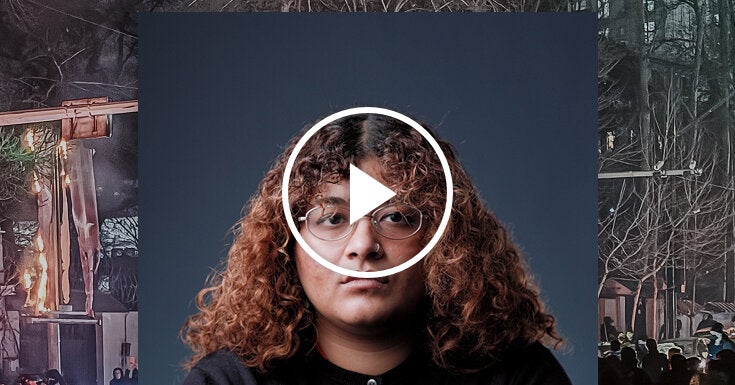
Enter The New York Times’ dedicated Visual Investigations unit, a hub of experts armed with cutting-edge tools and a relentless pursuit of truth. Led by investigators like Sanjana Varghese, the team faced a daunting task: verifying content in an adversarial landscape rife with misinformation. Their process began with collecting raw materials—dozens, then hundreds of clips from sources ranging from eyewitnesses to exiled media groups. Each video had to be scrutinized for authenticity, not just to confirm the events, but to map the timeline and locations of the crackdown. The team cross-referenced metadata, timestamps, and geographical markers, often relying on open-source intelligence tools to trace origins. One key technique involved geolocation software that pinpointed shooting sites in Tehran by analyzing shadows, landmarks, and ambient sounds, like distant mosques or traffic patterns.
Delving deeper, the verification went beyond technical wizardry; it required human intuition and collaborative forensic journalism. Video analysts examined frame-by-frame details, spotting inconsistencies that could indicate staging or alterations. For instance, they compared footage against known government propaganda, debunking claims of “foreign agitators” by showing unequivocally that victims were local Iranians. Tools like reverse image searches and AI-powered face recognition helped identify individuals, while acoustic analysis parsed out specifics from bullet whizzes or crowd shouts. In one chilling video from Mashhad, experts authenticated the sequence leading to a protester’s fatal shooting by aligning it with hospital records and survivor testimonies. This meticulous approach not only built irrefutable cases but also protected sources from reprisals, turning amateur footage into credible evidence.
From this evidence emerged a grim portrait of Iran’s lethal tactics. The verified videos chronicled at least 700 deaths, with security forces using sniper rifles and batons to disperse crowds. Strikers in Zahedan and Bandar Abbas were mowed down in broad daylight, their sacrifices captured on shaky smartphones. The findings underscored a pattern of impunity; many videos showed officers in plainclothes mingling only to reveal weapons, a strategy to evade accountability. Moreover, the footage captured the human cost—families in mourning, medics dodging gunfire to aid the wounded. One emblematic clip from Shiraz depicted a young man’s final moments, his voice fading as he pleaded for freedom, a testament to the protests’ youthful fervor. Collectively, these pieces illustrated how the crackdown was not sporadic but systematic, targeting coordinated dissent with surgical precision.
As the world grapples with the implications of such verified accounts, The New York Times’ work stands as a beacon of transparency in a fractured media landscape. It not only exposes the horrors of repression but also empowers advocacy, informing global reactions from sanctions to solidarity movements. Yet, for journalists like Varghese, the toll is personal; verifying these videos means confronting unflinching brutality, a reminder of why truth-seeking remains paramount. In an era of deepfakes and disinformation, this investigation reaffirms the power of evidence-driven reporting. Iran’s protests may have been silenced on the ground, but through visual corroboration, their echoes reverberate, urging vigilance against authoritarian overreach. As investigations like this continue, they ensure that voices stifled by force find their way into the historical record, unyielding and undeniable.
The Iranian government has vehemently denied widespread violence, labeling protesters as threats to national security. Diplomatic channels buzz with discussions, but the verified footage complicates negotiations, exposing the regime’s facade. Human rights organizations cite these findings in reports, pushing for accountability. For those involved in the visual sleuthing, the mission extends beyond headlines—it’s about safeguarding democracy’s future. One analyst reflected on sleepless nights poring over clips, each pixel a fragment of someone’s story. This blend of technology and tenacity has redefined investigative journalism, proving that even in blackout zones, light can break through. As Iran navigates its political turmoil, the global community watches, armed with the undeniable truth extracted from mere videos.
The crackdown’s aftermath lingers, with survivors facing reprisals and exiled activists carrying on the fight. The Times’ exposé has catalyzed a surge in support, from international aid for victims to renewed scrutiny of Iran’s human rights record. In the broader context of global unrest, this case highlights the vulnerabilities of digital activism. Yet, it also showcases resilience; protesters adapted, using dead drops and coded language to evade censors. For the Visual Investigations team, each verified video is a victory against erasure. They continue to monitor, analyze, and amplify voices marginalized by power. In doing so, they honor the fallen while warning of unchecked authoritarianism. The protests in Iran weren’t just an event—they were a clarion call, amplified by journalism’s unwavering eye. As we process these revelations, the importance of ethical reporting becomes ever clearer. In a world inundated with noise, verified evidence cuts through, shaping opinions and policies alike. Iran’s story, pieced together from pixels and pleas, reminds us that information is a double-edged weapon: a tool for oppression or emancipation.
Conducting such investigations demands unwavering commitment. The team faces ethical quandaries, balancing public interest with source protection in a high-stakes game. They’ve collaborated with partners worldwide, sharing methodologies to combat censorship elsewhere, from Myanmar to Belarus. This global ripple effect underscores the societal impact of their work. For instance, similar techniques have unveiled atrocities in Xinjiang and Ethiopia, bridging gaps in understanding distant conflicts. The Iranian case, however, stands out for its volume of raw, unfiltered content—proving that even in oppressive regimes, the hunger for truth persists. As technology evolves, so too must journalism’s arsenal. AI enhancements and blockchain for integrity are on the horizon, promising sturdier defenses against manipulation.
Ultimately, The New York Times’ revelation about Iran’s lethal response to protests is more than a exposé; it’s a testament to human ingenuity amid oppression. From the darkened alleys of Tehran to the bright screens of newsrooms, these videos have transformed personal tragedies into catalysts for change. They depict not just violence, but the unbowed spirit of a nation yearning for justice. In reporting this, we’ve glimpsed the fragility of freedom and the enduring quest for it. As international eyes turn to Iran, the call for reform grows louder, fueled by irrefutable evidence. This is the essence of visual journalism: where images speak louder than words, compelling action and empathy alike. And in that revelation lies hope—for Iran, and for every corner of the globe fighting similar battles.