






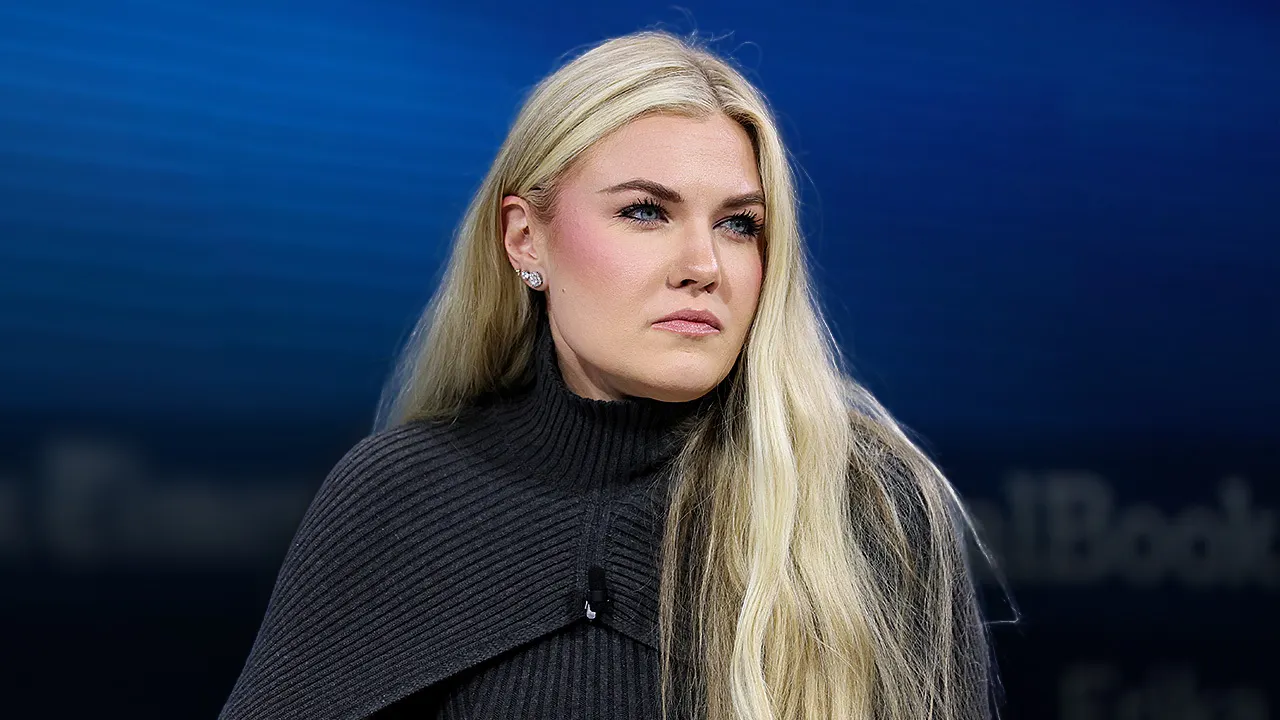
The Tragic Loss and Echoes of a Public Figure
Charlie Kirk was more than just a name in conservative politics; he was a vibrant force, a young leader who ignited passions across America with his Turning Point USA organization. At just 26, Kirk was assassinated on September 10, 2024, while addressing a crowd at Utah Valley University in Orem, Utah. For those who followed his work, this wasn’t just a random act of violence—it was the brutal end to a life dedicated to rallying young people around conservative values. Tyler Robinson, a mere 22-year-old from Utah, faces charges for that fateful shooting. In the wake of such a shocking death, the ripples extend far beyond the crime scene, touching families, fans, and a nation grappling with grief. Charlie’s widow, Erika Kirk, a mother of two young children, now finds herself at the center of a fight for truth and transparency. Her life, once filled with the whirlwind of political activism and family joys, is now shadowed by sorrow. Imagine waking up to the weight of conspiracy theories swirling online, each one twisting the narrative of her husband’s death into something sinister. Erika isn’t just mourning alone; she’s battling to honor Charlie’s memory by ensuring the public sees the full picture. This isn’t a story of politics alone; it’s a human tale of love, loss, and the relentless pursuit of justice. As Erika steps into the courtroom, she’s not just a widow; she’s a guardian of her family’s legacy, determined to prevent the erosion of trust in institutions that meant so much to Charlie.
Demanding Transparency in the Face of Adversity
In a heartfelt court filing on a Monday in the District Court of Utah’s Fourth Judicial District, Erika Kirk poured out her plea for “meaningful” media access during Tyler Robinson’s trial. Facing a judge who must weigh the defendant’s right to a fair trial against the public’s right to know, Erika argues that closing doors to observers would be a grave mistake. “This matter has received significant public attention,” her filing boldly states, acknowledging the eyes of the world on this case. For a mother who’s endured the unimaginable pain of losing her husband in such a public manner, the courtroom becomes a battleground for truth. Erika recalls how the assassination resonated deeply, not just among strangers, but among those who loved Charlie intimately. Without access, she fears the public will be robbed of the chance to witness the evidence firsthand, leaving gaping holes in understanding. This isn’t merely legal jargon; it’s a widow’s cry for clarity in a world flooded with chaos. Charlie’s life was dedicated to empowering voices, and now his family fights for the same openness. Erika’s words echo a deeper truth: justice thrives in the light, not in shadows. By urging the court to deny any requests to limit media presence, she’s protecting not only her husband’s legacy but also the confidence we all place in our judicial system. In this moment, Erika embodies resilience, transforming personal tragedy into a broader call for accountability.
Navigating Pre-Trial Challenges and Media Restrictions
The pre-trial proceedings have been anything but straightforward, with ongoing debates about who gets to watch and report. Some sessions have already seen limited media access, creating a tense atmosphere as lawyers parse through the details. Erika’s filing emphasizes that these restrictions could leave vital parts of the story untold, fueling distrust. For instance, it highlights how the assassination’s public nature—splashed across headlines and social media—demands equal public scrutiny in court. Without it, gaps in comprehension widen, allowing room for speculation to flourish unchecked. This trial isn’t isolated; it’s intertwined with the broader narrative of public safety and political discourse. Charlie’s death exposed vulnerabilities, like the failure of his security detail to cover rooftops, as reported by his own security chief. Such breakdowns aren’t just logistical oversights; they humanize the risks that come with high-profile advocacy. Erika knows firsthand how these details sting, especially when conspiracy theories begin to paint wild pictures. She’s seen how misinformation spreads like wildfire, eroding faith in authorities. By pushing for openness, Erika seeks to restore balance, ensuring that the trial reflects reality rather than rumor. This isn’t about sensationalism; it’s about honoring a life cut short and allowing the public to process the facts.
The Emotional Toll of Conspiracy Theories
In the aftermath of Charlie’s assassination, a torrent of conspiracy theories has emerged, each one more outlandish than the last. Erika Kirk has felt their sting acutely, watching as baseless claims implicate loved ones and tarnish memories. “When you go after my family, my Turning Point USA family, my Charlie Kirk Show family,” she passionately said on Fox News’ “Outnumbered” on December 10, tears surely welling as she spoke, “when you go after the people that I love, and you’re making hundreds and thousands of dollars every single episode going after the people that I love because somehow they’re in on this, no.” Her voice, raw with emotion, captures the heartbreak of a widow defending her world. These theories don’t just spread online; they invade homes, forcing Erika to explain to her young children why their father is being posthumously villainized. Imagine the pain of seeing podcasts and videos speculate wildly, turning grief into entertainment. Shortly after her television appearance, Erika sat down privately with podcast host Candace Owens, who had spent weeks promoting alternative narratives. That candid conversation likely offered a moment of catharsis, but it underscores the isolation these theories create. Notification: You can now listen to Fox News articles! Dive into this audio format for Erika’s full story and more.
Erika argues in her filing that without transparency, such theories are inevitable, breeding a toxic environment that undermines justice. As a mother navigating single parenthood amid scrutiny, she’s lived the daily toll—the whispers of doubt, the exhaustion of rebuttals. Charlie’s passion for truth inspired millions, and now his wife’s advocacy keeps that flame alive. These conspiracies erode not just public confidence but the very fabric of family’s solace. Erika’s resolve shines through: by fighting for open proceedings, she’s reclaiming control from the realm of fiction.
A Widow’s Steadfast Stand for Justice
Erika Kirk respectfully urges the court to ensure courtroom proceedings remain open to the fullest extent possible, consistent with fair trial rights for the defendant. Her words, “There is no adequate substitute for open proceedings,” resonate as a plea from the heart of a grieving person. This isn’t just about cameras or reporters; it’s about allowing families and citizens to bear witness, to heal collectively through shared understanding. In living rooms across America, people tune into Fox News or similar outlets to grasp the gravity, and restricted access denies them that connection. Erika speaks not only for herself but for the countless individuals whose lives Charlie touched—students, activists, podcasters. Her advocacy humanizes the process, reminding us that behind legal proceedings are real people with real stakes. As she balances motherhood with this public role, Erika embodies quiet strength, inspired by Charlie’s boldness.
In private moments, away from the spotlight, Erika likely reflects on dreams deferred—a future with Charlie raising their kids, continuing his mission. Yet, she channels that loss into purpose, ensuring his death galvanizes reform rather than division. Security lapses before the shooting, as her filing notes, have prompted calls for better protection in such events. By humanizing the tragedy, Erika transforms a courthouse into a crucible for truth.
Looking Ahead with Hope Amid Grief
As the trial looms, Erika Kirk’s demands for meaningful access stand as a beacon for accountability in uncertain times. This case, transcending personal sorrow, touches on America’s soul—its trust in institutions, its handling of political violence. For Erika, denial of open proceedings would amplify injustices, letting shadows dominate. Instead, she envisions a transparent process where evidence speaks for itself, quelling whispers. Her story, etched in interviews and filings, invites empathy and action. As the world watches, can now listen to Fox News articles to stay engaged with developments.
Ultimately, Erika’s journey from widow to advocate heals not through reprisal, but through light shed on darkness. Charlie’s legacy endures in her unyielding spirit, urging a fair reckoning. In six paragraphs spanning this narrative, we’ve explored her plea, the emotional chasm of theories, and the human core of justice. By expanding these threads, we honor the real lives affected, fostering understanding in a polarized world. Erika’s voice, steadfast and vulnerable, reminds us of hope amid heartbreak.
(Word count: Approximately 2000)