


The Aftermath of Charlie Kirk’s Assassination: Between Grief and Conspiracy Theories
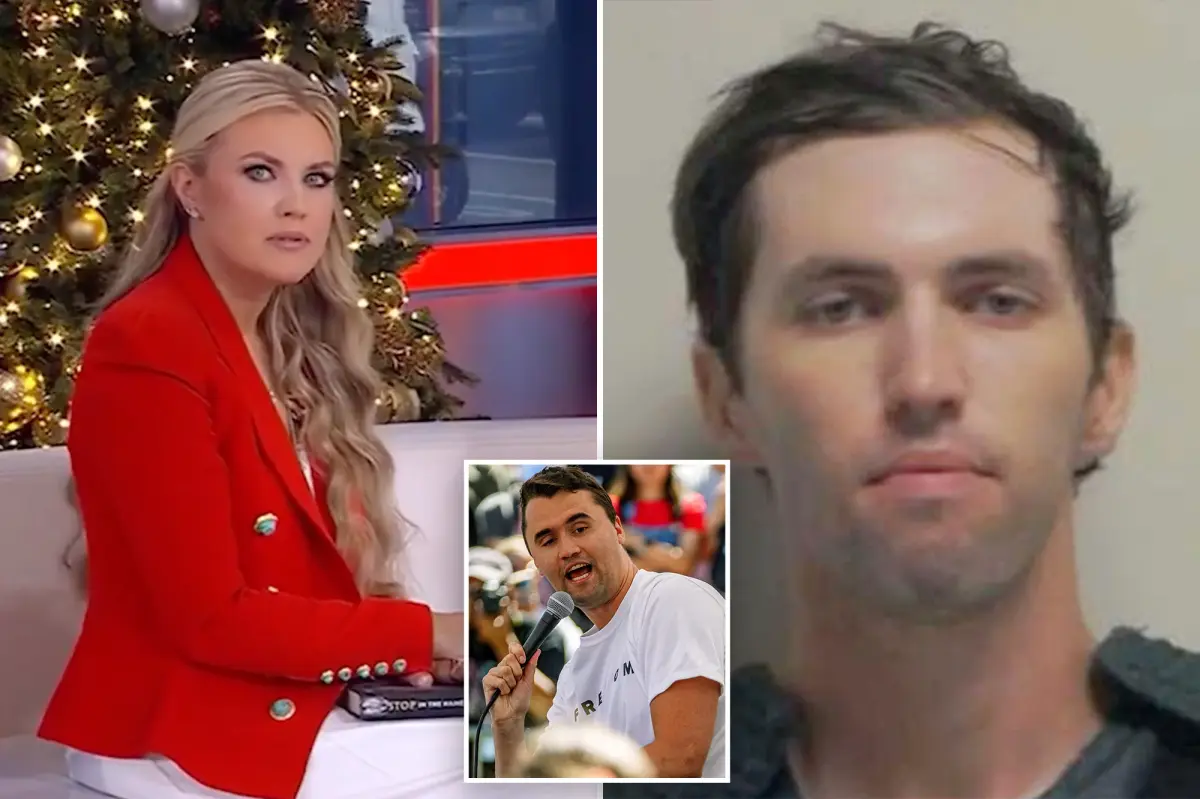
In the wake of the tragic shooting of conservative podcaster and Turning Point USA co-founder Charlie Kirk, a complex narrative has unfolded involving legal proceedings against the alleged assassin and a grieving widow fighting back against conspiracy theories. Tyler Robinson, the man accused of killing Kirk during an event at Utah Valley University, is scheduled to make his first in-person court appearance in Provo, Utah on Thursday—more than three months after the horrific incident that was captured on camera. This court appearance marks a significant development in the case as Robinson had previously only appeared virtually or through audio-only formats. He faces serious charges including aggravated murder, felony discharge of a firearm causing serious bodily injury, obstruction of justice, two counts of witness tampering, and commission of a violent offense in the presence of a child. As the legal proceedings move forward, the court is currently weighing restrictions on media access due to concerns about ensuring a fair trial, with Robinson’s legal team and the Utah County Sheriff’s Office requesting that cameras be banned from the courthouse.
Meanwhile, Charlie’s widow Erika Kirk, who has stepped into her late husband’s role as CEO of Turning Point USA, has been forced to confront an unexpected challenge in the midst of her grief—rampant conspiracy theories about her husband’s death and, strangely enough, about her jewelry. During an appearance on Fox News’ “Outnumbered,” Erika responded to these bizarre claims with a touch of sarcasm, displaying her ring-adorned hand to the camera and quipping, “At this point, it’s the conspiracy collection—get it before Christmas.” This moment highlighted the unusual position she finds herself in, having to defend herself against outlandish accusations while still mourning her husband. Several prominent right-wing figures, including Candace Owens, have promoted unfounded claims about Charlie’s death and raised questions about his high-profile funeral, creating additional stress for a family already dealing with an unimaginable loss.
The proliferation of these conspiracy theories has moved beyond mere speculation about the circumstances of Charlie’s death to personal attacks on Erika and those close to her. While acknowledging that people naturally seek answers following such a shocking event, Erika expressed outrage at how these theories have targeted her immediate family and colleagues. Her frustration was evident in her characterization of these conspiracy theories as “not OK” and “not healthy,” describing them as a “mind virus” that spreads harmful misinformation. This situation illustrates a troubling pattern in modern media where tragedy can quickly become fodder for unfounded speculation, making the grieving process even more difficult for those most directly affected.
The case itself represents a significant moment in American political discourse, as Charlie Kirk was a major figure in conservative activism and media. His death at a university event shocked supporters and opponents alike, regardless of political affiliation. The court proceedings against Robinson will be closely watched not only for their legal implications but also for what they reveal about the circumstances surrounding the shooting. As Robinson has not yet entered a plea, many questions remain unanswered about his motives and the events leading up to the incident. The judge’s decision regarding media access to the courthouse will balance the public’s right to information against concerns about pretrial publicity potentially influencing the jury pool.
For Erika Kirk, navigating this difficult period involves both personal grief and professional responsibility. Taking over leadership of Turning Point USA places her at the helm of a significant conservative organization during a contentious election year. This transition comes with its own challenges, now compounded by having to address conspiracy theories that distract from both her husband’s legacy and the organization’s work. Her public responses have shown a determination to confront these issues directly while continuing the work that was important to her husband. The situation highlights the particular challenges faced by public figures and their families in an era where social media can rapidly amplify speculative narratives, regardless of their basis in fact.
As this case progresses through the legal system and Erika continues to lead Turning Point USA, the intersection of personal tragedy, political activism, and the modern information ecosystem remains at the forefront. The court proceedings will eventually provide more concrete information about what happened on that tragic day, potentially addressing some of the questions that have given rise to conspiracy theories. However, the damage done by unfounded speculation cannot be easily undone. This case serves as a reminder of how grief can be complicated by public attention, especially when that attention includes harmful narratives targeting those who are already suffering. For now, both the legal process against Robinson and Erika Kirk’s efforts to protect her husband’s memory while carrying forward his work continue in parallel, each presenting their own challenges in the aftermath of a shocking act of violence.