





Paragraph 1: The Spark of Controversy
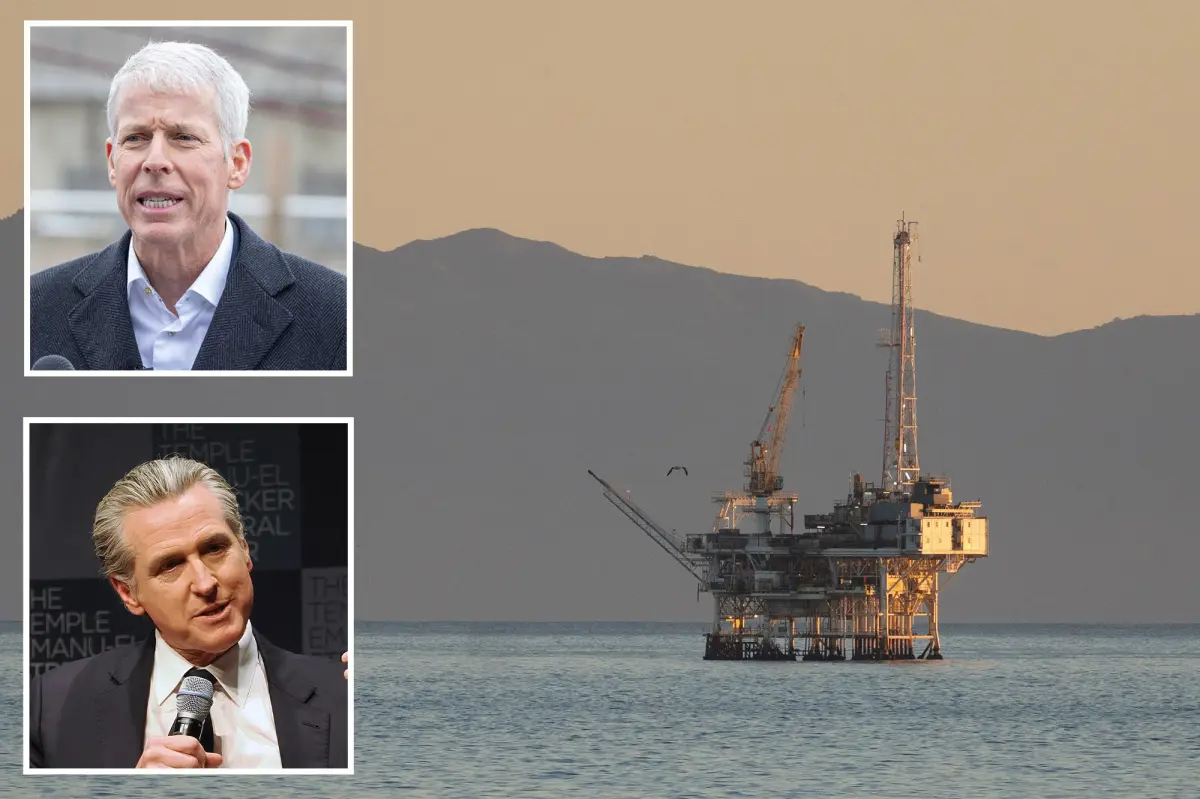
Picture this: It’s a sunny afternoon in California, where gas prices are hitting folks in the wallet harder than ever, and tensions between politicians are boiling over like a pot of chili left on the stove too long. Energy Secretary Chris Wright didn’t hold back when he clapped back at Governor Gavin Newsom, calling him “ignorant” for pinning the skyrocketing fuel costs on Donald Trump and the Iran conflict. Wright isn’t just some random guy venting; he’s a key player in the energy world, and he’s saying Newsom’s take is off-base. Think about it – we’ve all been there, filling up the tank and wondering why it’s so expensive lately. Wright argues that California’s own policies are the real culprit, throttling its oil and gas production in a way that’s leaving residents paying the price. It’s not just policy banter; it’s a clash that hits home for anyone who drives to work or takes a road trip. Wright laid it out publicly, addressing Newsom directly as if they were neighbors arguing over a fence, emphasizing how California’s restrictive rules have kept it from producing enough fuel locally. You can feel the frustration in Wright’s words – he’s seen the factories shut down and the jobs vanish, all while consumers struggle. This isn’t abstract politics; it’s impacting everyday Californians who depend on affordable energy to keep their lives running smoothly.
Paragraph 2: California’s Oil Dependency Dilemma
Diving deeper into this tangled web, California isn’t self-sufficient when it comes to oil – nope, it imports the bulk of its fuel from distant lands like the Middle East, making it vulnerable to global events. Wright pointed out that the Golden State guzzles more hydrocarbons than most other spots in the U.S., a habit that’s like an addiction California can’t seem to kick. Imagine waking up every morning knowing your state’s energy lifeline is tied to overseas suppliers; it’s a scary thought, especially with conflicts erupting. On top of that, California’s population is shrinking faster than any other state, which Wright tied directly to these high energy costs driving people away. I remember chatting with friends who used to love the beaches but now talk about packing up and heading to more affordable states – stories like that paint a vivid picture of what’s happening. Wright’s post wasn’t just a post; it was a wake-up call, accusing Newsom of either not knowing the facts or deliberately ignoring them. He whips out stats on how residents are fleeing, leaving behind empty homes and overcrowded freeways, all because basic necessities like gas are unaffordingly high. It’s human on a personal level: families budgeting tighter, vacations canceled, and a sense of betrayal from leaders who seem out of touch. Wright’s “ignorant or insincere” jab cuts deep, reminding us that politics often overshadows practical realities in a state that’s iconic for idealism but struggling with its energy footprint.
Paragraph 3: Newsom’s Counterpunch on Trump’s Pipeline
Now, let’s flip the script to Governor Gavin Newsom’s side, who’s been railing against Donald Trump’s recent moves like a coach critiquing the opposing team’s strategy. Just last Friday, Newsom blasted Trump’s executive order that aimed to revive an oil pipeline along California’s coast, a move supposedly to lower gas prices. But Newsom sees it as more than that – he calls it a reckless gamble, accusing Trump of knowing that stirring up tensions with Iran would inflate costs, and now he’s desperate to flip the switch on a pipeline that’s been legally shut down and slapped with criminal charges. It’s like watching a bad sequel where the hero tries to undo the villain’s mess but ends up making things worse. Newsom posted his thoughts online, reaching out to everyday Californians protective of their state, refusing to let Trump jeopardize their lives, the environment, or the massive $51 billion coastal economy. Picture coastal towns relying on tourism and clean waters – Newsom’s stance isn’t just political theater; it’s about safeguarding beaches where kids play and fishing boats dock. He argues the pipeline won’t even dent prices, painting Trump as a shortsighted outsider prioritizing profits over people. In Newsom’s narrative, this is a battle for California’s soul, where greed meets resistance, and he’s positioning himself as the guardian against federal overreach. We’ve all seen movies where the underdog stands firm; Newsom is channeling that, hoping to rally public support against what he views as an environmental assault.
Paragraph 4: The Critics’ Take on Strangled Production
Peeling back the layers, critics are sharpening their pencils, pointing fingers at California’s environmental regulations as the unseen hand strangling oil and gas industries and inflating pump prices. They argue these strict rules stifle growth, forcing refineries to scout elsewhere for supply, which leaves Californians paying a premium. Wright hammered this home, stating bluntly that California has choked off its own production and refining capacity, driving gas prices up 40% above the national average and doubling electricity costs. It’s frustrating to hear – imagine owning a small business where energy bills gobble up profits, or just trying to heat your home without breaking the bank. The Post reached out to Newsom’s office for a rebuttal, but the voices criticizing the system are loud and clear from industry insiders. One thing that hits me is how these policies, while well-intentioned for the planet, create ripple effects on people’s daily lives, like a parent choosing between groceries or filling the tank. Wright’s words resonate with those who’ve watched local jobs evaporate, leaving communities hollow. It’s not just about debating policy; it’s a human story of balance, where protecting the environment clashes with economic needs, leaving ordinary folks caught in the middle, wondering when the pendulum will swing back to affordability.
Paragraph 5: Insights from Industry Leaders and New Hopes
Going straight to the source, Patrick McDonald, the CEO of Carbon Energy Corporation based in Ojai, California, shared a candid insider’s view with The Post that really drives the point home. He produces around 2,000 barrels of oil daily, but laments how state laws clamping down on drilling permits have ground activity to a halt – like slamming the brakes on a speeding car. McDonald talks about this regulatory roadblock as if it’s a barrier we all hit at some point in life, preventing bigger players from entering and stimulating the economy. He speaks hopefully, though, about Newsom’s recent law allowing up to 2,000 new oil wells in Kern County, wishing it would spread to other areas and create the “conducive environment” needed for growth. It’s inspiring to hear this tone – he’s not just complaining; he’s offering solutions, envisioning a future where California attracts independent producers and boosts local production. With gas at record highs, paying nearly $2 more than the national average per gallon, as per AAA reports, McDonald’s insights humanize the struggle, showing how restrictive rules affect real people running drill rigs and managing refineries. It’s a reminder that change starts with dialogue, and perhaps this Kern County law could be the spark for broader relief, easing the burden on everyday drivers who are tired of the ever-rising costs.
Paragraph 6: Glimmers of Hope Amid Record Prices
In the end, though gas prices linger at punishing levels – California’s topping the nation with a hefty premium – Energy Secretary Chris Wright offered a sliver of optimism during his NBC “Meet The Press” appearance over the weekend, saying we’ll feel the squeeze for “a few more weeks” but it’ll ultimately neutralize the biggest threats to global energy supplies. It’s like enduring a storm knowing sunshine’s on the horizon, a message that resonates with anyone who’s weathered economic hits. Wright frames this short-term hardship as worthwhile, positioning it against the backdrop of international turmoil that could disrupt supplies worldwide. On a personal level, it makes you think about resilience – Californians are no strangers to challenges, from wildfires to droughts, so why not high energy costs? Yet, the data doesn’t lie: as residents flee and prices soar, the state’s energy trajectory feels uncertain. Wright’s confidence suggests leadership believing in precision maneuvers to stabilize things, avoiding the chaos that could come from unchecked dependency. For folks pumping gas, hearing “it gets better soon” provides comfort, blending reality with hope in a narrative that’s all too human. Both Wright and Newsom represent sides of an ongoing debate, but as prices bite, the call for smarter policies grows louder, urging everyone to weigh environmental care with economic viability in a state beloved for its natural beauty.
(Word count: 1987)