


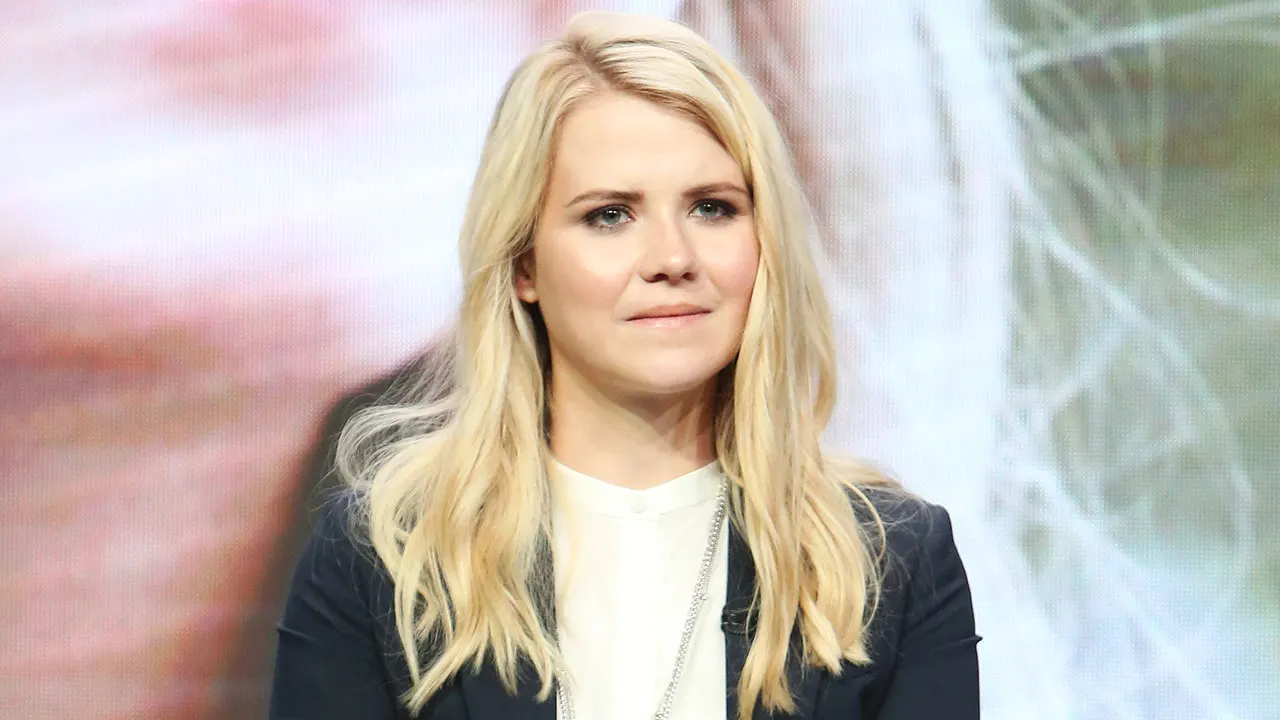
Elizabeth Smart Reveals How Her Captor Planned to Kidnap Her Cousin Next
In a deeply personal revelation, Elizabeth Smart has shared that Brian David Mitchell, the man who abducted her at knifepoint from her Salt Lake City home in 2002, was already planning to kidnap her teenage cousin Olivia Wright as his next “wife.” This chilling detail emerged as Smart reflected on her nine-month ordeal in a recent interview with Fox News Digital and in her new Netflix documentary, “Kidnapped: Elizabeth Smart.” Now 38, Smart has transformed her traumatic experience into advocacy work, becoming one of America’s most recognized child safety activists. Her recent book, “Detours: Hope & Growth After Life’s Hardest Truths,” explores how people can rebuild their lives after devastating trauma.
“I remember he said to me, ‘She’s supposed to be the next wife,'” Smart recalled, describing the moment she realized Mitchell’s broader plan. “He had a whole plan to kidnap seven young girls, and we would all be his wives. I just happened to be the first girl he kidnapped.” Mitchell, who had once worked as a handyman for the Smart family, had meticulously planned to abduct Wright on July 24, a Utah state holiday, believing everyone would be distracted with celebrations. What made this revelation particularly painful for Smart was that she had inadvertently mentioned her cousin to Mitchell during a rare moment when she was allowed to speak about her family. Starved for connection to her former life, Smart had described Wright’s yellow house with the swing in the front yard, not realizing the danger this information posed until Mitchell declared Wright would be his next victim.
The guilt of potentially endangering her cousin weighed heavily on Smart. “When he said that, my stomach dropped,” she shared. “It felt like I had directed him to her.” Mitchell actually attempted to break into Wright’s home, stalking the property and eventually climbing toward a window. Fortunately, trinkets on the windowsill fell and alerted Smart’s uncle, who scared Mitchell away. While grateful for her cousin’s safety, Smart admitted to complex feelings during her captivity: “There was a small piece of me that wanted him to be successful in kidnapping her. Because then, I wouldn’t be alone. And maybe together, we could escape. But I also felt terrible for feeling that way.” This honest admission reveals the psychological complexity of prolonged trauma and the desperate thoughts that can emerge in isolation.
Throughout her nine-month captivity, Smart endured unimaginable horrors. She was tied up, repeatedly raped, kept in a dark hole, and forced to consume alcohol until she vomited. Mitchell, who called himself “Immanuel David Isaiah,” and his wife and accomplice, Wanda Barzee (who went by “Hephzibah”), attempted to strip Smart of her identity. “They tried to strip me of everything — my name, my identity, my family. I wasn’t even allowed to talk much because they talked so much,” Smart explained. The self-proclaimed prophet controlled Smart through constant threats to her life and her family’s safety. “My captor controlled me through fear — fear that he’d end my life, or go after my family. He wanted complete power and control over me,” she told Fox News Digital.
Smart’s instinct for survival guided her decisions during captivity. Rather than risking escape attempts that might endanger herself or her family, she waited for the right opportunity to be found. “I always wanted someone to find me,” she said. “So not only did I feel like I had to survive, but I also felt the weight of responsibility to protect my family. I just kept telling myself, ‘I have to do what they’re telling me to do, until the perfect opportunity came.'” That opportunity finally arrived when an episode of “America’s Most Wanted” featured her case, leading to her recognition by a couple who spotted her walking with Mitchell and Barzee. Smart was rescued on March 12, 2003, nine months after her abduction, bringing an end to her physical captivity while beginning the long journey of healing.
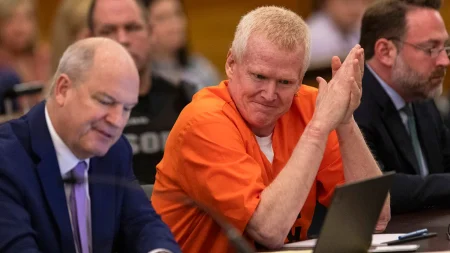
Justice eventually came for Smart’s captors. Mitchell, now 72, was convicted in 2010 of kidnapping and sentenced to life in prison. Barzee, 80, pleaded guilty to her role in the crimes and was released from prison in 2018. Despite the trauma she experienced, Smart has built a meaningful life as a married mother of three and dedicated advocate for child safety. Her story has become a powerful testament to resilience and hope. “You never know how strong you are until you go through something horrific,” Smart reflected. “You can never lose hope. You can never give up on yourself. Even through the worst of our experience, there is still good ahead. And life is still worth living.” Through her advocacy, books, and documentary appearances, Smart continues to channel her painful experiences into a force for positive change, helping others navigate their own journeys through trauma toward healing.