





Brown University Community Reels from Tragic Campus Shooting
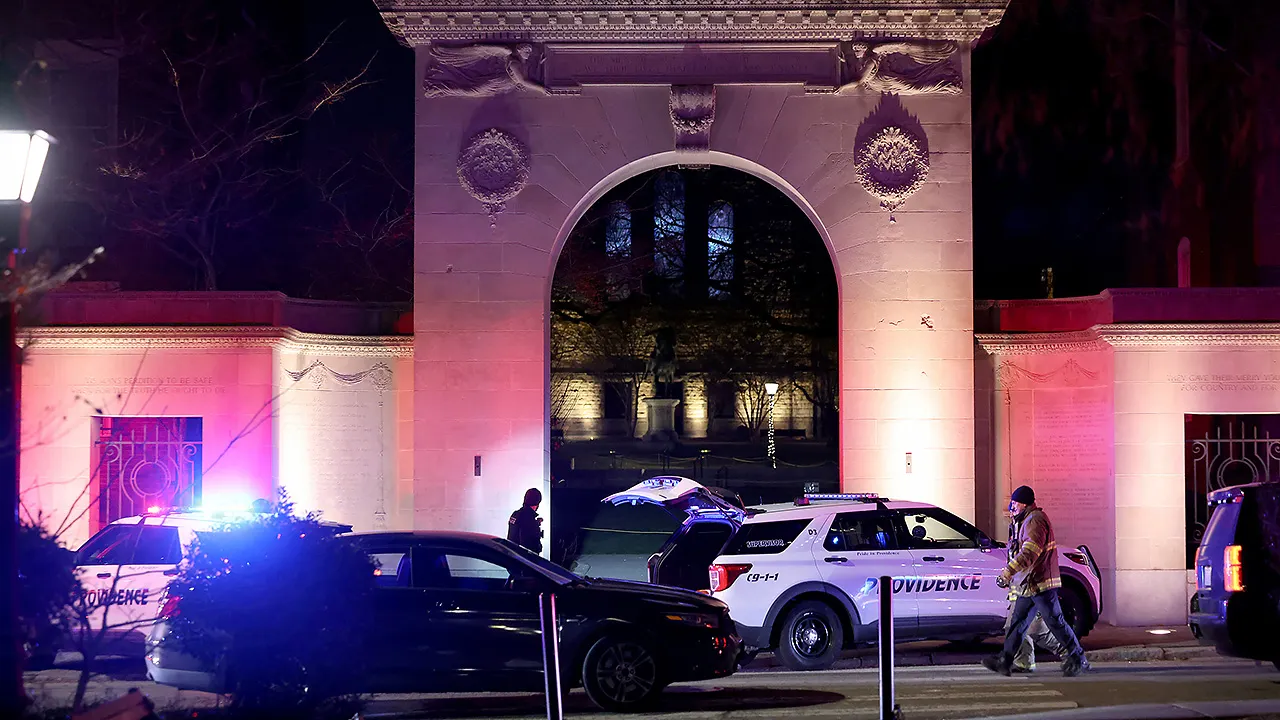
In a devastating turn of events during finals week, Brown University became the latest American campus to experience the horror of gun violence when a shooting at the Barus & Holley engineering and physics building left at least two people dead and eight others wounded on Saturday. The elite Rhode Island Ivy League institution, founded in 1764 and home to over 11,000 students and 5,500 employees, was thrown into chaos as authorities issued a shelter-in-place order and blocked off surrounding streets while searching for a male suspect who remained at large. This tragedy adds to a disturbing pattern of violence on college campuses nationwide, following recent shootings at Kentucky State University, Utah Valley University, and Florida State University—sobering reminders of the vulnerability of educational spaces that should be sanctuaries for learning and growth.
“This is a deeply tragic day for Brown, our families and our local community. There are truly no words that can express the deep sorrow we are feeling for the victims,” said Brown University President Christina H. Paxson in a heartfelt message to the campus community. Her statement captured the profound shock and grief resonating throughout the university, an institution with an $8 billion endowment that stands among the wealthiest and most prestigious in the country. “This is a day that we hoped never would come to our community. It is deeply devastating for all of us,” Paxson continued, expressing gratitude to law enforcement for their immediate response while urging everyone to prioritize safety—a plea that underscores how even the most revered academic institutions are not immune to the epidemic of gun violence that continues to plague American society.
The human toll of the tragedy extended beyond statistics as students found themselves in terrifying, unimaginable situations. One junior described being barricaded in a university building, calling 911, and waiting nearly two hours before police arrived. “They brought us down into a basement office space with a few hundred people and have been sweeping the building getting groups of people as they call 911 and inform them of their location,” the student recounted to Fox News Digital. “We’re hearing pretty daunting numbers, and people are all checking in on their friends.” This firsthand account reveals the psychological trauma inflicted on young people who, in pursuing their education at a prestigious institution, never expected to find themselves huddled in fear in a basement, desperately hoping for rescue while worried about the fate of their friends and classmates.
The ripple effects of the shooting extended beyond campus boundaries, affecting the broader community as Rhode Island Hospital went into lockdown while continuing to accept emergency department patients—a grim reminder of how campus violence creates widespread disruption and strain on local resources. President Donald Trump acknowledged being briefed on the situation, remarking, “What a terrible thing it is. All we can do right now is pray for the victims and for those that were very badly hurt, it looks like.” His comments reflect the now-familiar national pattern of official responses to mass shootings: expressions of sympathy and calls for prayer that, while sincere, have become ritualized responses to what many feel is a uniquely American crisis of gun violence that continues unabated despite recurring tragedies on school campuses across the country.
This shooting at Brown University represents more than just another incident in a troubling trend—it marks the violation of a space dedicated to intellectual pursuit and personal growth, a place where students and faculty should feel secure to explore ideas and build futures. The contrast between Brown’s storied history as a nonprofit research university founded over 250 years ago and the modern reality of active shooter protocols, emergency lockdowns, and terrified students hiding in basements could not be more stark. For the Brown community, the aftermath will involve not just physical recovery for the wounded and grieving for those lost, but also the difficult process of reclaiming their campus as a place of safety and scholarly endeavor rather than a site of trauma and fear.
As the investigation continues and the Brown community begins the long process of healing, this tragedy joins the growing list of campus shootings that have become distressingly familiar in American life. From Kentucky State University’s recent shooting that left one student dead and another critically injured to the assassination of conservative activist Charlie Kirk during a September event at Utah Valley University and the April incident at Florida State University that killed two people and wounded seven, these events collectively pose profound questions about campus security, gun access, and the societal factors that contribute to such violence. For Brown University—an institution that has survived and thrived through American history since before the Revolutionary War—this shooting represents perhaps its greatest contemporary challenge: maintaining its commitment to open intellectual exchange while providing genuine safety for its community in an era when educational institutions have become recurring targets of deadly violence.