






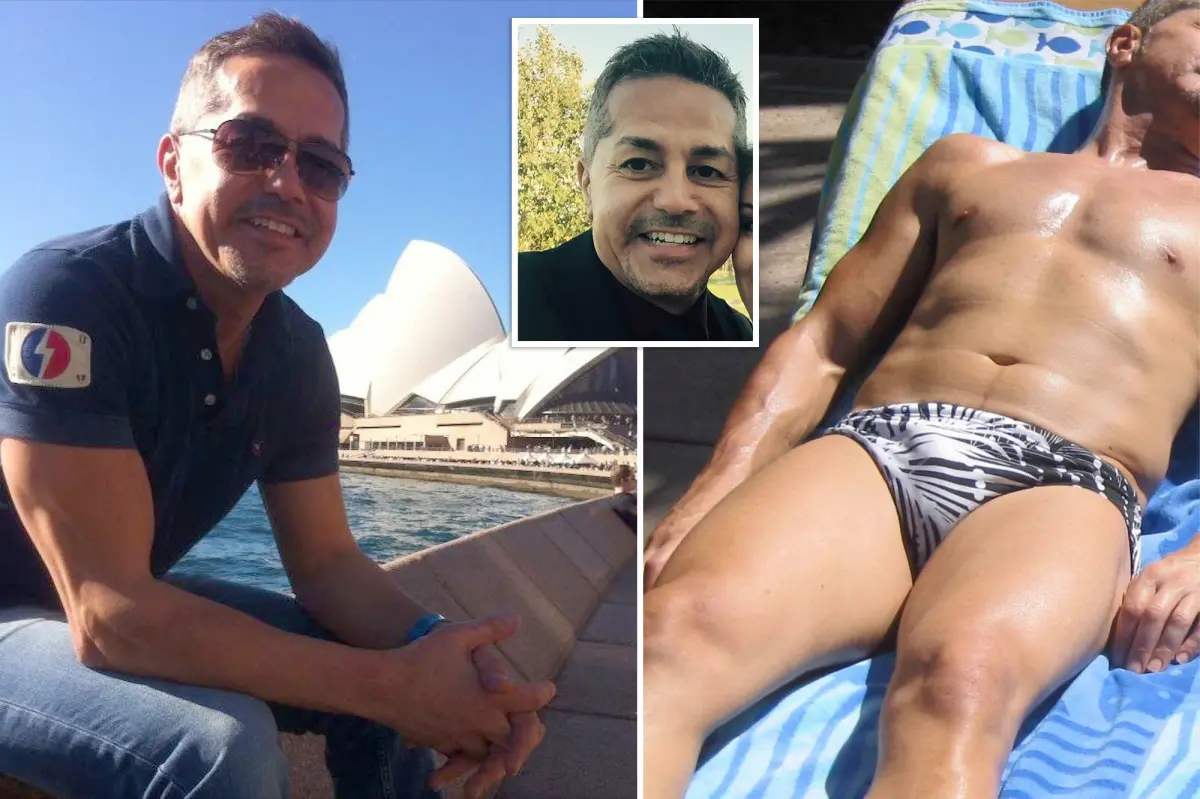
Piano Teacher Extradited from Australia to Face Justice for Crimes Against Student
A respected musical figure in the West Hollywood community has been brought back to face the consequences of his actions after attempting to flee justice. John Michael Kaleel, a 69-year-old piano instructor who taught for decades in Los Angeles, was extradited from Australia and arrived at LAX on Thursday, where Los Angeles County Sheriff’s deputies took him into custody. Kaleel had escaped the country in October 2023 while jurors were in the process of deliberating his case involving serious sexual abuse charges against a teenage student.
Kaleel’s flight represented a shocking fall from grace for someone who had built a reputation as a trusted music teacher in the community. For years, he had moved through Los Angeles musical circles with ease, counting the children of prominent Hollywood families among his clientele. His professional standing made the crimes and subsequent escape attempt all the more disturbing to those who had placed their trust in him as an educator. The conviction highlighted the devastating betrayal experienced by the victim and their family, who had trusted Kaleel in his position of authority and influence.
The international pursuit and capture of Kaleel required extensive cooperation between multiple agencies across different countries. The operation involved coordinated efforts from the US Department of Justice’s Office of International Affairs, the Australian Attorney-General’s Department, and the Australian Federal Police. After Australian authorities successfully detained the fugitive piano teacher, US Marshals accompanied him on the long journey back to the United States to face sentencing for his crimes. This level of international cooperation demonstrates the seriousness with which authorities treated these offenses against a minor.
Kaleel’s attempt to evade justice by fleeing to Australia shows the lengths to which he was willing to go to avoid accountability for his actions. Rather than accepting responsibility after the judicial process had nearly concluded, he chose to abandon his life in the United States and flee internationally while jurors were still deliberating. This desperate escape attempt came after what was likely a traumatic trial process for his victim, who had to relive their experiences through testimony and evidence presentation. The flight itself could be seen as a final act of disregard for the harm caused and the legal system designed to address it.
The case represents one of many situations where authority figures have abused their positions of trust to exploit vulnerable young people. Music instruction typically involves close one-on-one interaction, creating environments where boundaries can be violated if proper safeguards aren’t in place. Kaleel’s conviction serves as a sobering reminder for parents and institutions about the importance of vigilance and protective measures when placing children in situations with adults who have significant influence and unsupervised access. It also highlights the critical importance of believing and supporting young people who report inappropriate behavior.
Now that Kaleel has been returned to Los Angeles, he will face sentencing for the crimes a jury already determined he committed. While his attempt to flee delayed justice, it did not ultimately prevent it. For the victim and their family, the return and pending sentencing may provide some measure of closure to a traumatic chapter in their lives, though the effects of abuse often continue long after legal proceedings conclude. The case demonstrates that even when perpetrators attempt to use resources and international borders to evade consequences, justice systems can still function across those boundaries to hold offenders accountable for harm caused to vulnerable victims.