




El Chapo’s Son Pleads Guilty to Major Drug Trafficking Charges
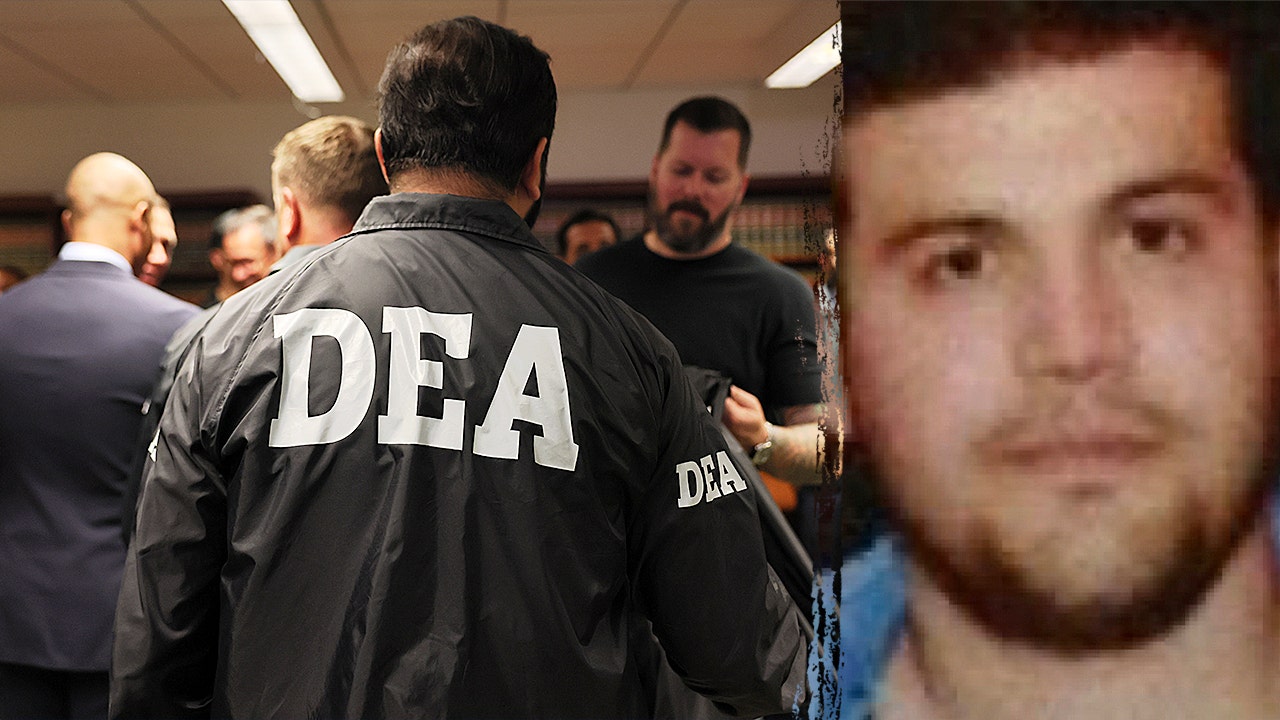
In a significant development in the ongoing battle against drug cartels, Joaquín Guzmán López, the 39-year-old son of notorious drug lord Joaquín “El Chapo” Guzmán, has pleaded guilty to serious drug trafficking charges in a Chicago federal court. Appearing in an orange jumpsuit before Judge Sharon Coleman, Guzmán López candidly admitted that “drug trafficking” was his occupation. His guilty plea includes charges of drug trafficking and continuing criminal enterprise, specifically acknowledging his role in overseeing the transport of narcotics to the United States, primarily through elaborate underground tunnel systems. This admission marks another chapter in the saga of the infamous Sinaloa cartel, which has continued to operate even after El Chapo’s 2019 conviction and life sentence.
The younger Guzmán is one of the so-called “Chapitos,” a group of brothers who assumed control of a major faction of the Sinaloa cartel following their father’s imprisonment. According to prosecutors, these brothers didn’t merely maintain the cartel’s operations but significantly expanded them, increasing both production and distribution of narcotics, with a particular focus on fentanyl. Under their leadership, the organization established a massive pipeline responsible for funneling tens of thousands of kilograms of drugs into American communities annually. This expansion has had devastating consequences across the United States, contributing to the ongoing opioid epidemic that has claimed countless lives and ravaged communities nationwide.
The plea deal reached between Guzmán López and federal prosecutors represents a strategic decision for both sides. For the defendant, the agreement allows him to avoid an automatic life sentence, though he still faces a mandatory minimum of ten years in prison and surrenders his right to appeal. For prosecutors, securing a guilty plea from such a high-ranking cartel member represents a significant victory in their efforts to dismantle the organization. Furthermore, prosecutors have indicated they might consider further reducing his sentence if he provides meaningful cooperation, potentially offering valuable intelligence about cartel operations, leadership structures, and distribution networks that could lead to additional arrests and disruptions of the drug trafficking network.
Guzmán López’s legal troubles began in July 2024 when he was arrested alongside Ismael “El Mayo” Zambada, a longtime cartel figure and one of the most wanted drug traffickers in the world. Their capture came under mysterious circumstances after they landed on a private jet in Texas, with subsequent revelations suggesting internal cartel conflict may have played a role in their apprehension. As part of his guilty plea, Guzmán López also admitted to participating in a violent kidnapping connected to cartel infighting. Prosecutors detailed how he ordered a window panel removed so armed men could storm a meeting, hood a victim (believed by some to be Zambada himself), drug him, and fly him to New Mexico. This admission sheds light on the brutal tactics employed within cartel power structures and the dangerous instability that can arise during leadership transitions.
This latest plea follows a similar agreement reached months earlier by Guzmán López’s brother, Ovidio Guzmán López, on trafficking and money-laundering charges. The sequential guilty pleas from two of El Chapo’s sons represent significant blows to the cartel’s leadership structure and may signal a weakening of the organization. However, history has shown that cartels often adapt and reorganize following leadership losses, with new figures emerging to fill power vacuums. The Sinaloa cartel, in particular, has demonstrated remarkable resilience over decades, surviving numerous leadership changes and continuing to operate as one of the world’s most powerful and dangerous criminal organizations despite sustained law enforcement pressure.
Meanwhile, El Chapo himself remains confined in a maximum-security U.S. prison, serving a life sentence without the possibility of parole for running what prosecutors described as a multibillion-dollar criminal enterprise. His downfall, followed now by the legal troubles facing his sons, represents the ongoing efforts of U.S. law enforcement to target cartel leadership structures. However, the continued operation of the Sinaloa cartel under new leadership illustrates the challenges facing those working to combat drug trafficking organizations. As Guzmán López awaits sentencing, questions remain about the future of the cartel, the potential for further arrests among its leadership, and whether these legal victories will translate into meaningful reductions in drug trafficking and the violence it brings to communities on both sides of the border.