





The Dawn of Autonomous Driving: A Close Call on Santa Monica Streets
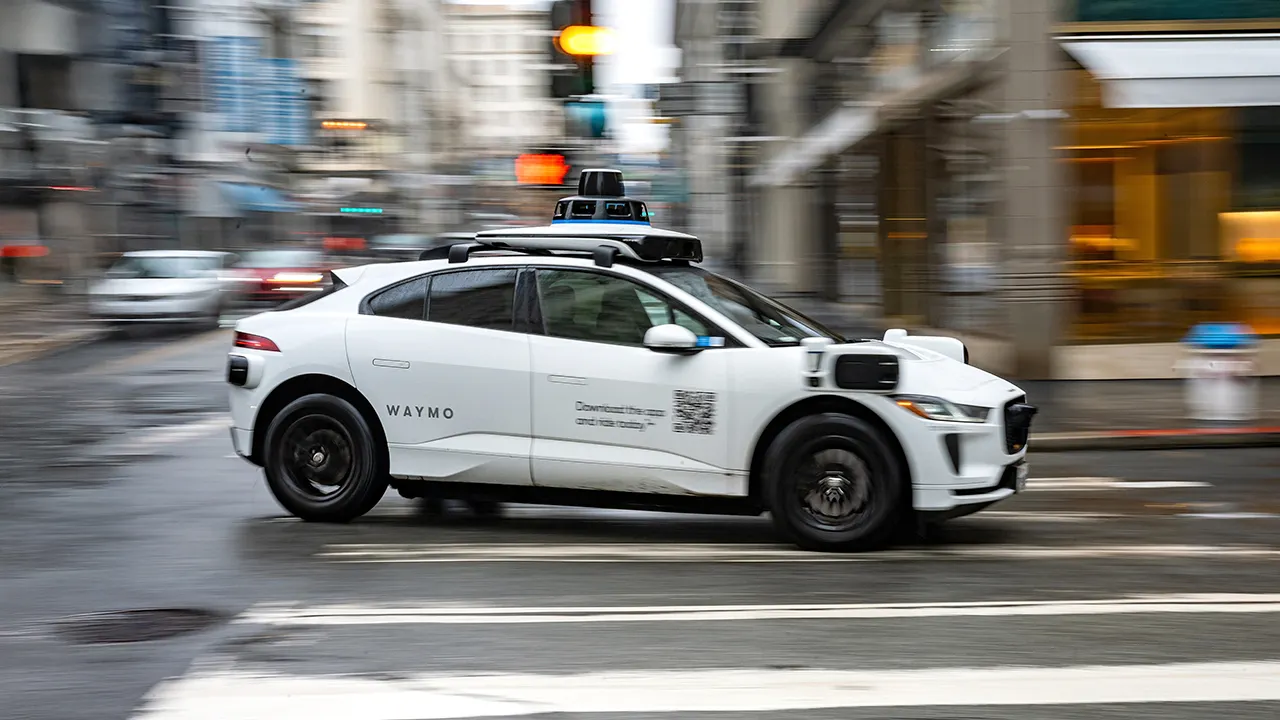
Imagine a bustling morning in Santa Monica, where the sun is just breaking over the coastline, and the air carries the faint scent of saltwater mixed with the hum of urban life. At Grant Elementary School, buses unload kids, parents chat in clusters under palm trees, and crossing guards dutifully wave their flashlights to guide young pedestrians across busy intersections like 24th Street and Pearl Street. It’s a scene that’s repeated millions of times daily in America, but on the morning of January 23, 2026, something novel and unsettling unfolded: an autonomous vehicle, one of those driverless wonders from Waymo—the Google-backed tech giant—gently collided with an unsuspecting student. The incident, as reported by the Santa Monica Police Department, was swift and low-key, resulting in no injuries, yet it sparked a whirlwind of discussions about the future of transportation, safety, and innovation. In a world increasingly reliant on artificial intelligence to navigate our roads, this event became a stark reminder that while technology strives for perfection, human unpredictability remains a wild card. I remember hearing about it through friends who live in the area; they described it as a minor bump, almost anticlimactic, but it underscored how our streets are becoming testing grounds for machines that promise to revolutionize mobility. Santa Monica, with its progressive vibe and proximity to Silicon Valley giants, has long been a hotspot for autonomous vehicle trials, allowing companies like Waymo, Uber, and Cruise to deploy their fleets. Residents here are used to seeing sleek robotaxis gliding silently along Wilshire Boulevard, often faster and more reliably than human-driven cars during rush hours. But this particular morning, near the elementary school, the technology was put to an unexpected test, highlighting both the advancements in AI detection and the challenges of real-world pedestrian behavior.
The Santa Monica Police Department released a straightforward statement to Fox News Digital, painting a picture of a routine response that turned into a cautionary tale. Officers arrived around 8:31 a.m., called to the collision site where an autonomous vehicle had contacted a student. The preliminary details revealed that the child had made a risky move: crossing the roadway outside the designated crosswalk and beyond the reach of the on-duty crossing guard. This wasn’t just an oversight; it was a moment of youthful impulsiveness that blended with the mechanical precision of the vehicle. Santa Monica, known for its walkable neighborhoods and sprawling parks like Palisades Park, encourages active lifestyles, but with that comes the inherent risks of shared spaces. The police noted it was a low-speed collision—no injuries reported, which was a huge relief. Fire department personnel from the Santa Monica Fire Department arrived promptly, checked the student out, and confirmed they were fine. The kid’s parent was there, probably having just dropped them off or waiting nearby, which added a layer of immediate reassurance. The officers conducted an on-scene investigation, standard procedure for traffic incidents involving advanced tech, and it’s still under review. Listening to news like this reminds me of how these events are becoming commonplace; Santa Monica has been a testing ground for years, with waivers allowing robotaxis since 2018. Critics and proponents alike weigh in: some argue these vehicles could prevent the 40,000 traffic deaths annually in the U.S., while others worry about liability and the erosion of human judgment. It’s fascinating how a simple statement from the police can ignite debates about ethics, regulation, and the balance between innovation and caution, especially near schools where safety is paramount.
Waymo, the independent subsidiary of Alphabet (Google’s parent company), jumped into the fray with their own detailed account, emphasizing transparency and technology’s role in mitigation. They issued a statement shortly after, voluntarily reaching out to the National Highway Traffic Safety Administration (NHTSA) on the same day, signaling their proactive stance. NHTSA, tasked with overseeing vehicle safety in the U.S., indicated they’d open an investigation, and Waymo pledged full cooperation—a professional move that builds trust in an industry plagued by skepticism. From Waymo’s perspective, the event unfolded dramatically: a pedestrian, the student, suddenly emerged from behind a tall SUV parked on the side, dashing directly into the robotaxi’s path. This is a classic scenario in urban settings, where obscured views and quick movements can create hazards. But here’s where autonomous tech shone: their advanced sensors and AI detected the person emerging almost instantly, triggering an emergency brake protocol. The vehicle, cruising at about 17 mph, slammed on the brakes, decelerating hard to under 6 mph before any contact. It’s the kind of instant decision-making that saves lives, and it got me thinking about how these machines process data in milliseconds—lidar, radar, cameras—all working in harmony to simulate human reflexes but with mathematical precision. Waymo’s response highlighted their commitment to safety, noting that post-collision, the student stood up right away, walked to the sidewalk unharmed, and that they promptly called 911. The vehicle stayed parked until cleared by law enforcement, another nod to programmed responsibility. This incident echoes past Waymo tests, where their vehicles have logged millions of miles without major mishaps, but it also raises questions about public spaces and how kids interact with smart machines.
Delving deeper into Waymo’s narrative, they brought up a compelling comparison that humanizes the raw data: their peer-reviewed model suggests that a fully attentive human driver in the same situation would likely have struck the pedestrian at around 14 mph. That speed reduction—from a potential high-impact 14 mph to a gentle under 6 mph—demonstrates the “material safety benefit” of the Waymo Driver system. It’s not just tech talk; it’s a quantifiable edge that could redefine road safety. Imagine a human behind the wheel, distracted by a phone or even just tired after a long day—their reaction times can’t match these algorithms optimized for optimal braking. Waymo engineers, many of whom are former Tesla or Bosch veterans, design systems like this to anticipate such variables, using simulations based on real-world data across diverse environments, from dense cityscapes like Santa Monica to winding rural roads. This event in 2026 comes at a time when autonomous vehicles are edging toward mainstream adoption; ride-sharing apps are integrating them, delivery services are testing fleets, and there’s buzz about trucking companies deploying self-driving semis for long hauls. Yet, incidents like this remind us that while technology advances, education on pedestrian safety remains crucial. In Santa Monica, schools teach kids about stranger danger and traffic rules, but now they must adapt to a world where vehicles anticipate danger invisibly. It’s a paradigm shift, and one I ponder while jogging near similar intersections—how do we prepare for a future where machines handle the driving, potentially reducing accidents by up to 90% as some studies claim, but still learning from human errors?
Broader implications ripple out from this one Santa Monica street, touching on everything from legal frameworks to societal shifts. The NHTSA investigation is crucial; it’s how the U.S. government ensures that autonomous vehicles meet rigorous standards, much like how the FAA regulates drones. If Waymo’s tech proves its worth here, it could grease the wheels for widespread deployment, potentially cutting down on the massive economic toll of traffic accidents—estimated at $340 billion yearly in the U.S. alone. But there’s the flip side: who bears responsibility if an AI misjudges? Cybersecurity threats, hacks, or even sensor failures in bad weather could turn these vehicles into liabilities. Santa Monica’s residents, a mix of tech enthusiasts, families, and skeptics, are vocal; local forums buzz with opinions— some hail it as progress, others demand more trials or bans near schools. Connecting this to larger trends, companies like Uber are rolling out their own driverless cars, positioning them as the next evolution of taxis. Autonomous trucks are being tested on highways, promising safer, efficient freight transport that could alleviate labor shortages. It’s all part of a tech renaissance, but events like this humanize the data: a kid’s close call becomes a story of resilience, both technological and human. As someone who drives defensively, I respect the potential, yet I question if society is ready to relinquish the wheel entirely. Innovations like active safety features in traditional cars (braking systems that detect obstacles) owe their origins to these autonomous pioneers, trickling down to make ordinary vehicles smarter. This incident, while benign, amplifies voices for stricter regulations, perhaps requiring more extensive testing or even “human in the loop” oversight in sensitive areas like school zones.
In wrapping up this tale from Santa Monica’s streets, it’s clear that while the collision left no physical scars, it left indelible marks on our evolving relationship with machines. The student walked away unharmed, 911 was called, and the autonomous vehicle complied perfectly with protocol—elements that, when viewed together, underscore the promise of safer roads ahead. Waymo’s swift actions and cooperation showcase a company’s maturity in the face of public scrutiny, transforming a potential PR disaster into an educational moment. As we stand on the cusp of an autonomous era, incidents like this encourage balance: celebrating tech’s strides while advocating for human awareness. Santa Monica, my old stomping ground, feels like a microcosm of this change, a city blending ocean breezes with cutting-edge innovation. Listeners tuning into Fox News for updates might hear more from NHTSA soon, but for now, this close call reminds us that the future of transportation isn’t just about code—it’s about people adapting to a smarter world. Perhaps in years to come, we’ll look back and marvel at these early hiccups, just as we do with the first automobiles’ safety pitfalls a century ago. It’s a journey, one low-speed bump at a time, toward a horizon where vehicles see, react, and protect like never before. Ultimately, human stories like this one keep us grounded, reminding us that technology, for all its brilliance, serves us—and must learn from every unexpected step we take into its path.