


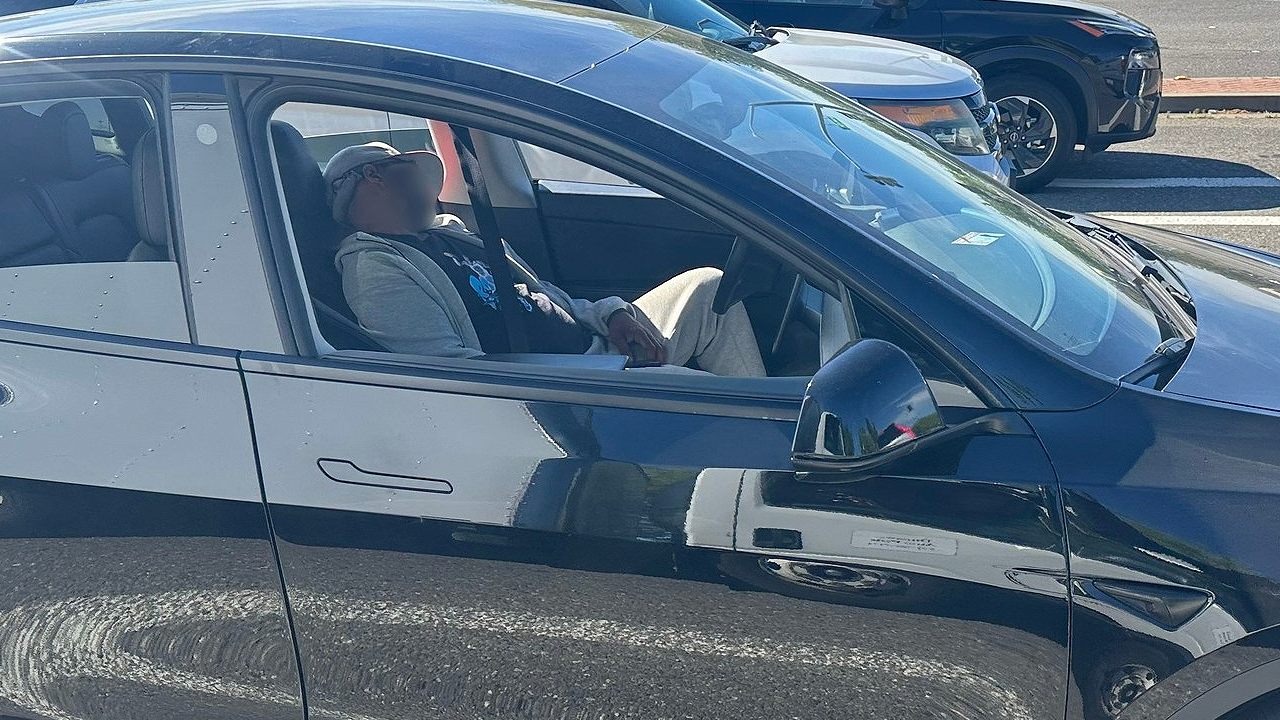
Imagine the ordinary hustle of a Wednesday morning in Vacaville, a quaint city nestled about 35 miles southwest of Sacramento, California. The sun is climbing higher, casting long shadows over the suburban streets where families are starting their day—kids headed to school, parents commuting to work, and the faint aroma of coffee lingering in the air. But around 11 a.m., an eerie disturbance shattered the routine calm. Amid the flow of traffic, a car moved forward on its own, its driver slumped lifelessly behind the wheel, eyes closed in a deep, oblivious stupor. It was no horror movie; this was real life, unfolding on Elmira Road and Shasta Drive. A sharp-eyed community member, perhaps a concerned neighbor or passerby just trying to live their life without disruption, spotted something terribly wrong. Heart pounding, they dialed 911, voice trembling as they described the man who looked utterly passed out. What made it even more chilling was that the vehicle wasn’t stopping—it kept rolling through bustling city streets, a silent sentinel amid honking horns and swerving cars. In that moment, the caller became the unsung hero, staying on the line with dispatchers, providing live updates like a human GPS, guiding police through the chaos to intercept the rogue car and bring it to a safe halt. It’s a reminder of how one person’s vigilance can ripple outward, preventing catastrophe in the blink of an eye, and making you wonder: what if that had been you calling in, feeling the weight of responsibility as innocent lives hung in the balance?
As the police cruiser closed in, officers must have felt a mix of urgency and disbelief. They approached the vehicle, which had finally come to a stop, and peered through the windows. There he was—the driver, a man from Northern California, leaning back against his seat as if napping through a Sunday afternoon, completely unaware of the world zipping by. His posture screamed exhaustion, perhaps from a late night or a series of bad decisions piling up. But the car? It was cruising along, thanks to those fancy self-driving features that newer models boast, designed to assist but never to replace human judgment. The officers, seasoned and steady, knew that assistive tech like that—equipped to handle some steering or alertness cues—was meant for convenience, not for handling impaired drivers. They unsealed the scene, heart rates likely spiking as they imagined the worst: What if the car had veered off course into a school zone or collided with another vehicle full of unsuspecting commuters? The caller, still on the phone, breathed sighs of relief as the danger subsided. Recalling similar tales of distracted or intoxicated driving, it makes you feel grateful for technology’s advancements, yet wary—it’s like having a childproof lock on a loaded gun. The human element, of empathy and quick action from the caller, turned a potential tragedy into a stern lesson, highlighting how community ties can mend the fraying edges of modern risks.
Stepping inside the car felt like entering a time capsule of poor choices. Photos released by the Vacaville Police Department painted a vivid, if sobering, picture: the driver inert, his body slack against the seat, while scattered around him were the telltale signs of indulgence. An open box of wine sat on the passenger seat, its contents half-gone, paired with a partially consumed bottle that whispered stories of one glass leading to another, perhaps over dinner or a quiet evening at home that spiraled. Takeout food wrappers crinkled underfoot, remnants of a meal hastily grabbed, and other loose items littered the floor, as if the car itself had vomited forth the remnants of a reckless night. It wasn’t hard for investigators to connect the dots; the stench of marijuana mingled with the air, and quick tests confirmed what the scene suggested—he was under the influence of both alcohol and marijuana, his judgment clouded by substances that dulled his senses and erased his awareness. The arrest for suspicion of DUI followed swiftly, the click of handcuffs echoing like a final bell in a cautionary tale. In that cluttered cabin, you could almost hear the echoes of his personal struggles—loneliness after a breakup, stress from a dead-end job, or simply the temptation of escape through a drink or a toke. It humanizes the incident, turning a faceless offender into someone with motivations, perhaps relatable, though unforgivable when they endanger others. Society often judges harshly, but it’s worth pausing to reflect on the slippery slope of addiction or momentary lapses, and how they can turn ordinary people into unwitting menaces on the road.
Social media erupted like wildfire, echoing the public’s visceral reactions and transforming the story into a digital conversation that bridged anonymity with raw emotion. Comments flooded in, a mix of shock, humor, and praise, as users dissected the images like armchair investigators. One witty observer quipped, “That time when his vehicle had more situational awareness than he did,” tapping into the irony of human frailty versus machine precision, and evoking chuckles that masked deeper unease. It highlighted our collective fascination with tech gone awry, where a self-driving car outwits its owner, reminding us of tales like sci-fi novels coming to life in the real world. Others, with a more earnest tone, hailed the bravery of the anonymous caller who kept their cool and guided authorities to safety, sharing sentiments like, “Glad no one was hurt. Great job of getting this guy off the road.” These words carried warmth and gratitude, painting pictures of relieved families imagining the chaos averted—a child spared from a vehicular nightmare, a parent avoiding a heartbreaking call from school. Yet, beneath the positivity simmered frustration; posts questioned the driver’s sense of responsibility, wondering aloud if he thought automated features excused reckless behavior. It’s a microcosm of online discourse, where empathy for heroes clashes with outrage at the careless, fostering a human connection that transcends screens. In reading these interactions, you feel the pulse of community, a virtual pat on the back that affirms vigilance pays off, and perhaps inspires others to act in similar crises.
The Vacaville Police Department, ever the voice of reason, waded into the fray with a gentle yet firm reminder that cut through the headlines like a parent’s cautionary tale. They emphasized that while modern vehicles brim with assistive driving technologies—features meant to aid in navigation, alert drowsiness, or even prevent lane drifting—these marvels of engineering are no panacea for intoxicated or inattentive drivers. It’s not a plot twist from a dystopian future; it’s a grounded truth rooted in everyday safety. Officers reflected on their own experiences, dealing with the aftermath of impaired driving daily, from fender benders to fatal collisions. They painted a picture of what drove this arrest: a man whose personal indulgences caused a momentary lapse that could have cost lives, underscoring how reliance on tech doesn’t absolve human accountability. By sharing these insights, the department invited reflection—imagining the driver’s internal monologue, perhaps rationalizing his actions with “It’s just a short drive home,” or the caller’s pang of guilt if they hadn’t intervened. It humanizes the narrative further, turning statistics into stories of ordinary folks at crossroads, where a single choice can ripple into broader implications. Spring break hotspots elsewhere were making headlines too, with erupting fights and drug sweeps, but this Vacaville vignette served as a quiet wake-up call: tech aids, but it doesn’t think, feel, or morally anchor. For commuters and families, it’s a nudge to stay vigilant, perhaps sipping coffee instead of wine before hitting the road.
In the end, the incident wrapped up with a powerful epilogue from those who handled it, leaving a lasting imprint on us all. The police lauded the caller not just for their alertness but for embodying the spirit of communal guardianship that keeps cities humming peacefully. Stepheny Price, the reporter chronicling crime stories from homicides to migrant challenges, noted how these moments of heroism stand out amid the gloom, sending tips to readers hungry for justice. Yet, as the arrest fades into reports, it lingers in our minds like a cautionary whisper—what if every driver treated their vehicle as an extension of themselves, sober and aware? The self-driving revolution promises freedom, yet this case reveals its pitfalls, blending innovation with irreducible human fallibility. It’s a story that tugs at heartstrings, from the driver’s unseen regrets to the caller’s quiet courage, reminding us that in an age of automation, the most crucial driver is still our conscience. Lives intertwine on these roads, and incidents like this forge empathy, urging each of us to embrace responsibility lest we become the cautionary tale ourselves. Getting breaking news by email or following on X keeps us informed, but real change starts with everyday mindfulness—a human touch in a mechanical world. As Vacaville returns to normal, this episode echoes, humanizing the machines we depend on and the people in their shadows.