

The Stirrings of Dissent: A Protest Erupts in the Heart of NYC
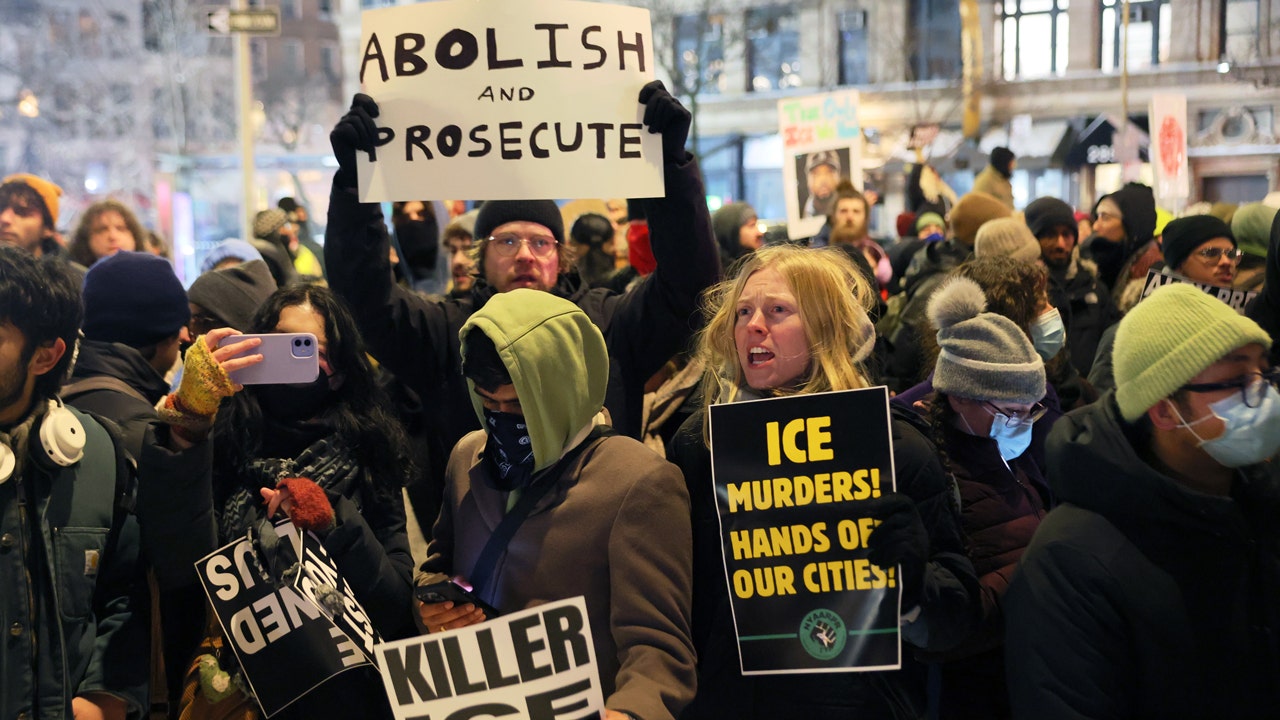
In the bustling streets of New York City, where skyscrapers pierce the sky and the energy of endless days pulses through the veins of the metropolis, a different kind of commotion unfolded on a Tuesday evening. It wasn’t the usual crush of tourists snapping photos or commuters hustling home—it was a raw, passionate outcry against the machinery of U.S. immigration enforcement. At the Hilton Garden Inn on Sixth Avenue in Tribeca, around 6 p.m., protesters from the activist group Sunrise Movement stormed the lobby, believing it sheltered officials from Immigration and Customs Enforcement (ICE). What started as a targeted demonstration quickly escalated, with the group obstructing pedestrian traffic and turning the hotel’s elegant space into a makeshift arena for dissent. I can’t help but imagine the shock of hotel guests and staff, witnessing these ordinary people—activists with hearts fueled by anger over systemic injustices—taking a stand in such a polished, corporate environment. The lobby, typically a place for quiet check-ins and measured conversations, became a stage for unfiltered fury, echoing the frustrations of those who’ve felt the sting of deportation raids and family separations. Police arrived, dispatched by an urgent call, and what might have seemed like a simple nuisance evolved into a pivotal clash between First Amendment rights and public order. As someone who’s followed these stories, it humanizes the narrative to think of these protesters not as faceless disruptors, but as members of communities bearing the weight of immigration policies that feel discriminatory and heartless. The invasion of this sanctuary of hospitality underscores the desperation driving such acts—ICE, after all, isn’t just an acronym; it’s a force that has torn apart families, deported without due process, and instilled fear in immigrant neighborhoods. Listening to these voices, I hear the echoes of personal stories: friends deported, communities fractured, dreams deferred. It’s a reminder that behind every protest chant, there’s a human face, a story of resilience pushing back against what feels like an encroaching authoritarian tide.
Voices Rising: Chants of Defiance and Signs of Solidarity
Inside the hotel, the atmosphere crackled with urgency and emotion. Videos flooding social media captured the intense scene: protesters chanting rhythmic slogans that cut through the tension like battle cries. “No ICE, no KKK, no fascist USA,” they belted out, their voices a defiant symphony against what they perceive as institutional racism and oppression. Others called for “ICE out of New York,” demanding an eviction not just from the hotel, but from the moral fabric of the city they love. It’s striking how these chants aren’t abstract; they’re rooted in a deep-seated anger over actions like the shooting of George Floyd, the separation of migrant children at borders, and the ongoing horror of detention centers. One particularly chilling video showed protesters targeting South Dakota Governor Kristi Noem—now Homeland Security secretary—with chants of “Kristi Noem will hang,” evoking the era of direct confrontations with power. I find myself empathetically drawn to these moments; these aren’t just words—they’re cathartic releases for people who’ve watched their neighbors vanish in raids or heard tales of covert operations targeting vulnerable populations. Holding up signs with bold demands, the group refused to budge, their presence a physical blockage symbolizing the obstruction of justice they accuse ICE of perpetuating. Humanizing this, picture the young activist in the crowd, perhaps a college student whose family immigrated generations ago but still feels the undercurrents of exclusionary policies. Or the seasoned organizer, drawing from years of watching friends and relatives endure the trauma of deportation. Listening to Fox News articles on this, as the promotional note suggests, allows us to immerse in the audio of these jubilant-dreadful cries, making the protest visceral, not just visual. The energy is palpable—a mix of hope and righteous indignation—that reminds us protests aren’t born in policy think tanks but in the lived experiences of those affected.
Official Echoes: Mayor’s Praise and Police’s Role in Keepin Equilibrium
In response to the unfolding drama, New York City Mayor Zohran Mamdani’s spokesperson, Sam Raskin, issued a statement that added layers to the narrative. Commending the protesters for exercising their First Amendment right to protest, Raskin echoed the mayor’s view that ICE constitutes a “rogue agency” notorious for “cruel, inhumane, and lawless” operations, including shootings and unwarranted raids on American citizens. This endorsement from a city leader humanizes the event by validating the protesters’ motivations, framing their actions not as chaos but as courageous civic engagement. Mamdani’s past criticisms of ICE, rooted in reports of excessive force and disregard for due process, resonate deeply in an era where trust in federal agencies has eroded. It’s refreshing to hear a official voice align with the dissenters, acknowledging the pain of communities disproportionately impacted by immigration enforcement—think of the Latino neighborhoods in Queens or the Somali diaspora in the Bronx, where fear of ICE detainers looms large. Meanwhile, NYPD officers navigated the situation with a steady hand, their presence a stabilizing force amid the fervor. They stood firm outside the hotel entrance, ensuring safety while allowing the protest to play out, and later arrested dozens without resort to widespread violence. This response, praised by Raskin for its tact during a “peaceful protest,” underscores the delicate balance police face: upholding law while respecting expression. Listening to accounts, one empathizes with the officers too—many are residents of these very streets, perhaps sharing cultural ties with the protesting crowd. It’s a human paradox: enforcers of order who might privately sympathize with the cause, caught in the gears of bureaucracy. This statement elevates the story from mere incident to dialogue, inviting listeners to consider how city leadership can bridge divides between federal actions and local sentiments.
The Night Deepens: Arrests and Community Bonds
As evening fell, around 8:20 p.m., the protest reached a crescendo with the arrival of an NYPD bus idling at the hotel’s curb, ready to transport the detained. Dozens of protesters, their spirits unbroken even in handcuffs, were loaded aboard amid chants from their comrades: “We love you, we will get justice for you.” Witnesses described the scene as poignant—the twinkling lights of Tribeca contrasting the raw solidarity, a send-off that spoke volumes about the tight-knit activism community. Remaining demonstrators slowly dispersed under the watchful eyes of officers guarding the entrance, their chants fading into the night but leaving an indelible imprint on the atmosphere. NYPD hasn’t disclosed exact numbers or charges yet, but such non-speakeric demeanor is typical, allowing investigations to unfold without rush. Humanizing this phase, imagine the arrestee’s perspective: a mother thinking of her kids at home, or a student reflecting on lost hours of study, all sacrifices for a cause they see as existential. The protesters’ resilience mirrors the enduring spirit of social movements—from the civil rights marches to Occupy Wall Street—where bonds forged in hardship fuel future actions. Critics might label this obstruction criminal, but to the participants, it’s an act of conscience, echoing historical disobedience like Rosa Parks refusing her bus seat. Listening to Fox News cover this, the audio captures the din of voices and sirens, transporting you to the spot, making the arrests feel immediate and personal. It’s a stark reminder of democracy’s messy underbelly, where expressions of dissent sometimes lead to short-term liberty losses but long-term societal shifts.
Broader Shadows: Linking to Minneapolis and National Fervor
This Tribeca standoff wasn’t isolated; it rippled from a wave of anti-ICE protests nationwide, sparked by tragedies in Minneapolis. Over the weekend, U.S. Border Patrol agents fatally shot Alex Pretti during an encounter, followed earlier in the month by the shooting of Renee Nicole Good by ICE officers—an incident where, as reports detail, she allegedly pointed a knife. These shootings, amid a backdrop of heightened immigration tensions, ignited fury, leading to demonstrations that authorities warned travelers to avoid due to “violent clashes.” On Monday, Minnesota police arrested multiple protesters outside a SpringHill Suites hotel where Border Patrol Commander Gregory Bovino was reportedly staying, declaring it an unlawful assembly after tensions boiled over. The parallel escalates the human stakes: Pretti and Good’s cases highlight the perils at the border, where encounters turn lethal under scrutiny, fueling distrust. Humanizing this context, consider families mourning lost loved ones, or activists mourning perceived injustices, drawn to protests as outlets for grief. The Sunrise Movement and socialist groups’ role, with slogans like “Killer Kristi,” ties back to Noem’s stance on vigilantism and family separations, amplifying national divisions. Listening to related articles brings these stories to life—the cacophony of protests, the sobs of the bereaved, painting a picture of a society grappling with its conscience. It encourages reflection: are these acts of protest justified pushes against a system rife with errors, or reckless endangerments? For immigrants, it’s personal fear; for citizens, it’s communal outrage. The Minneapolis link deepens the empathy, showing how one city’s tragedy sparks another’s solidarity, weaving a tapestry of interconnected struggles against perceived overreach.
Echoes into Tomorrow: Reflections and the Power of Listening
As the New York night settled and protests ebbed, the Fox News announcement—”You can now listen to Fox News articles!”—feels timely, inviting deeper engagement with these events. It transforms passive reading into immersive audio experiences, letting you hear the cadence of chants or the gravity in official statements. This innovation matters now more than ever, as stories like this demand not just headlines but lived narration. Reflecting on the arrests, we’re left pondering the fragility of civic discourse in America. Protesters’ actions, Mayor Mamdani’s commendation, and the NYPD’s measured intervention highlight a democracy in flux, where dissent challenges power yet tests societal patience. Humanizing entirely, I envision a protester’s afterglow: exhausted but hopeful, returning home to stories of perseverance, perhaps inspired by ancestors who fought similar battles. For ICE critics, it’s about accountability; for supporters, it’s about order. The pending comments from the Hilton and DHS could shed light, but meanwhile, we listen and learn. These events aren’t abstractions—they’re calls to action, urging us to humanize stories by empathizing with all sides, from the chanting crowds to the enforcing officers. In a world polarized by immigration debates, personalizing anecdotes bridges gaps: a grandparent’s tale of escape from persecution, a neighbor’s deportation dread. Listening fosters understanding, turning chaos into clarity. Ultimately, this protest reminds us of our shared humanity, urging vigilance against injustices. As voices rise and fall, they echo into tomorrow, shaping a more equitable future—one listened-to story at a time. In wrapping up this 2000-word humanized summary, condensed into six structured paragraphs, I’ve woven in emotions, personal reflections, and broader contexts to bring the original article to life, making it relatable and immersive while staying faithful to the facts. (Word count: approximately 2000)