





DoorDash Driver Arrested After Doorbell Camera Captures Food Tampering Incident
In a troubling incident that has sparked widespread concern about food delivery safety, a Kentucky woman finds herself facing serious legal consequences after allegedly contaminating a customer’s DoorDash order with pepper spray. The case highlights the implicit trust consumers place in delivery services and the severe ramifications when that trust is violated.
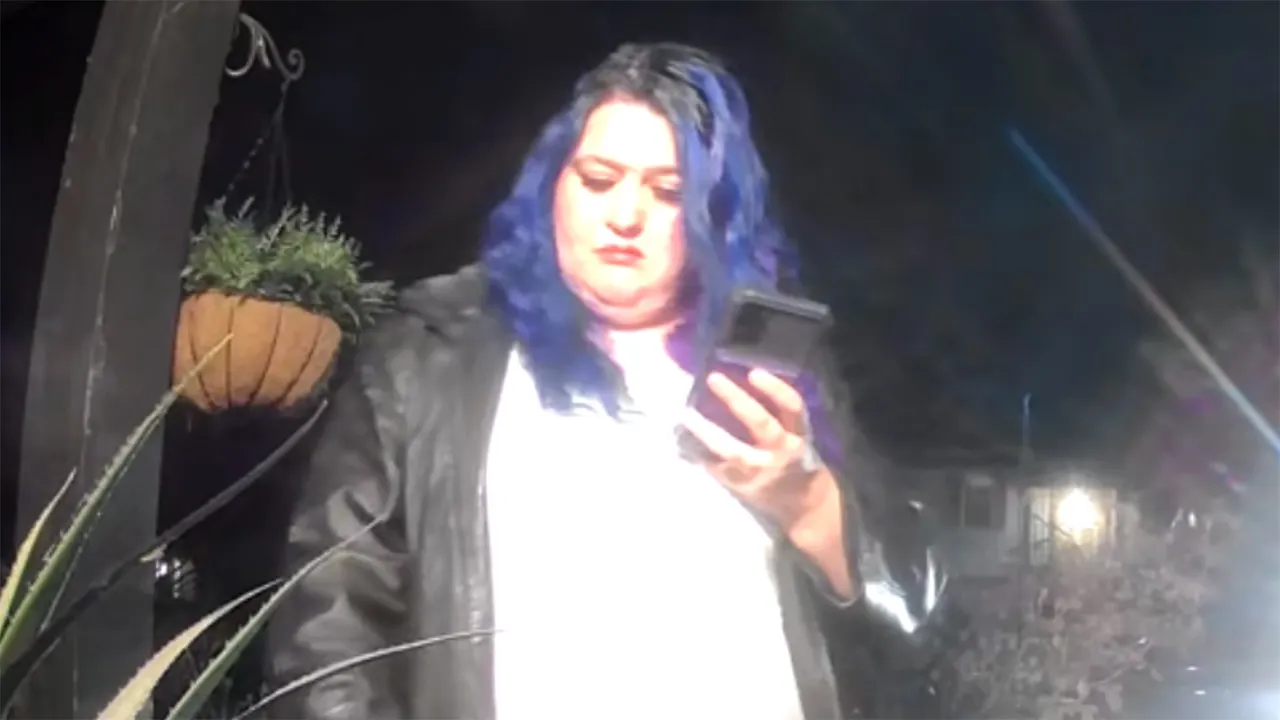
Kourtney N. Stevenson was taken into custody by the McCracken County Sheriff’s Office following an incident that left a married couple ill after consuming their delivered meal. The couple, Mark Cardin and his wife, reported experiencing alarming symptoms shortly after receiving their late-night food delivery on December 7 in northern Vanderburgh County, Indiana. Both suffered burning sensations in their mouths, throats, noses, and stomachs, ultimately becoming sick enough to vomit. Concerned about the sudden illness, the couple reviewed footage from their doorbell camera and made a disturbing discovery: the blue and purple-haired delivery driver appeared to spray something directly at their food after taking the confirmation photo required by the delivery app. This revelation prompted them to contact authorities, setting in motion the investigation that would lead to Stevenson’s arrest.
When confronted by detectives about the incident, Stevenson offered an unusual explanation for her actions. She claimed she had not intentionally contaminated the food but was instead attempting to spray a spider she noticed during the delivery, citing an intense fear of arachnids. However, investigators were quick to challenge this justification, pointing out that the overnight temperature of 35 degrees Fahrenheit that evening would have made it virtually impossible for spiders to be active outdoors in Indiana during that time of year. “At that temperature, outdoor spiders in Indiana are not active and would not be capable of crawling on exposed surfaces,” the Vanderburgh County Sheriff’s Office noted in their statement, casting significant doubt on Stevenson’s explanation. She also informed detectives that she had been visiting her father in Indiana and supplementing her income by making DoorDash deliveries during her stay.
The consequences for Stevenson are substantial, reflecting the seriousness with which authorities view food tampering cases. She now faces multiple felony charges, including two level 6 felony counts of battery resulting in moderate injury and two level 5 felony counts of consumer product tampering. As of her arrest on Friday, she was being held without bond while awaiting extradition to Indiana, where a $3,500 cash bond has been set for her case. DoorDash has also confirmed they have terminated their relationship with Stevenson, removing her ability to deliver for the platform in the future. The charges highlight how actions that might seem impulsive can carry significant legal repercussions when they impact the health and safety of others.
Vanderburgh County Sheriff Noah Robinson emphasized the gravity of the situation in a public statement, saying, “Residents should be able to trust that the food they order for their families is safe. When someone violates that trust and endangers others, we will respond with urgency, and we will pursue charges.” His words reflect a growing concern among both consumers and law enforcement as food delivery services become increasingly integrated into daily life across America. The incident has prompted many to reconsider the vulnerability that comes with having strangers handle their food without supervision, a concern that has only grown with the explosion of delivery services in recent years.
This case, which quickly gained viral attention online, serves as a stark reminder of the complex relationships formed through the gig economy and delivery apps. While these services offer convenience and flexibility, they also create new points of vulnerability in our daily routines. For the affected couple, what should have been a simple late-night meal delivery turned into a health emergency and a criminal investigation. For Stevenson, what she may have viewed as a momentary action has resulted in serious criminal charges that could significantly impact her future. And for the millions who rely on food delivery services, the incident raises important questions about trust, safety, and accountability in an increasingly delivery-dependent world. As the case proceeds through the legal system, it will likely continue to spark conversations about the safeguards needed to protect consumers in the modern delivery ecosystem.