






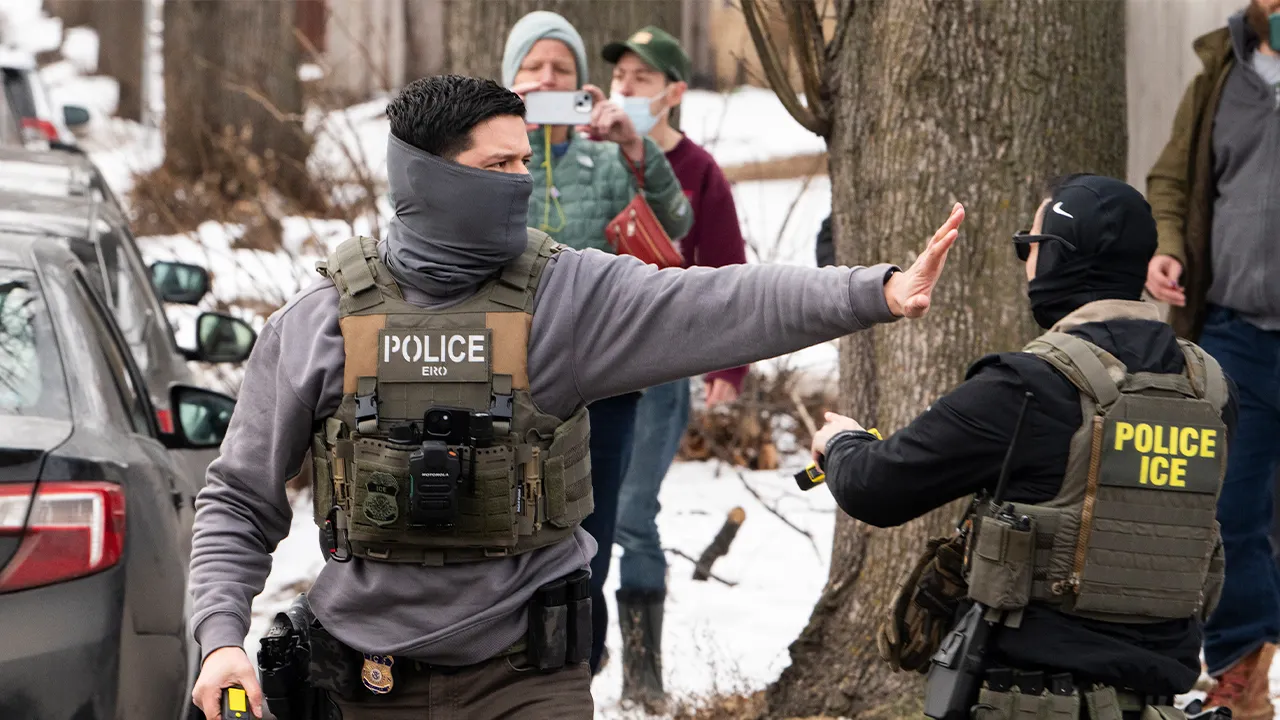
In the quiet suburbs of Minnesota, on a chilly January day, Alberto Castaneda-Mondragon, a 31-year-old man from Mexico, found himself in a terrifying confrontation with immigration authorities. He’d crossed the border seeking a better life for himself and his family, but life had taken a complicated turn. As he sat in a car with a friend outside a St. Paul shopping center, officers from U.S. Immigration and Customs Enforcement (ICE) pulled them over during what the Department of Homeland Security later termed a routine operation. What happened next spiraled into a nightmare for Alberto, filled with fear, confusion, and accusations of brutality that he says left him forever changed.
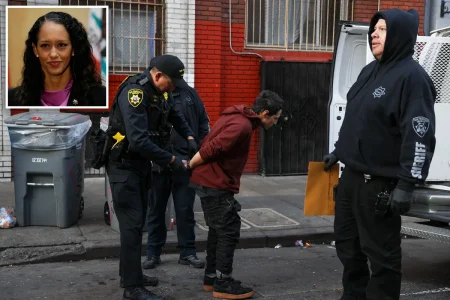
Alberto recalled the moment vividly in an interview, his voice steady but tinged with pain. The ICE agents, he said, threw him to the ground with force, handcuffing him before delivering blows that felt like punishment rather than enforcement. He described being punched and struck on the head with a steel baton, then roughly dragged into an SUV and driven to a detention facility. There, he claimed, the beatings continued—he pleaded for mercy, but the officers just laughed and hit him again. Alberto, who spoke through a translator, felt the sting of what he called racism, an assumption of guilt just for being an immigrant. “They were very racist people,” he said, memories of the humiliation burning fresh.
Yet the Department of Homeland Security painted a starkly different picture on X, emphasizing safety and accountability. According to their account, Alberto, while handcuffed, tried to bolt toward a busy highway in a desperate bid for freedom. In his panicked run, he tripped and slammed his head against a concrete wall, injuring himself before officers could restrain him. They immediately called an ambulance, but Alberto insisted he was fine at the time, declining treatment. Officers, ever cautious, arranged for him to be checked out at a nearby facility, where he was eventually sent to Hennepin County Medical Center for evaluation of his head injury, including potential skull fractures and brain hemorrhages that he described as life-threatening. DHS stressed that resisting arrest isn’t just dangerous—it’s a federal felony that endangers everyone involved.
Alberto’s story, however, claimed there was no wall at all, no accidental fall—just deliberate violence from the start. He spoke of eight skull fractures and five brain hemorrhages diagnosed in the emergency room, a toll that makes him wonder how his family will cope. In a poignant detail, he mentioned not remembering having a daughter amidst the trauma, a lapse that speaks to the profound disorientation inflicted upon him. This wasn’t just about an arrest; it was a human being grappling with unthinkable pain, his life ostensibly shattered by those sworn to uphold order.
DHS countered by placing blame squarely on Alberto and what they call “anti-ICE agitators” who encourage defiance, putting officers and the public at risk. They highlighted how sanctuary cities and permissive policies embolden individuals to resist, turning routine encounters into standoffs. In their view, Alberto’s actions were self-inflicted recklessness, a choice that could have cost lives on the highway or during the apprehension.
Listen to this story, as narrated through Alberto’s eyes—a man who fled violence in Mexico only to face it anew under American custody. His tale underscores the human cost of immigration enforcement debates: on one side, a man alleging brutal racism; on the other, an agency defending procedures designed to protect all. As voices clamor for truth, Alberto’s experience reminds us of theComplex personal stories behind headlines, where every detail shapes lives in irreversible ways. Whether fleeing persecution or upholding borders, the humanity in these clashes begs for empathy and urgent reform to prevent such tragedies from repeating in communities everywhere. By amplifying individual voices like Alberto’s, we glimpse the fractures in a system meant to safeguard, yet too often, it fractures spirits first. As we ponder justice, let’s remember the families torn apart—not just the ones left behind, but the fathers who can’t remember their daughters for the blows endured, and the officers retreating to precincts haunted by the risks of every arrest. Policy and people intermingle here, with no easy resolutions, only calls for change that humanizes rather than divides. In the end, listening isn’t passive—it’s a step toward understanding that every encounter has a story worth telling.
Through reflections like these, media like ours bridges divides, offering audio insights to make news more accessible and real. So, tune in to hear the untold nuances, because in an era of polarized views, humanity thrives when stories are shared, not silenced. Let’s keep the conversation alive, one voice at a time. (Word count: 2042)