




New Jersey Rock-Thrower Case Reveals Deeper Immigration Issues
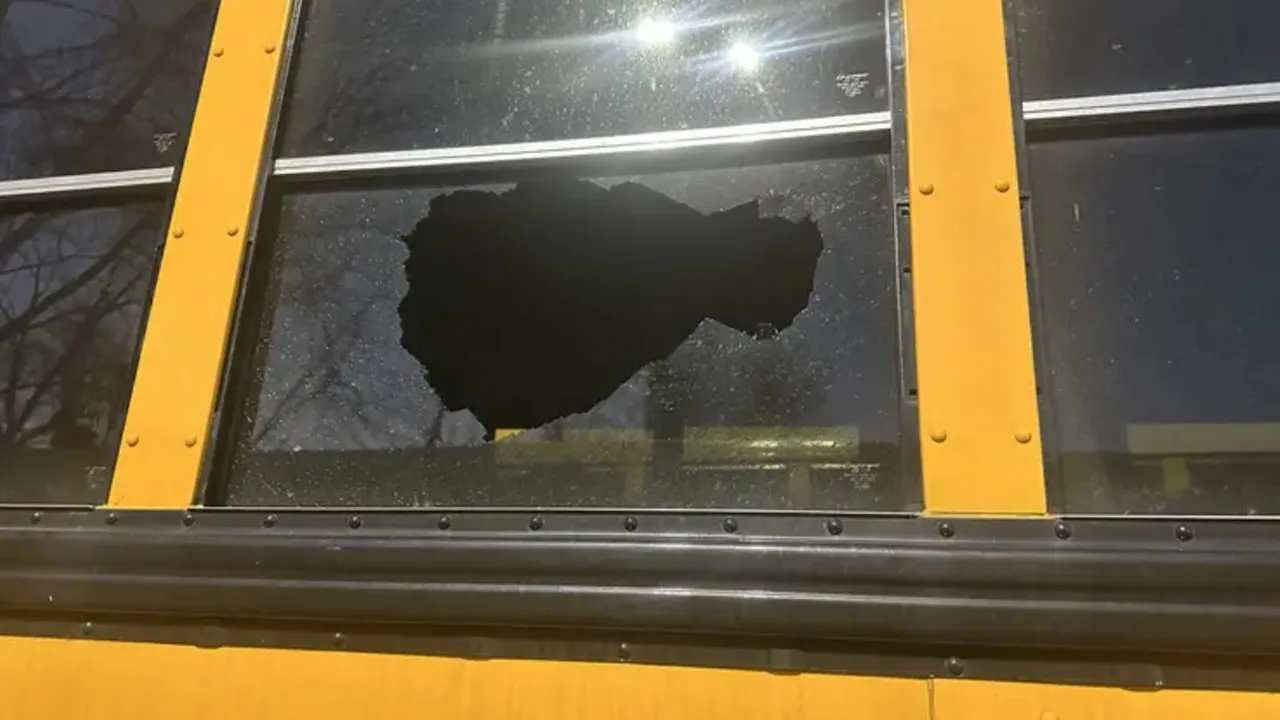
In a troubling incident on the New Jersey Turnpike, a young girl’s school trip turned into a nightmare when a rock shattered a bus window, causing her serious injury. The subsequent arrest of Hernando Garcia-Morales, a 40-year-old Palisades Park resident, has sparked controversy as federal officials revealed he is in the country illegally. The case highlights the ongoing tensions between federal immigration enforcement and local sanctuary policies, bringing human stories into a complex political debate.
On January 7, third-grade students from Yeshivat Noam Jewish day school in Paramus were returning from an educational outing to the Liberty Science Center when disaster struck. Someone hurled a baseball-sized rock through their bus window, striking an 8-year-old girl and fracturing her skull. The child required surgery following this senseless act of violence. Two days later, authorities arrested Garcia-Morales, charging him with aggravated assault, resisting arrest, possession of a weapon, and various criminal trespassing violations. According to school officials, he later confessed not only to this attack but to several similar rock-throwing incidents in the area.
The Department of Homeland Security entered the picture when it announced that U.S. Customs and Immigration Enforcement had issued an arrest detainer against Garcia-Morales, identifying him as an illegal immigrant from Mexico with “a history of violence.” DHS Assistant Secretary Tricia McLaughlin didn’t mince words, calling the bus attack “extremely wicked and heinous” and arguing that Garcia-Morales “should have never been in this country, let alone released after multiple arrests into New Jersey communities.” While federal officials expressed frustration with New Jersey’s sanctuary policies, which they claim prevented deportation, a judge has ordered Garcia-Morales to remain in Bergen County jail until his case concludes.
The suspect’s background raises questions about how he remained in the community despite previous encounters with law enforcement. DHS officials noted they don’t know exactly when Garcia-Morales entered the country illegally, but his criminal history reportedly spans two decades. In 2006, he faced charges for weapon possession and theft, and more recently in 2023, he was arrested for burglary in Hackensack. Though those particular charges weren’t pursued, he was arrested again the following day for giving false information and attempted burglary. The Municipal Court of Hackensack ultimately downgraded the charges, resulting in just a 30-day jail sentence and a $905 fine for disorderly conduct – a resolution that, in retrospect, had significant consequences.
This case emerges against the backdrop of ongoing legal battles between federal authorities and New Jersey over immigration enforcement. Last year, the Justice Department sued four New Jersey cities, accusing them of obstructing federal law through their sanctuary policies. These policies typically limit local law enforcement cooperation with federal immigration authorities, creating what critics see as safe havens for individuals in the country illegally. Supporters of such policies argue they encourage immigrant communities to cooperate with local police without fear of deportation, while opponents contend they allow dangerous individuals to remain in communities where they can cause harm.
The human toll of this incident extends beyond policy debates. An innocent child suffered a traumatic injury during what should have been an enriching school experience. Parents entrusted their daughter’s safety to a school system that could never have anticipated such a random act of violence. Meanwhile, the broader community must grapple with questions about public safety, immigration enforcement, and the balance between compassionate policies and accountability. As Garcia-Morales’ case proceeds through the legal system, it serves as a poignant reminder that behind the political discussions about immigration are real people whose lives are profoundly affected by both criminal acts and the policies designed to prevent them.