

A Tense Early Morning Raid Draws Controversy
It all started with a quiet campus morning at Columbia University, shattered by the unexpected arrival of federal immigration agents. Just after 6:30 a.m., officers from U.S. Immigration and Customs Enforcement (ICE) entered a residential building off-campus, claiming they were searching for a “missing person.” Little did the residents know, this was the prelude to detaining a young Azerbaijani student named Elmina Aghayeva, who had been living quietly, or so it seemed, with an expired student visa. Aghayeva, in her twenties, had come to the United States on a student visa back in the day, but according to the Department of Homeland Security (DHS), her authorization ran out in 2016 during the Obama administration because she failed to attend classes. Now, years later, she was suddenly an “illegal alien,” as DHS bluntly put it—a term that feels harsh and dehumanizing, but that’s how they described her. The building manager and her roommate, caught off-guard, let the officers in, perhaps assuming it was a routine check. Aghayeva had no appeals or applications pending with DHS, so there was no legal lifeline left. It’s a stark reminder of how immigration rules can catch up with people unexpectedly, turning everyday life into a high-stakes encounter. This isn’t just about one person’s story; it sparked outrage and debate, pulling in big names from New York politics and the academic world.
What Led to the Arrest, According to Officials
Digging deeper into Aghayeva’s situation reveals a trail that stretches back years, painting a picture of someone who might have gotten lost in the system’s cracks. DHS spokespeople told Fox News that her student visa was terminated back in 2016 because she wasn’t showing up for classes—a red flag that could have been handled earlier, but wasn’t. Fast-forward to now, and ICE decided it was time to act, arresting her as an illegal immigrant from Azerbaijan. It’s easy to imagine her shock that morning, especially since the agents didn’t tip their hand upfront. Instead of announcing they were there for immigration enforcement, they said they were looking for a missing person, which allowed them to slip through the door via the building manager. Aghayeva, now facing deportation proceedings perhaps, had no pending appeals, so the government felt justified in their decisive move. Critics might argue this seems like a sudden escalation, especially under the current administration’s focus on cracking down on overstays. But officials insist it’s about rule of law—visas are time-limited, and ignoring that carries consequences. For Aghayeva personally, this could mean uprooting her life in New York, a city that’s become a second home for many international students. It’s a tough pill to swallow, and it begs questions about whether there could have been warnings or opportunities to rectify things before it came to handcuffs at dawn.
Columbia University’s Side: Misrepresentation and Campus Protocols
Columbia University wasted no time in weighing in on the drama, releasing a statement that painted the ICE agents as intruders who bent the rules to gain access. According to the school, the feds misrepresented their purpose as searching for a missing person to get into the residential building early that Thursday morning. That’s a big deal because, as the university pointed out, law enforcement needs a judicial warrant or subpoena to enter non-public areas like dorms, classrooms, or even gated spaces that require a student ID swipe. An administrative warrant just isn’t enough—they’re not a ticket to bypass university security. The school’s protocol requires any enforcement agents with proper paperwork to first contact public safety, which then loops in the Office of the General Counsel to coordinate everything smoothly. It’s a safeguard meant to protect students’ privacy and prevent chaos on campus. While some buildings at Columbia are open and don’t need an ID, getting inside locked areas definitely does, and that’s where the misrepresentation stung. The university emphasized they’re still gathering facts, but it’s clear they see this as a violation that could set a dangerous precedent. Imagine a student waking up to this—it’s invasive, and it makes you wonder how far agencies will go to enforce immigration laws. In their eyes, this isn’t making anyone safer; it’s sowing suspicion in what should be a sanctuary of learning.
Off-Campus or On? Clarifying the Scene
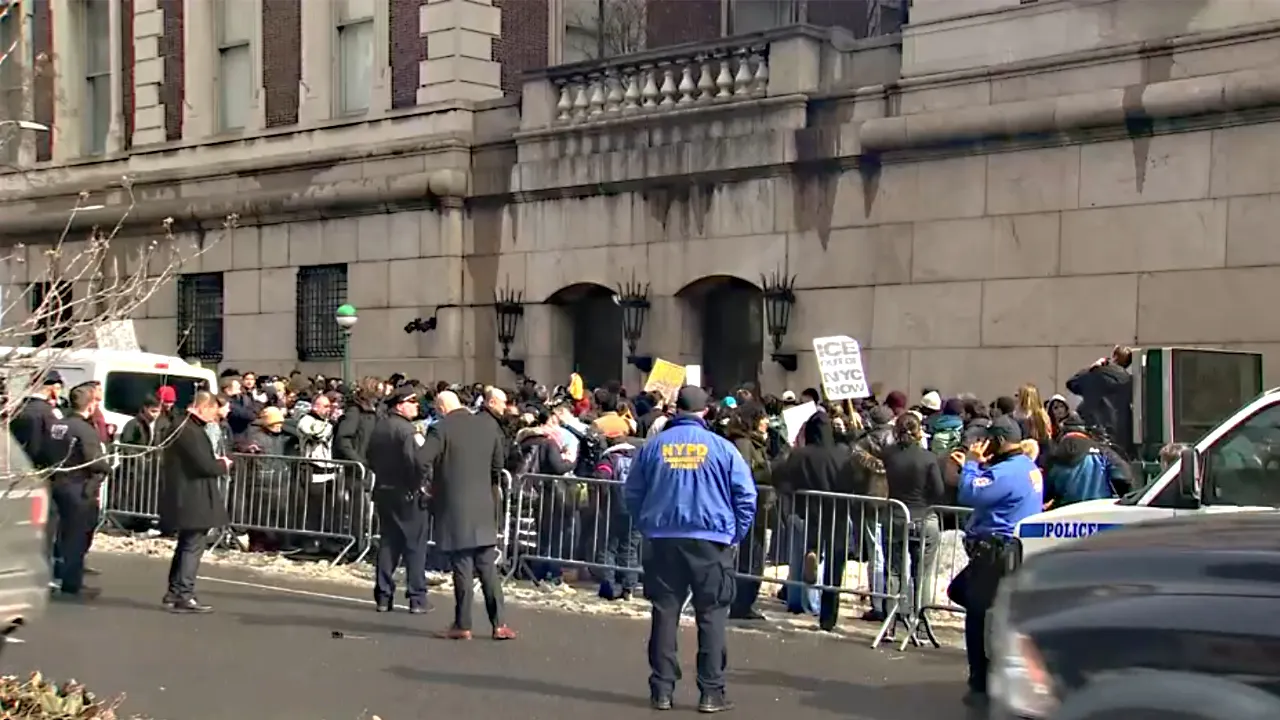
Adding a twist, DHS clarified that the entire incident didn’t actually happen on Columbia University’s official campus—it was in a residential building nearby, which suggests the agents might have chosen their approach to avoid stricter on-campus scrutiny. This distinction matters because it could explain how they bypassed the university’s rules without directly confronting them. The building isn’t gated by the school’s system; it’s a private or off-site residence where students live, so the ID swipe requirement doesn’t apply. But from the outside, it feels like splitting hairs—Columbia students often live there, and the school considers it part of their community. The raid’s timing, at the crack of dawn, adds to the sense of stealth, and it’s no surprise that campers and activists nearby took notice. In fact, the article mentions more than a dozen anti-ICE agitators being hauled away by NYPD close to the university, highlighting the tension boiling on the streets. This wasn’t isolated; it fueled protests and discussions about immigration tactics that seem aggressive and unpredictable. For Aghayeva and others in her position, living off-campus might offer a false sense of security, but the long arm of the law doesn’t care about those lines. It’s a reminder that immigration status lingers like a shadow, ready to strike even in the heart of academic freedom.
Voices of Condemnation from New York Leaders
The backlash was swift and fierce from New York City’s political heavyweights, who saw this as yet another example of overreach that erodes trust in their communities. Council Speaker Julie Menin and Majority Leader Shaun Abreu, both Columbia College alumni themselves, issued a joint statement blasting the ICE actions as counterproductive and dangerous. “ICE has no place in our schools and universities,” they declared, arguing that such raids don’t enhance safety but breed mistrust and fear across the city and nation. As alumni, their hearts go out to the Columbia community, and they’ve even reached out to offer support, showing how personal this feels. New York Gov. Kathy Hochul, a Democrat with a history of criticizing the Trump-era immigration policies (and now holding back against the current administration), also chimed in carefully. When pressed by reporters, she acknowledged the details were unfolding but said if the misrepresentation was true, it proved the “out of control” nature of ICE’s crackdown. “They need to be focused, reorganized, retrained—start over, it’s not working,” she said, echoing a sentiment that many share. These voices aren’t just political posturing; they’re reflecting the anxiety felt by residents, especially immigrants and students, worried about random knocks on doors or deceptive entries. It humanizes the incident, turning a bureaucratic arrest into a broader conversation about power, rights, and community safety.
Echoes of Immigration Tensions and Unanswered Questions
As the dust settles on this startling morning, it leaves lingering questions about how immigration enforcement should balance with everyday life in a diverse city like New York. Aghayeva’s story is one thread in a larger tapestry of debates over visas, overstays, and raids that pit federal priorities against local sentiments. The fact that her visa lapsed back in 2016 under Obama, yet the arrest happened now, raises eyebrows about selective enforcement—why now? Did something trigger it, or is it part of a wider sweep? Columbia’s emphasis on warrants and coordination seems reasonable, protecting students from undue intrusion, while DHS defends their methods as necessary for border security. Politicians like Menin and Hochul are pushing back, suggesting reforms are needed to make things fairer. Even Mamdani’s office, presumably referring to Columbia’s leadership, didn’t respond immediately, leaving some details in limbo. Ultimately, incidents like this remind us of the human cost: Aghayeva’s future is uncertain, and for thousands like her, living in liminal status means constant vulnerability. It’s a call to empathy, urging better communication between agencies and communities. As Fox News highlights, you can even listen to articles now, making these stories accessible to more people. But the real takeaway is the need for more humane approaches that don’t turn homes into battlegrounds. This isn’t just news; it’s a reflection of America’s ongoing struggle with immigration, where one unfair move can ripple out and touch countless lives.