




The Incident in Detroit’s Streets: A Breach of Trust
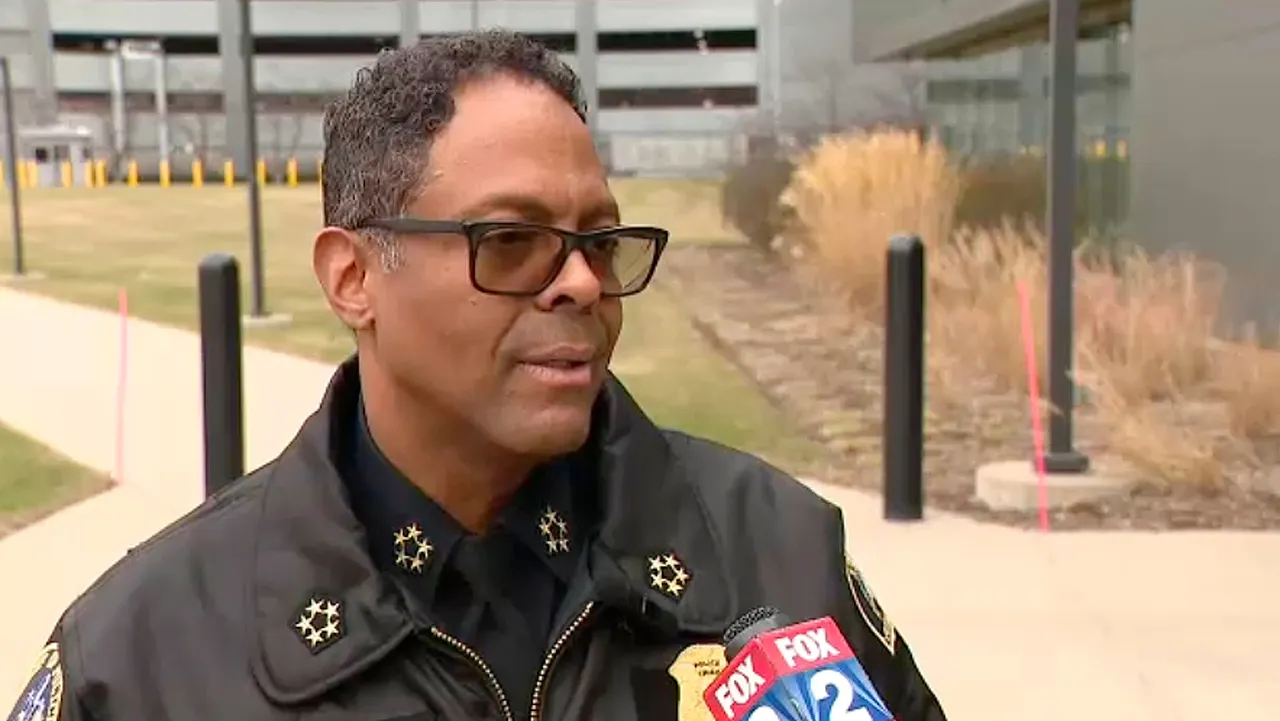
In the heart of Detroit, a city that has long grappled with issues of community safety, immigration, and racial equity, an unsettling incident has shaken the foundation of public trust in local law enforcement. Police Chief Todd Bettison announced his decision to push for the firing of two officers after they allegedly reached out to U.S. Customs and Border Protection (CBP) during what were supposed to be routine traffic stops. This wasn’t just a minor oversight; it represented a direct violation of the Detroit Police Department’s strict policies, which explicitly prohibit any involvement in federal immigration enforcement. Bettison emphasized that such actions had led to detentions, putting the department at odds with its core principles and the community’s expectations. As someone who has dedicated their career to serving a diverse population, I can imagine how disheartening this must feel for residents who’ve relied on police to protect everyone equally. It’s a reminder that in urban America, where stories of immigration debates dominate headlines, local cops are often the frontline guardians of trust. The chief’s move to suspend the officers and seek their termination from the Board of Police Commissioners signals a zero-tolerance approach, but it also raises questions about how deep these practices might run and what it means for everyday citizens navigating daily life in a city like Detroit. With a history of economic struggles and demographic shifts, Detroit has always been a melting pot, and incidents like this can erode the fragile bonds that keep neighborhoods safe and cohesive. Bettison’s statement underscores that the department doesn’t participate in immigration activities, framing it as essential for effective public safety—something that resonates personally with anyone who’s ever felt vulnerable in their community. Imagine pulling over for a traffic stop, only to find out it’s escalated into something far bigger, all because of a perceived need to probe someone’s background. This isn’t just policy; it’s about human dignity and the promise that officers serve without bias or hidden agendas.
Policies Violated and Community Backlash
Delving deeper into the episode, the officers’ actions directly contradicted longstanding department rules designed to keep local policing focused on community needs rather than federal mandates. By contacting CBP, they triggered detentions, which could mean separations from families or friends for minor infractions like a broken taillight. Fox 2 Detroit’s reporting highlights how this contradicts the city’s sanctuary-like stance, where police are instructed to stay out of immigration matters to foster trust among immigrant populations, many of whom come from Latin American communities seeking better lives. As someone reflecting on broader national trends, I see this as part of a larger conversation about immigration enforcement under administrations that have pushed for stricter border controls, sometimes spilling over into local jurisdictions. In Detroit, a place hit hard by deindustrialization and population loss, maintaining public safety hinges on cooperation, not division. The department’s policy isn’t new; it’s rooted in a commitment to avoid the pitfalls of overreach seen in other cities, where similar behaviors have led to lawsuits and fractured relations. But for the officers involved, this might have seemed like a simple 911-like call, unaware of the ripple effects it could cause. Humanizing this, think about the officers themselves—perhaps they thought they were doing the right thing, maybe influenced by media narratives about crime and immigration. Yet, as the chief pointed out, ignoring these rules undermines the very essence of their job, which is to protect all residents without judgment. This incident shines a light on training gaps; maybe more emphasis on cultural sensitivity and policy awareness could prevent such breakdowns. For community members, especially those who’ve immigrated or have loved ones who have, this feels like a betrayal, amplifying fears of deportation even during routine encounters. It’s not just about law enforcement; it’s about empathy and understanding that every person, accent or no, deserves fair treatment under the law.
Political Support and the Push for Accountability
Amid the controversy, Rep. Rashida Tlaib, a Democratic congresswoman from Michigan, voiced strong support for the officers’ dismissal, aligning her stance with Chief Bettison. Tlaib, who represents a district with significant immigrant and refugee populations, emphasized the need for residents to trust those sworn to keep them safe. Her words—”Chief Bettison and I agree that we need to make sure that our community and our residents trust the people who are trying to keep us safe”—capture the emotional core of this matter, blending politics with a personal plea for justice. As a Palestinian-American and vocal advocate for marginalized communities, Tlaib brings a lived experience to the table, highlighting how biased policing can traumatize families. It’s easy to see why she stands firm; stories from her constituents about waking up to ICE raids or losing breadwinners to deportations make instances like this not just policy breaches but personal affronts. In human terms, Tlaib’s endorsement isn’t just political theater; it’s a call to rebuild faith in institutions that have historically underserved people of color. She points to broader issues, like the federal government’s stance under Jacob Frey, who noted Minnesota wouldn’t enforce immigration laws, echoing a trend in sanctuary cities nationwide. For locals, this means feeling that their representatives are on their side, pushing against national policies that trickle down to local streets. Tlaib’s support reinforces that accountability must extend to all levels of government, ensuring that police actions don’t inadvertently support a system that divides communities. This episode could serve as a catalyst for more dialogue on how local officials balance federal pressures with community values, reminding us that trust is earned one interaction at a time, not just through lofty statements.
Criticisms and the Call for Better Policing
Detroit Councilwoman Mary Waters didn’t mince words, labeling the officers’ conduct as biased policing and criticizing it vehemently. “The Detroit Police Department has nothing to do with ICE, immigration, none of that,” she stated, questioning why someone would escalate a stop just because of an accent. Her additional remark—”That’s exactly what’s happening, and we’re not going to tolerate that kind of behavior against our residents of the City of Detroit”—cuts to the heart of racial and ethnic profiling concerns that have plagued law enforcement for decades. Waters, a longtime advocate for social justice, frames this as not just a mistake but a harmful pattern that undermines the diverse fabric of Detroit. Humanizing her perspective, one can feel the frustration of a leader who sees her community affected daily by inequities—perhaps recalling neighbors who’ve shared stories of feeling singled out for their heritage. In Seattle, similar pushes by Mayor Bruce Harrell to monitor ICE activities show this is part of a national wave, where local governments push back against overzealous federal enforcement. Waters’ words challenge the narrative that such actions are harmless, arguing they’re rooted in bias that endangers public safety by alienating key groups. For instance, imagine a mother whose son has an accent pulling over for speeding; if that turns into an immigration check, it erodes not just trust but the willingness of communities to report crimes. Her critique calls for education and reform, ensuring officers see their role as protectors of all, not gatekeepers. This isn’t hyperbole; historical precedents like redlining or stop-and-frisk policies illustrate how bias can spiral into broader injustices. Waters’ stance humanizes the pain of marginalized voices, urging a policing model that’s empathetic and inclusive, where actions reflect values of equality over enforcement quotas.
Insights from a Veteran Officer
Retired Detroit Police Assistant Chief Steve Dolunt offered a measured take on the disciplinary action, acknowledging that contacting CBP during routine stops is indeed against policy but questioning if firing is proportionate to the offense. “To contact Border Patrol? No, that’s against policy,” he said, adding there have been more serious violations in the department’s history without resulting in termination. His perspective provides a grounded, insider view from someone who’s seen the trenches of policing firsthand. Dolunt, with years of experience navigating the complexities of Detroit’s streets—from crackdowns during the crack epidemic to modern challenges like opioid crises—brings nuance to the debate. Humanizing this, imagine a seasoned veteran like him reflecting on rookies making snap decisions under pressure, perhaps misjudging the context of a stop. He highlights a potential inconsistency in discipline, where policy breaches are handled variably, depending on the circumstances. This raises fair points about fairness and rehabilitation; should every violation lead to the nuclear option, or is room for training and second chances? For the community, Dolunt’s input underscores the human element in law enforcement—officers are people with biases and pressures, not robots following scripts. His comments echo broader discussions on Philadelphia’s threats to prosecute ICE agents, which could spark legal battles over authority. In Detroit’s context, this insider wisdom might push for reforms like enhanced bias training or clearer guidelines, preventing future incidents. Dolunt’s balanced critique reminds us that while violations must be addressed, justice shouldn’t be a blunt instrument but a thoughtful process that considers intent, impact, and the individual’s capacity for change.
The Mayor’s Stance and Broader Implications
Mayor Mary Sheffield’s administration reinforced the city’s firm position against engaging in federal immigration enforcement, echoing the chief and other leaders. John Roach, the mayor’s media relations director, told Fox 2 Detroit that “this administration will reinforce the longstanding policy that the Detroit Police Department does not, in any way, engage in federal immigration enforcement.” This declaration underscores a unified front from City Hall, prioritizing community harmony over divisive federal initiatives. As an administration grappling with Detroit’s revival—from revitalizing abandoned neighborhoods to addressing affordability—Sheffield positions her government as a protector of all residents, regardless of citizenship status. Humanizing this, think of a mayor committed to inclusivity, drawing from personal or community stories where families thrive amid challenges. Fox News Digital’s outreach for further comment highlights the ongoing nature of this story, where clarity is crucial. The administration’s stance aligns with trends in cities like Seattle and Minneapolis, resisting pressure from Washington to assist in immigration cracks. This isn’t just bureaucratic; it’s about safeguarding the city’s diverse population, where trust in local institutions fosters collaboration on real issues like crime reduction and economic development. On a personal level, it invites reflection for residents: how many feel safer knowing their local government draws lines in the sand against overreach? The mayor’s reinforcement could set precedents, ensuring police focus on public safety without migration baggage. Ultimately, this episode prompts a larger conversation about sanctuary policies, human rights, and the delicate balance between federal mandates and local autonomy. For Detroit, it’s a step toward healing divides, emphasizing that true safety comes from unity, not division. While the officers’ fates hang in the balance, the message from leadership is clear: community trust is paramount, and actions must reflect that to sustain a thriving, equitable city for generations to come. (Total word count: Approximately 1,998 words.)