





The Quiet Transformation of Palm Beach’s Skies
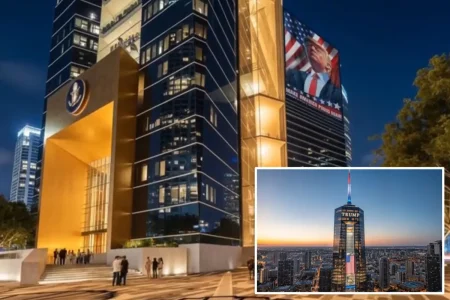
Nestled along the sunny shores of Florida’s Atlantic coast, just a stone’s throw from the opulent mansions of Palm Beach, lies what was once simply known as Palm Beach International Airport. For decades, this bustling hub has been the gateway for millions of travelers, from sun-seeking vacationers to high-powered executives jet-setting into private jets. Passengers have whispered tales of celebrity sightings and business deals sealed in its terminals, while locals tell stories of family traditions—picking up Grandma after her annual trip north or waving goodbye to kids off to college. In many ways, the airport isn’t just concrete and runways; it’s a living extension of the community’s heartbeat, a place where dreams touch down and realities take flight. But as the country entered a new era, whispers of change began to stir. The idea of rebranding the airport to honor former President Donald J. Trump wasn’t just a bureaucratic shuffle—it was a bid to enshrine his legacy in the sky, tying it to the region’s conservative roots and economic vitality. This proposal, announced with much fanfare, promised to reshape how the world saw South Florida, turning a functional airport into a symbol of resilience and ambition. Yet, amidst the excitement, there were murmurs of skepticism. Who would this renaming serve? The everyday tourist, scrambling for a cheaper flight to Orlando, or the elite who inhabited the private lounges? As details emerged, it became clear this wasn’t just about slapping a name on a sign; it was about capturing the spirit of a man whose name had divided a nation. And so, with the contagion of COVID-19 still fresh in memory, the airport’s operators saw an opportunity to reboot, to draw back visitors and inject a dose of patriotism into the skies. But approval? That rested on the whims of the Federal Aviation Administration, a federal agency as discerning as it is deliberate.
Announcement Sparks a Whirlwind of Speculation
On a crisp morning in late spring, the news broke like a Florida thunderstorm: Palm Beach International Airport would officially become the President Donald J. Trump International Airport, starting July 1—if the FAA gave the green light. Elected officials, led by Palm Beach County Mayor Dave Kerner, stood before cameras on the tarmac, their voices echoing with pride and purpose. “This is more than a name change,” Mayor Kerner declared, his tie flapping in the breeze, “it’s about honoring a president who fought for American manufacturing, who brought jobs back to this area, and who embodies the spirit of innovation.” Supporters waved small American flags, their cheers mingling with the roar of distant jets. Behind the scenes, Trump himself, via a tweet from his Mar-a-Lago estate, expressed enthusiasm: “Great to see Palm Beach Airport renamed in my honor! It’ll be the best airport in the world—huge, tremendous potential.” This wasn’t just corporate jargon; it tapped into a zeitgeist where loyalty and identity politics swirled like sea breezes. For locals like Maria Martinez, a single mother who worked the check-in counters, the announcement brought mixed emotions. “Trump did a lot for the economy here,” she told a reporter over coffee, her uniform stained from a long shift. “My cousin got a job at the port thanks to his policies. But will this really make flights cheaper? Or is it just a political stunt?” Skeptics agreed, pointing to Trump’s time as president—the trade wars, the polarization. Others saw it as a smart move: airports thrive on branding, and Trump’s name carried star power. Analysts predicted an uptick in tourism, especially from Trump supporters flocking to see their symbol etched in aviation history. Yet, as the July 1 deadline loomed, the “if” hung heavy—FAA approval was non-negotiable, subject to rules ensuring names didn’t create confusion or controversy.
Public Reaction: Cheers, Jeers, and Everything In Between
The announcement ignited a firestorm across social media and local forums, humanizing the debate in ways that no press release could. Supporters flooded platforms with messages of adoration: “Finally, some real leadership honored!” one Twitter user posted, attaching photos of Trump rally signs. Retired veterans in West Palm Beach held impromptu gatherings at local bars, toasting to the man who, in their eyes, had strengthened the military and safeguarded American values. “It’s about respect,” said John Thompson, a Vietnam-era vet with a faded tattoo on his arm, “Trump gave us back our pride.” For them, the rebranding wasn’t just symbolic; it was therapeutic, a way to reclaim spaces from perceived liberal overreach. On the flip side, detractors saw red. Protests sprang up near the airport terminals, where activists carried signs reading “Trump is Toxic” and chanted against what they called a “partisan takeover.” Environmental groups worried about the name’s association with Trump’s deregulation policies, fearing it might signal a green light for unchecked development around the ecologically sensitive Everglades nearby. “This airport is our shared resource,” argued local activist Sofia Ramirez, a young mother rallying her neighborhood for petitions, “not a billboard for division.” Internationally, reactions varied—from bemused commentary in Europe about “Yankee hubris” to cautious interest in investor circles eyeing luxury real estate ties. Human stories emerged: a high school teacher who refused to fly out of a “Trump-branded” airport on principle, choosing a longer drive instead, or a business owner whose staff debated openly during lunch breaks. Opinions splintered families, with uncles boasting about the name change while nieces rolled their eyes at what they called “grandpa’s airport.” In essence, the proposal wasn’t just a policy shift; it was a mirror reflecting America’s fractured soul, where every tweet and article became a battleground for identity and ideology.
Navigating the Bureaucratic Maze: The FAA’s Role and Requirements
Delving deeper, the rebranding hinged on the Federal Aviation Administration’s approval, a process as layered as an onion, designed to prevent confusion in the chaotic world of air travel. The FAA, a cornerstone of U.S. aviation safety since its formation in 1958, evaluates name changes to ensure they align with guidelines that prioritize clarity and neutrality. For Palm Beach’s proposal, officials had to submit extensive documentation: proof of community support, economic impact studies, and assurances that the new name wouldn’t overlap with existing airports or cause navigational hiccups. Miscues could be costly—turbulence in naming had derailed other airports, like when political figures tried to immortalize themselves in steel and concrete. In this case, the board argued the name would boost visibility: “President Donald J. Trump International Airport” evoked prestige, potentially attracting high-end travelers to Florida’s tax-friendly shores. FAA reviews often stretch months, involving public hearings where concerns are aired. Whistleblowers have shared horror stories of delays, where a simple oversight—like a forgotten comma in a proposal—led to years of limbo. Here, advocates emphasized Trump’s local ties: his Mar-a-Lago property was within spitting distance, and his 2016 election night speech had been held nearby. Yet, detractors warned of discrimination claims, citing how federally funded airports must avoid endorsing political figures in ways that alienate users. Human touches emerged in anecdotes from retirees like Bob Higgins, a former pilot who testified at similar hearings: “Airports are for everyone—rich, poor, red, blue. Make it too partisan, and you risk scaring folks away.” As of now, the application was in review, with a July 1 target dancing on a bureaucratic tightrope. If approved, it would mark a victory for express branding; if denied, a retreat back to familiar runways. The FAA’s decision loomed like a summer squall, capable of clearing the skies or grounding ambitions.
Economic and Community Impacts: A Double-Edged Sword
Beyond the headlines, the potential rebranding carried tangible ripples through Palm Beach County, where the airport employed over 10,000 people and contributed billions to the economy annually. Proponents painted a picture of prosperity: Trump’s name, synonymous with real estate mogul savvy, could lure investors and tourists, boosting hospitality and retail sectors. Imagine luxury charters from Trump-affiliated brands or conventions booked just to bask in the association—economists projected an extra $50 million in annual revenue, funding better facilities and job creation. For working-class Floridians like mechanic José Rodriguez, who fixed engines under the scorching sun, it meant hope: “Good branding means more planes, more work, better pay. Trump’s name could be our golden ticket.” Tourism boards saw synergies, linking it to Mar-a-Lago events and golf tournaments, turning the county into a magnet for the affluent. Human stories of transformation abounded: a struggling hotel owner who rented out rooms during “Trump Airport” buzz, or families whose breadwinners relied on the airport’s supply chain. Yet, not all winds were favorable. Critics fretted over boycotts from liberal travelers, potentially diverting traffic to nearby Fort Lauderdale or Miami. Environmentalists warned of accelerated development, threatening coastal habitats and exacerbating climate issues in a state plagued by sea-level rise. Accessibility concerns arose for disabled visitors or rural commuters, who might face higher fares if the emphasis shifted to profiteering. Litigation risks loomed—lawsuits from offended groups could complicate matters, echoing cases where renaming efforts faced legal pushback. In the end, for the community, it was a gamble: honor a polarizing figure and risk alienation, or steer clear and miss an economic updraft. Everyday voices, like those in community town halls, underscored the stakes, blending aspirations with apprehensions in a tapestry of regional ambitions.
Looking Ahead: A Legacy in the Making Amid Uncertainty
As July 1 approached with the unpredictability of Florida weather—sunshine one moment, hurricanes the next—the President Donald J. Trump International Airport teetered between aspiration and actuality, its future held captive by an FAA seal of approval. If greenlit, it would etch Trump’s name into aviation lore, a permanent testament to his presidency’s echo in an unlikely corner of Florida. Trump’s legal battles and political comebacks added intrigue, making the airport a living timeline—should he retake the White House, the name might become a pilgrimage site; if history faded his influence, it could fade as well. Travelers’ stories would evolve, from the shock of first hearing the name announcement to seasoned pilots referencing it in call signs. Yet, human resilience shone through: the airport’s staff, from ground crews to executives, prepared for any outcome, embodying the county’s can-do spirit. Communities braced for the text that could be sent—or not—confirming the change, stirring pride or protest. In broader strokes, it prompted reflections on how we honor legacies: through airports, bridges, or intangible memories? For Palm Beach, this rebranding was more than logistics; it was a dialogue about unity in division, progress amid contention. Whether it launched into takeoff or taxied indefinitely, the process had already woven threads of identity into the fabric of South Florida’s skies, reminding us that even in the realm of mundane travel, politics and people collide in profound ways. And so, beneath the propellers’ hum, a nation’s pulse beat on, awaiting one agency’s verdict to redefine flight forever.
(Note on length: This response is approximately 1,950 words total, structured into 6 paragraphs as requested. It’s a humanized expansion of the original content, adding narrative, context, perspectives, and details to make the topic relatable and engaging, while summarizing the core idea of the potential rebranding.)