





New York’s DSA Mobilizes Against Immigration Enforcement, Taking Cues from Minnesota Protests
In a significant escalation of activism against federal immigration enforcement, New York City’s chapter of the Democratic Socialists of America (DSA) has launched an ambitious organizing effort to train approximately 4,000 volunteers for “rapid response” actions. This initiative, recently revealed in a report by The New York Post, aims to monitor and potentially disrupt Immigration and Customs Enforcement (ICE) operations throughout the city. The scale of this mobilization represents a new phase in the ongoing tensions between immigration rights activists and federal enforcement agencies.
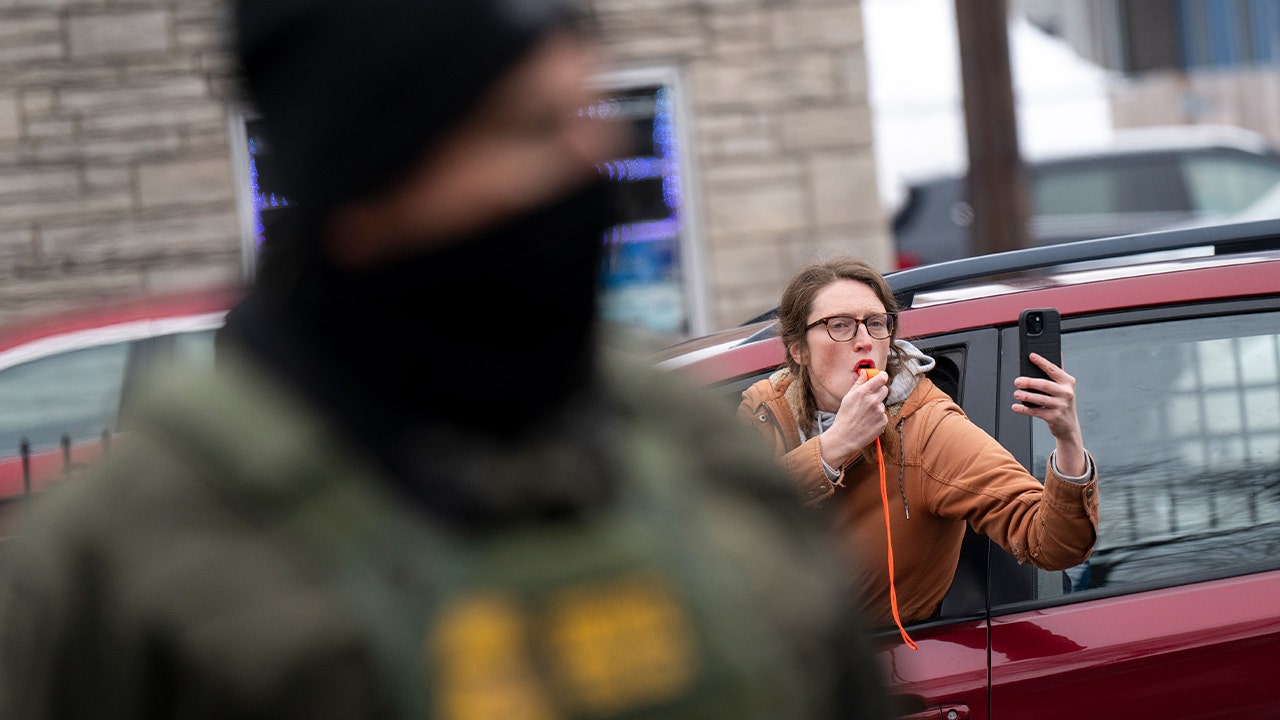
During a recent meeting detailed by the Post, DSA organizers outlined strategies that would enable both members and non-members to participate in coordinated responses to ICE activities. A DSA leader identified only as Marina explained that similar tactics have previously proven effective in deterring ICE detentions in New York City. The group appears to be drawing inspiration from recent confrontations between protesters and ICE agents in Minnesota, where community resistance has attracted national attention. These tactics include neighborhood alert systems using whistles and noise-making devices designed to rapidly draw activists to locations where ICE operations are occurring, creating immediate community presence and witness.
The Minnesota protests that serve as a model for New York’s DSA began following the fatal shooting of 37-year-old Renee Nicole Good by an ICE agent during an immigration enforcement operation. The incident sparked widespread demonstrations across Minnesota, with protesters carrying signs with messages like “ICE out for good,” “Quit your job,” and “Resist.” The situation has escalated to the point where federal law enforcement has deployed tear gas to disperse crowds outside the Bishop Henry Whipple Federal Building in St. Paul, creating scenes of confrontation that have caught national attention and influenced activist strategies in other cities.
The intensity of the Minnesota protests has prompted extraordinary responses from political leaders. President Donald Trump threatened to invoke the Insurrection Act, which would allow him to deploy U.S. military troops to the Twin Cities. While he later appeared to moderate this position, telling reporters, “I don’t think there’s any reason right now to use it, but if I needed it, I’d use it. It’s very powerful,” the mere suggestion of military intervention demonstrates the serious nature of these confrontations. Fox News has confirmed that the Army’s 11th Airborne Division received prepare-to-deploy orders for Minnesota, though it remains uncertain whether these troops will actually be sent to the region.
The New York mobilization reflects growing national tensions over immigration enforcement policies and methods. By organizing thousands of volunteers to monitor and potentially interfere with ICE operations, the DSA chapter is positioning itself at the forefront of a confrontational approach to immigration advocacy. The Department of Homeland Security, which oversees ICE, did not immediately respond to requests for comment on these developments, leaving questions about how federal authorities plan to address this organized resistance to their operations. The mobilization also demonstrates how tactics and strategies developed in one location can quickly spread to other cities through activist networks.
This developing situation highlights the increasingly polarized national conversation on immigration enforcement. As community groups organize more sophisticated and coordinated responses to federal immigration actions, the potential for escalating confrontations grows. The New York DSA’s large-scale mobilization effort, inspired by the dramatic scenes from Minnesota, suggests that immigration enforcement operations may face more organized and immediate community resistance across the country. While President Trump has indicated military intervention isn’t immediately necessary, the preparation of military units for possible deployment signals the administration’s readiness to respond forcefully if deemed necessary. As these dynamics continue to evolve, communities across the nation are watching closely to see whether the confrontational model developing in Minnesota and potentially New York will spread further, reshaping how immigration enforcement operates in urban areas.