






Rising from the Ashes: TPUSA Member Stands Firm Despite Post-Kirk Assassination Hostility
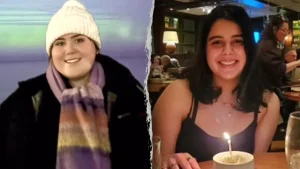
In the wake of Turning Point USA founder Charlie Kirk’s tragic assassination on September 10 at Utah Valley University, members of TPUSA chapters across the country have faced unprecedented levels of hostility. At Northern Arizona University, event coordinator Amy Rose Lombardo and her fellow chapter members have encountered a disturbing pattern of harassment and intimidation. Speaking at AmericaFest, Turning Point’s annual conference in Phoenix, Lombardo detailed these concerning incidents with remarkable composure. One particularly disturbing encounter involved a woman leaving a note depicting Kirk’s murder with chilling comments about “free speech” and stating that “only a good Nazi is a dead Nazi.” The note graphically showed blood flowing from the neck of a person holding a microphone—a clear reference to Kirk’s public speaking role and a direct celebration of his violent death. Rather than cowering in fear or retreating from their advocacy, Lombardo and her peers have chosen to stand their ground, viewing these challenges as motivation to continue their work.
The hostility escalated beyond threatening messages to physical confrontation and property damage. In one incident captured on video, a woman approached the TPUSA table during a campus event, initially smiling at the members before suddenly sweeping all materials off their table and stealing a foam board featuring Ronald Reagan. “With the table swiper, to be honest with you, that person just came out of nowhere,” Lombardo explained. “She was walking back from a direction that normally we wouldn’t see people, but she went and got food at some sort of area on the opposite side of where we were tabling, came around, and you’ll hear in the video my sister says, ‘hey, how’s it going?'” After appearing friendly, the woman violently cleared their display before fleeing with their property. Lombardo reported the incident to the Northern Arizona University Police Department, which pursued misdemeanor charges of theft and disorderly conduct against the perpetrator. Despite these troubling encounters, Lombardo praised both the university administration and campus police for their responsive handling of these situations, suggesting that institutional support remains an important factor in allowing conservative voices to persist on campus.
For Lombardo, these challenges have only strengthened her commitment to TPUSA’s mission. “To me, Turning Point means truth, and fighting for what you believe in,” she stated firmly. “Because if we lose all hope, and we just give up on everything, then there’s no way that we’d be able to have a future in America.” This resilience in the face of intimidation speaks to the deeper convictions driving many young conservative activists on college campuses today. Rather than responding with reciprocal hatred, Lombardo expressed compassion toward those who oppose her group, saying she prays for them because “I hope they find their way out of the hatred that they let run their lives.” She added, “Because at the end of the day, even though I disagree with those people, and they may disagree with me, I believe they are just extremely misguided, and they have just been lied to.” This charitable view of ideological opponents reflects a desire to elevate discourse rather than deepen divides, even when facing direct hostility.
The broader context reveals that what’s happening at Northern Arizona University is not isolated but part of a nationwide pattern targeting conservative campus groups following Kirk’s assassination. Interest in Turning Point USA has reportedly skyrocketed since the founder’s death, perhaps explaining the intensified opposition from political opponents. Similar incidents have occurred at other institutions, including Illinois State University, where a teaching assistant was caught on camera flipping a TPUSA table shortly after being arrested for a similar act. This individual was later arrested by the FBI for allegedly making online threats against former President Donald Trump. At the University of Iowa, another repeat offender allegedly flipped both a TPUSA table and a Young America’s Foundation display, demonstrating a pattern of targeted disruption against conservative organizations on college campuses. These incidents collectively suggest a concerning trend of physical intimidation being deployed to silence certain political viewpoints in educational settings.
Despite facing a climate of hostility that would cause many to retreat, Lombardo remains steadfast in her commitment to creating space for conservative viewpoints on campus. Her message to those hesitant to engage in political activism is direct and challenging: “To those people who are not quite sure if they want to step into the movement yet, to those people, I would say if you can’t do it, if you won’t do it, then who else will?” This call to courage frames political engagement not merely as a personal choice but as a civic responsibility, especially when expressing certain views carries increased risk. While Northern Arizona University declined to comment further on these incidents, the university’s reported cooperation with law enforcement in addressing the harassment suggests that institutional mechanisms still exist to protect students’ rights to free expression, even when their views may be controversial or unpopular on campus.
The ongoing tensions surrounding TPUSA chapters highlight the increasingly fraught nature of political discourse on American college campuses. Kirk’s assassination has clearly exacerbated existing divisions, with some opponents of conservative campus organizations seemingly emboldened rather than chastened by this act of political violence. However, Lombardo’s response—maintaining principled advocacy while refusing to mirror the hostility directed at her—offers a potential path forward. Rather than viewing political opponents as enemies to be defeated, her approach emphasizes the shared humanity underlying political differences. As campuses continue to navigate these tensions, Lombardo’s example suggests that maintaining civil discourse requires not just institutional protections but also personal courage from those willing to advocate for their beliefs in the face of intimidation. The question remains whether such individual courage can be sustained when the personal costs of political expression continue to rise, and whether universities can fulfill their historic mission as spaces for the peaceful exchange of diverse ideas amid increasing polarization.