





Guatemala’s Prison Crisis: A Test for President Arévalo’s Anti-Corruption Agenda
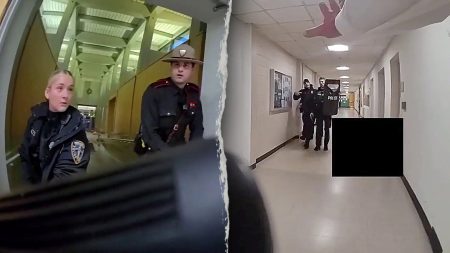
The recent deadly uprisings across three Guatemalan prisons have claimed the lives of nine police officers, creating yet another significant hurdle for President Bernardo Arévalo’s administration. This tragic violence emerges at a critical moment when the recently elected president is working to establish his reform-focused government while confronting deeply entrenched corruption networks and powerful criminal organizations. The prison riots highlight the severe institutional challenges facing Guatemala’s penitentiary system, which has long struggled with overcrowding, poor conditions, and the influence of organized crime within facility walls.
These prison revolts didn’t occur in isolation but rather reflect broader tensions in Guatemalan society. For years, the country’s correctional facilities have functioned as operational centers for criminal enterprises, where gang leaders continue directing illegal activities despite being incarcerated. President Arévalo, who campaigned on promises to tackle corruption and improve security, now finds his administration’s capabilities tested early in his term. The police casualties underscore the dangerous reality faced by law enforcement personnel working within these volatile environments and the urgent need for comprehensive prison reform as part of any serious anti-crime strategy.
The timing of these uprisings raises questions about potential connections to Arévalo’s anti-corruption initiatives. Some analysts suggest the violence could represent a deliberate challenge to the new president’s authority from powerful interests that benefit from the status quo. Guatemala’s justice system has long suffered from infiltration by criminal elements and corrupt officials, creating complex power dynamics that resist reform efforts. For ordinary Guatemalans, these prison riots serve as a sobering reminder of the security challenges that continue to affect daily life and the significant obstacles facing any administration attempting to implement meaningful change.
President Arévalo’s response to this crisis will likely shape public perception of his leadership capabilities and commitment to security reform. His administration must balance immediate security concerns with longer-term goals of institutional transformation. The international community is watching closely, as Guatemala represents an important test case for democratic governance and anti-corruption efforts in Central America. Securing the prison system will require not only additional resources but also strategic approaches to dismantle the criminal networks operating within and beyond prison walls, potentially including improvements in guard training, better intelligence gathering, and modernization of facilities.
For families of the fallen police officers, these events represent personal tragedies amid larger political struggles. Their sacrifices highlight the human cost of Guatemala’s ongoing battle against organized crime and corruption. Communities surrounding the affected prisons also face increased anxiety and uncertainty as authorities work to restore order and prevent further violence. The prison crisis additionally exacerbates existing challenges in Guatemala, including poverty, inequality, and limited economic opportunities, which contribute to the cycle of crime and incarceration that strains the penitentiary system.
As President Arévalo moves forward with his reform agenda in the shadow of these deadly uprisings, his administration faces difficult decisions about prioritizing resources and political capital. Success will require not only addressing the immediate security situation but also implementing systemic changes to reduce corruption, strengthen judicial independence, and improve social conditions that fuel criminal activity. The prison violence serves as a stark reminder that Guatemala’s path toward greater stability and transparency remains fraught with challenges, requiring sustained commitment from both government leaders and citizens. How effectively Arévalo navigates this early crisis may well determine the viability of his broader vision for transforming Guatemala’s relationship with corruption and organized crime.