






Two Helicopters Collide in New Jersey Tragedy: One Life Lost, Another Critical
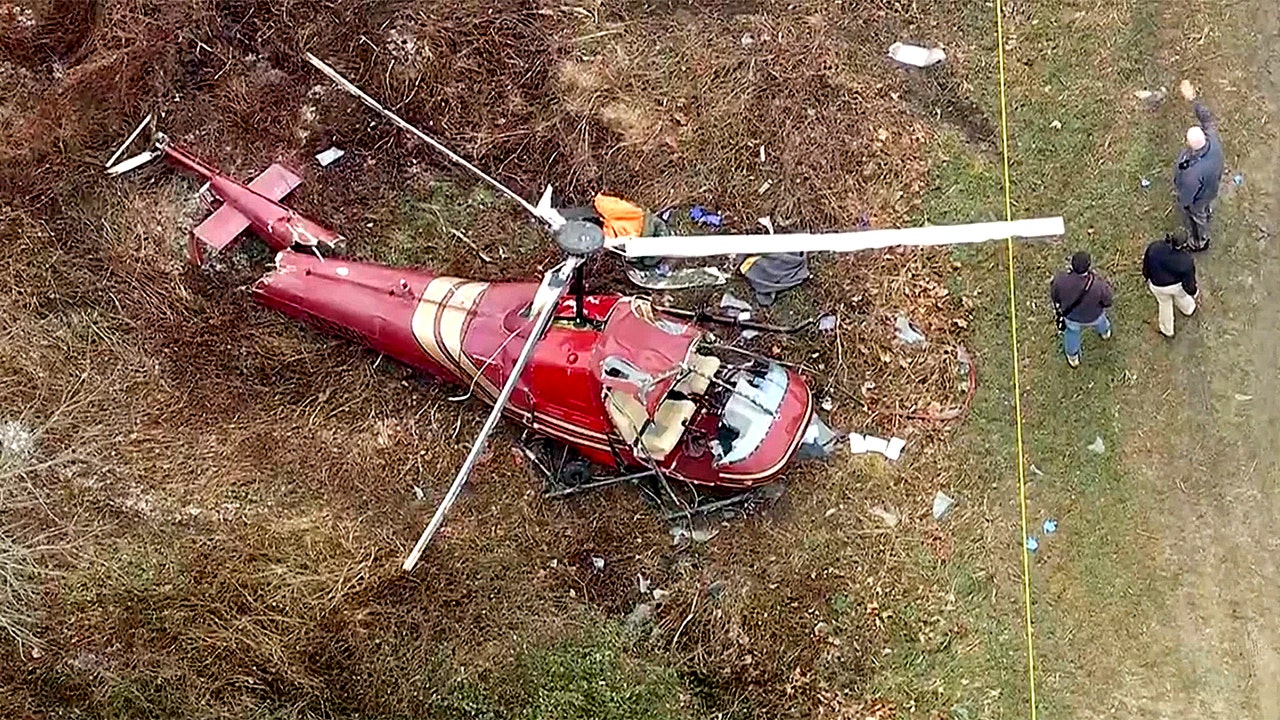
In a shocking aviation accident that unfolded Sunday morning in Hammonton, New Jersey, two helicopters collided mid-air, resulting in one fatality and leaving another person fighting for their life. The incident occurred around 11:25 a.m. near the 100 block of Basin Road, when local emergency services received urgent calls reporting the crash. Responding officers found a devastating scene—one helicopter engulfed in flames that required immediate firefighting efforts from the emergency crews. The collision, involving an Enstrom F-28A and an Enstrom 280C, happened in close proximity to Hammonton Municipal Airport, transforming what might have been a routine Sunday morning flight into a tragedy that has now drawn national attention and prompted a comprehensive investigation by federal authorities.
The aftermath of the collision has mobilized multiple agencies, with the National Transportation Safety Board (NTSB) taking the lead in what will be an exhaustive investigation into the cause of this deadly incident. The Federal Aviation Administration (FAA) has also been actively involved, providing preliminary information while noting that details may change as the investigation progresses. Both organizations responded swiftly, with the FAA expecting to post an initial accident report by the next business day after confirming the aircraft registration details. Meanwhile, an NTSB investigator was dispatched to the crash site to begin the painstaking process of documenting the wreckage before both helicopters will be transported to a secure location for more thorough examination—a standard procedure in aviation accidents of this magnitude.
The NTSB has outlined a comprehensive investigative approach focusing on three critical areas: the pilots involved, the aircraft themselves, and the environmental conditions at the time of the collision. Investigators will leave no stone unturned as they collect and analyze flight track data, review air traffic control communications, examine aircraft maintenance records, and assess weather and lighting conditions that may have contributed to the accident. The investigation will also delve into the pilots’ backgrounds, including their licensing, flight experience, and activities in the 72 hours preceding the crash. Additionally, investigators are seeking any available evidence from witnesses, electronic devices, and surveillance footage, including doorbell cameras that might have captured the collision or its immediate aftermath. The NTSB has specifically requested that anyone with relevant information contact them at witness@ntsb.gov.
New Jersey’s leadership has responded to the tragedy with Lieutenant Governor Tahesha Way confirming on social media that she had received updates on the situation. She noted that multiple agencies were coordinating the response, including the Atlantic County Office of Emergency Management, Hammonton Police Department, and New Jersey State Police. This multi-agency response highlights the seriousness with which authorities are treating the incident, as they work not only to investigate the cause but also to provide support to those affected by the tragedy. While the investigation unfolds, the community of Hammonton—a town not accustomed to such devastating aviation incidents—must now process the shock of having witnessed this tragic event in their midst.
As with all aviation accidents, the path to understanding what happened will be methodical but not immediate. The NTSB has indicated that while a preliminary report should be available within 30 days, the final report that determines the probable cause of the collision could take between 12 to 24 months to complete. This timeline reflects the thoroughness required in aviation investigations, where even the smallest detail could provide crucial insight into preventing similar tragedies in the future. The NTSB also noted that they do not release the identities of those injured or killed in accidents, leaving that responsibility to local authorities who typically wait until family members have been properly notified before making such information public.
This tragic helicopter collision in New Jersey joins a sobering list of aviation incidents that the NTSB investigates each year, each one representing not just statistics but lives forever changed. For the family who lost a loved one and for those anxiously awaiting news about the critically injured survivor, the investigation’s findings will be particularly significant, though no conclusion can undo their loss. Meanwhile, the aviation community will eventually learn from this accident, as findings typically translate into safety recommendations or regulatory changes designed to prevent similar incidents in the future. As investigators piece together what happened in the skies above Hammonton that Sunday morning, the human toll remains at the heart of this tragedy—a stark reminder of how quickly life can change and the profound impact of such accidents on families, communities, and all those connected to the world of aviation.