





Avian Flu Concerns Rise as Dead Birds Appear Along Florida’s Coast
Recent discoveries of deceased birds along Florida’s Space Coast have triggered alarm about a potential avian influenza outbreak in the region. While experts have yet to confirm any cases officially, the situation has prompted swift action from wildlife authorities who are carefully monitoring the developing situation. The timing coincides with the seasonal bird migration from northern regions, which might be introducing the virus to Florida’s coastal areas.
The Florida Wildlife Hospital, a nonprofit organization dedicated to wildlife rehabilitation, has taken the lead in addressing these concerns by collecting samples from dead birds found in Brevard County and sending them for laboratory testing. Tracy Frampton, the organization’s executive director, expressed particular concern about the migratory patterns potentially bringing the virus from northern territories. “It spreads so easily and if they bring it from up north when they come down here, it certainly is a concern, so we always keep an eye out,” Frampton explained in an interview with local media. The situation brings back troubling memories of Florida’s 2022 avian flu outbreak, which resulted in thousands of bird fatalities throughout the state. During that episode, affected birds displayed distinct neurological symptoms, including inability to maintain balance, erratic swimming patterns, and general disorientation as the virus impacted their brain function.
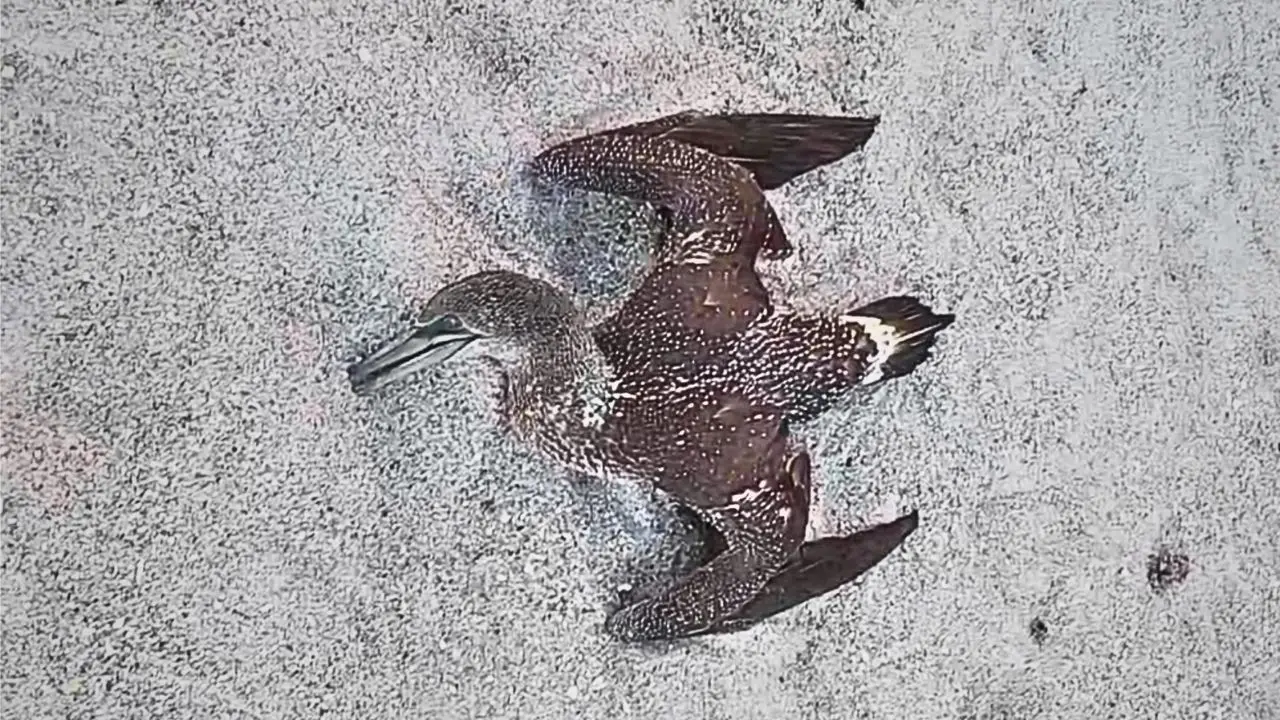
The evidence of the current situation has been documented by concerned locals like Michael Shay, who recorded disturbing footage of multiple dead birds within close proximity on Florida beaches. His videos show lifeless pelicans, seagulls, and gannets scattered across the sand—a sight he described as “very sickening, very disheartening.” These citizen observations have helped alert authorities to the potential scale of the problem and prompted more widespread monitoring of coastal bird populations. The Florida Fish and Wildlife Conservation Commission has responded by acknowledging the situation while reassuring the public that avian flu typically presents low transmission risk from birds to humans. Nevertheless, they’ve advised people to exercise caution by avoiding contact with sick or dead birds until officials can determine the exact nature of the situation.
The concern isn’t limited to coastal areas. In Orlando, approximately 60 miles inland from the Space Coast, city officials are investigating the deaths of at least a dozen swans at downtown Lake Eola Park. Orlando City Commissioner Patty Sheehan addressed the situation during a news conference, suggesting avian influenza could be responsible for these deaths as well, though the cause remains undetermined pending necropsy results. The preservation of the swans’ remains for testing reflects the seriousness with which local authorities are treating these unexplained bird deaths, recognizing the potential public health implications of a confirmed outbreak. The geographic spread from coastal to inland locations raises additional questions about how widely the potential pathogen might have already dispersed throughout the region.
These Florida incidents occur against a backdrop of confirmed avian flu cases in other parts of the United States. According to the U.S. Department of Agriculture’s Animal and Plant Health Inspection Service, nearly 2,000 poultry flocks nationwide have tested positive for avian influenza since 2022. Recent outbreaks have been documented in multiple states including Arkansas, Kansas, Maryland, Nebraska, and New York, affecting commercial poultry operations and backyard flocks alike. These outbreaks have resulted in the loss of more than 128,000 birds collectively, highlighting the economic and agricultural impact of the disease beyond its effects on wild bird populations. The possibility of connection between these confirmed cases and Florida’s situation remains a key question for investigators.
Wildlife experts emphasize that avian influenza represents a complex challenge at the intersection of wildlife conservation, agriculture, and public health. While human transmission remains rare, the rapid spread among bird populations can devastate both wild communities and poultry industries. Florida’s position as a critical wintering ground for migratory birds makes it particularly vulnerable to pathogen introduction from northern regions. As testing continues and results are awaited, authorities remain vigilant, balancing public safety concerns with the need for accurate information. The coming weeks will prove critical in determining whether Florida faces a significant avian flu outbreak or if other factors might explain the troubling pattern of bird deaths along its picturesque coastline. Regardless of the outcome, the situation underscores the delicate relationship between migrating wildlife, changing environmental conditions, and human communities sharing the same ecosystem.