




The Fall of Maduro: America’s Bold Strike Against Venezuela’s “Cartel of the Suns”
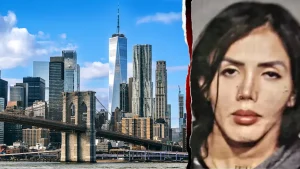
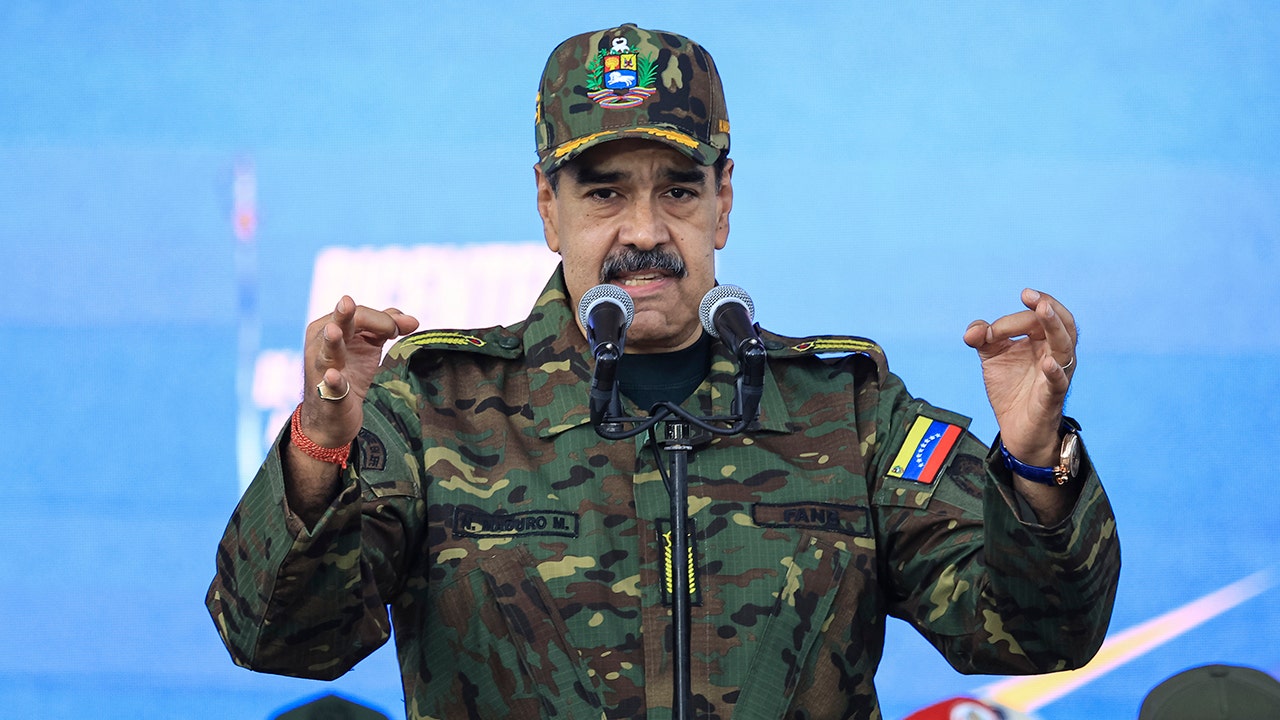
The stunning early-morning arrest of Venezuelan President Nicolás Maduro represents a watershed moment in the United States’ long-running campaign against what officials call the “Cartel of the Suns.” This dramatic operation captured not just Maduro but ensnared his inner circle as well, including his wife Cilia Flores and his son. Federal prosecutors have leveled serious charges against them: narco-terrorism conspiracy, cocaine importation conspiracy, and weapons violations including possession of machine guns and destructive devices. These charges expand upon an original indictment filed in 2020 in the Southern District of New York, with the new sealed case being prepared just last month. The allegations paint a damning picture of Venezuela’s highest office, suggesting that rather than governing a country, Maduro has been operating what amounts to a sophisticated criminal enterprise focused on flooding American streets with cocaine.
At the heart of the American case is the claim that Maduro’s government formed a symbiotic relationship with the Revolutionary Armed Forces of Colombia (FARC), creating a massive cocaine trafficking network. Former Attorney General William Barr didn’t mince words in 2020 when he described the situation: “The Venezuelan regime, once led by Nicolás Maduro Moros, remains plagued by criminality and corruption… For more than 20 years, Maduro and a number of high-ranking colleagues allegedly conspired with the FARC, causing tons of cocaine to enter and devastate American communities.” This partnership allegedly leveraged Venezuela’s strategic position sharing a border with Colombia, the world’s largest cocaine producer. The geography, combined with systematic corruption throughout Venezuela’s government and military, created perfect conditions for transforming the country into what U.S. officials have long considered one of the Western Hemisphere’s largest drug transit hubs. This assessment dates back to 1996, showing how entrenched the problem had become even before Maduro took power.
The breakdown in U.S.-Venezuelan cooperation on drug enforcement accelerated dramatically during the Hugo Chávez era and worsened under Maduro. Back in 2005, Venezuela began actively resisting American counternarcotics efforts, with tensions escalating in 2007 when Venezuelan officials denied visas to U.S. drug enforcement personnel. The relationship deteriorated further in 2008 when Chávez expelled the U.S. ambassador and recalled his own envoy from Washington. Although there was a brief thaw in 2009 when ambassadors were reinstated, Venezuelan officials stubbornly maintained they had no need for American assistance in fighting drug trafficking, insisting their own programs were sufficient. This rejection of cooperation came despite mounting evidence that cocaine shipments through Venezuela were increasing substantially during this period, suggesting that the country’s independent anti-drug efforts were either ineffective or, as U.S. officials suspected, deliberately compromised from within.
Despite being shut out of direct cooperation with Venezuela, the Drug Enforcement Administration (DEA) has persistently worked to dismantle the Cartel of the Suns through various means. In 2018, the Treasury Department’s Office of Foreign Assets Control took the significant step of adding General Padrino Lopez, a key figure in the Venezuelan armed forces, to its Specially Designated Nationals List – effectively cutting him off from the U.S. financial system. Two years later, the Justice Department dramatically escalated its approach by unsealing an indictment against Maduro himself along with 14 alleged co-conspirators, based on extensive DEA investigations. The strategy of targeting high-ranking Venezuelan officials began paying dividends in recent years. Hugo Armando Carvajal Barrios, a top general nicknamed “El Pollo,” recently pleaded guilty to the same charges now facing Maduro. Another co-conspirator, Cliver Antonio Alcala Cordones, also admitted to providing weapons and material support to the FARC. These convictions provided crucial momentum and credibility to the U.S. case against the Venezuelan leadership.
The designation of the Cartel of the Suns as a Specially Designated Global Terrorist organization in 2025 represented another significant escalation in America’s approach to the Venezuelan regime. This designation came amid allegations that Maduro’s organization was providing material support to other notorious criminal groups, including Tren de Aragua and the Sinaloa Cartel. While a subsequent U.S. intelligence assessment involving 18 agencies could not establish direct evidence connecting these cartels, the formal charges against Maduro paint a detailed picture of how he allegedly used his position to enable cocaine trafficking. According to prosecutors, Maduro “provided law enforcement cover and logistical support” to drug traffickers, helping them move narcotics throughout the region using boats and airplanes. The indictment describes a vicious cycle where “narcotics-based corruption lines the pockets of Venezuelan officials and their families while also benefiting violent narco-terrorists who operate with impunity on Venezuelan soil.”
Maduro’s capture represents perhaps the most consequential anti-narcotics operation in recent history, targeting not just any drug lord but the sitting president of a sovereign nation. The arrest sends a powerful message about American resolve to combat narco-terrorism, even when it infiltrates the highest levels of foreign governments. For Venezuelans who have suffered under Maduro’s rule and watched their country descend into economic ruin while the regime allegedly enriched itself through cocaine trafficking, this development may offer a glimmer of hope for genuine change. However, the arrest also creates significant geopolitical uncertainty. With Maduro now in U.S. custody facing serious criminal charges that could result in decades of imprisonment, Venezuela stands at a crossroads, and international observers are watching closely to see whether this dramatic American action will lead to democratic restoration or further instability in a country already devastated by years of political turmoil and economic collapse.