




Iranian Official’s Daughter Ousted from Emory University Amid Public Outcry
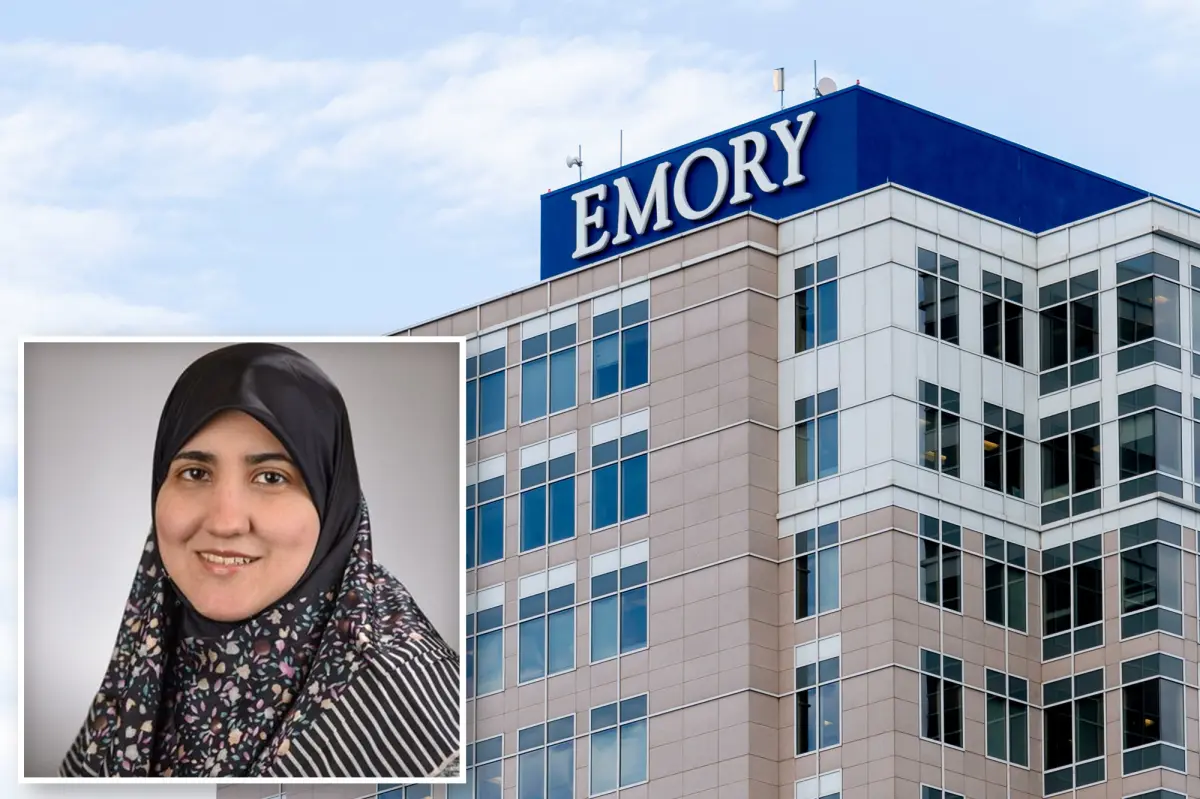
In a significant development that highlights the complex intersection of international politics, immigration, and academic employment, Fatemeh Ardeshir-Larijani has been removed from her position at Emory University’s Winship Cancer Institute following intense public pressure. The university confirmed this weekend that Ardeshir-Larijani, who served as an assistant professor specializing in developmental therapeutics, is “no longer an employee of Emory.” This decision came after mounting criticism over her family connections to the Iranian regime, particularly her father, Ali Larijani, who holds the powerful position of secretary of Iran’s Supreme National Security Council—a regime that has been characterized by its harsh crackdown on protesters and adversarial stance toward the United States.
The controversy surrounding Ardeshir-Larijani’s employment gained substantial momentum when nearly 100,000 individuals signed an online petition calling for her deportation from the United States. The situation escalated further when Iranian-American demonstrators gathered at Emory’s medical center on January 19, carrying protest signs that highlighted her familial connection to Iran’s leadership. The protesters questioned the appropriateness of allowing someone with such close ties to what the U.S. government has designated as “the largest state sponsor of terrorism” to work at a prestigious American institution. Georgia Representative Earl “Buddy” Carter added his voice to the growing chorus of concern, writing formally to both Emory University and the Georgia Medical Board to demand her termination and the revocation of her medical license, citing concerns about “patient safety, public trust, and national security.”
What makes this case particularly striking is the stark contrast between Ardeshir-Larijani’s professional life in America and her father’s role in Iran. While she was building a career at one of America’s respected medical research institutions after reportedly receiving a green card in 2021 under the Biden administration, her father was allegedly involved in oppressive actions against the Iranian people and promoting anti-American sentiment. Ali Larijani has been subject to U.S. sanctions for reportedly being “one of the first Iranian leaders to call for violence in response to the legitimate demands of the Iranian people.” This dichotomy raised uncomfortable questions about America’s immigration policies and the vetting processes for individuals with connections to hostile foreign governments, especially when those individuals gain access to positions funded by American taxpayers.
Throughout this controversy, Emory University maintained that its hiring practices complied with federal law, though they eventually removed Ardeshir-Larijani’s faculty page from their website as pressure mounted. University officials have been notably restrained in their public comments, describing the situation merely as a “personnel matter” and declining requests for additional information. This measured response suggests the delicate balancing act faced by academic institutions when confronted with politically charged employment issues—weighing commitments to academic freedom and non-discrimination against legitimate national security concerns and public perception. The university’s decision to part ways with Ardeshir-Larijani appears to acknowledge the validity of at least some of the concerns raised by critics.
For activists who questioned why the daughter of a high-ranking official from a regime known for its “Death to America” rhetoric was permitted to work at an American institution, this outcome represents a significant victory. Their persistent efforts to draw attention to what they perceived as a troubling inconsistency in American policy ultimately proved effective in bringing about change. The campaign involved not just public demonstrations and petition-signing but also strategic outreach to media outlets and elected officials, demonstrating the potential impact of coordinated advocacy efforts on institutional decision-making. This case may serve as a template for similar campaigns in the future, particularly those focusing on individuals with connections to governments hostile to the United States.
The repercussions of this case extend beyond Emory University. In response to inquiries about this situation, the White House indicated it was “reviewing” the immigration status of Iranians who received benefits during the Biden administration. This suggests potential broader policy implications that could affect other Iranian nationals currently residing in the United States. Meanwhile, former President Donald Trump announced that an American “armada” was headed toward Iran amid ongoing tensions, further highlighting how individual cases like Ardeshir-Larijani’s can become entangled with larger geopolitical dynamics. The intersection of academic employment, immigration policy, and international relations demonstrated in this case underscores the complex challenges faced by American institutions in an increasingly interconnected yet politically divided world.
This case ultimately raises profound questions about the boundaries of academic freedom, the responsibilities of American institutions toward national security, and the ethical considerations involved in employing individuals with close ties to regimes hostile to the United States. While Emory University’s decision resolves the immediate controversy, the broader issues it illuminates—about how America balances its values of openness with legitimate security concerns—remain unresolved. As international tensions continue to evolve, particularly with countries like Iran, American universities and other institutions will likely face similar dilemmas, requiring thoughtful consideration of how to navigate these complex intersections of global politics, personal liberty, and institutional responsibility.