






The Dark Side of Cruising: When Paradise Becomes Perilous
In recent years, cruise ships have remained a popular vacation choice for Americans seeking relaxation and adventure on the high seas. However, beneath the glamorous facade of exotic destinations and all-inclusive luxury, a darker reality has emerged through headline-making crimes that have plagued the industry for decades. Experts suggest that cruise ships create a unique environment where normal societal constraints seem to fade away, potentially encouraging criminal behavior. As forensic psychiatrist Dr. Carole Lieberman explains, “A cruise ship feels like a world unto its own. It feels like you’re on another planet or at least another country, so it seems like there are fewer consequences.” This perception, combined with relaxed inhibitions fueled by vacation mindsets and often abundant alcohol, creates conditions where passengers may act in ways they wouldn’t at home.
The legal complexities surrounding cruise ships further complicate matters when crimes occur. Chicago attorney Andrew Stoltmann points out that “maritime law is extremely complex, and it shifts depending on location.” When a ship is sailing, the laws of whatever country’s flag it flies under apply; when docked, local laws take precedence. This jurisdictional ambiguity creates significant challenges for both reporting and prosecuting crimes. The perception that cruise ships maintain robust security forces often proves false, leaving passengers vulnerable without many of the legal protections they would have on land. Recent headlines have highlighted these dangers, including the mysterious death of Florida teen Anna Kepner and a lawsuit involving a man who allegedly died after being served dozens of alcoholic drinks by cruise staff.
One of the most haunting cruise ship mysteries began in 1998 when 23-year-old Amy Bradley vanished from her family’s Royal Caribbean cruise. The recent college graduate disappeared early one morning as the ship prepared to dock in Curaçao. She had spent the previous evening at the ship’s nightclub with her brother and was last seen asleep on the cabin’s balcony by her father. Within half an hour, she had vanished without a trace. Despite extensive searches, authorities found no sign of her, and the ship continued its scheduled journey. Theories about her disappearance have ranged from accidental drowning to suicide, though the FBI initially found “no evidence of foul play.” Years later, Bradley’s parents received anonymous photographs of a woman resembling their daughter in sexually explicit poses, fueling their belief that she had been kidnapped and forced into sex trafficking. Despite age-progressed photos released by the FBI in 2017, the case remains unsolved, illustrating the challenges of investigating crimes that occur in international waters.
In stark contrast stands the tragic case of Kristy Manzanares, whose 2017 murder aboard the Emerald Princess cruise ship resulted in her husband’s conviction. What began as a family vacation to Alaska ended in horror when Kenneth Manzanares brutally attacked his wife in their stateroom after she requested a divorce. The couple’s daughters and in-laws witnessed parts of the violent assault, with Kenneth attempting to throw his wife’s body overboard before being stopped. According to court documents, when confronted about the blood-soaked scene, he chillingly stated, “She would not stop laughing at me.” In 2020, Kenneth Manzanares pleaded guilty to second-degree murder and received a 30-year prison sentence, though he died in custody just weeks later. Unlike many cruise ship incidents, this case resulted in clear criminal charges and a conviction, perhaps due to the presence of multiple witnesses and the ship’s proximity to U.S. waters during the crime.
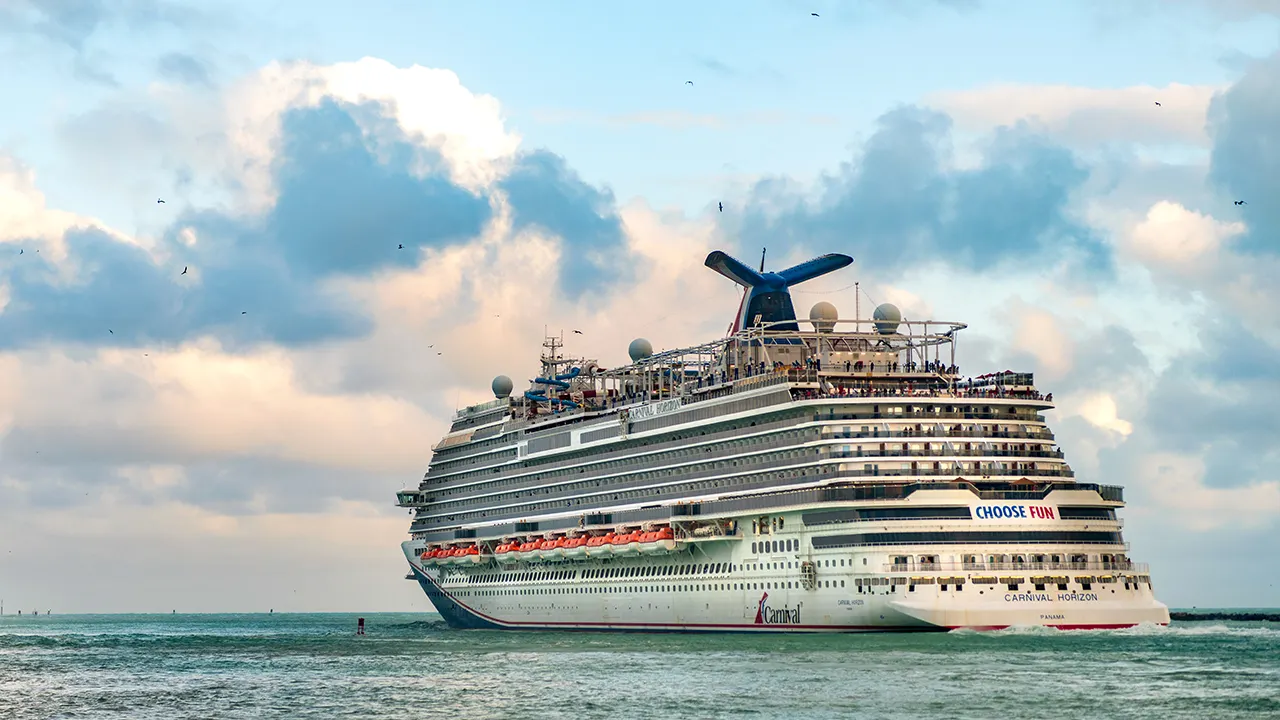
More recently, the cruise industry faced renewed scrutiny following the November 2023 death of 18-year-old Anna Kepner aboard the Carnival Horizon. The Florida high school senior was found dead in her family’s cabin, her body hidden under a bed and covered with life jackets. Medical examiners determined she died from mechanical asphyxiation and ruled her death a homicide. While no arrests have been made, court documents suggest investigators are focusing on Kepner’s 16-year-old stepbrother, with whom she shared the cabin along with her 14-year-old brother. Friends and relatives have come forward with disturbing accounts of the stepbrother’s previous behavior toward Kepner, including an incident where her ex-boyfriend witnessed the stepbrother entering her bedroom in the middle of the night without permission. Despite these allegations, the investigation continues more than a month after her death, highlighting the challenging nature of pursuing justice for crimes at sea.
Another troubling case emerged in December 2023 when 35-year-old Michael Virgil died aboard Royal Caribbean’s Navigator of the Seas under circumstances that have prompted a wrongful death lawsuit. According to court documents, Virgil was allegedly served at least 33 alcoholic drinks through the cruise line’s “Deluxe Beverage Package” shortly after boarding. As his intoxication increased, Virgil reportedly became agitated while trying to locate his family’s cabin. The situation escalated when security personnel tackled and restrained him, with crew members allegedly administering a sedative and using pepper spray to subdue him. Virgil died shortly thereafter, with a medical examiner ruling his death a homicide caused by “combined effects of mechanical asphyxia, obesity, cardiomegaly and ethanol intoxication.” His family’s attorney, Kevin Haynes, expressed alarm at the “incredibly alarming number of serious injuries and fatalities on cruise ships,” calling for systemic changes in industry operations. These cases collectively highlight the potential dangers lurking beneath the surface of what many consider dream vacations, raising serious questions about safety, accountability, and justice in the international waters where cruise ships operate.