






Detroit’s Car Theft Crisis: Vehicles Vanishing to the Middle East
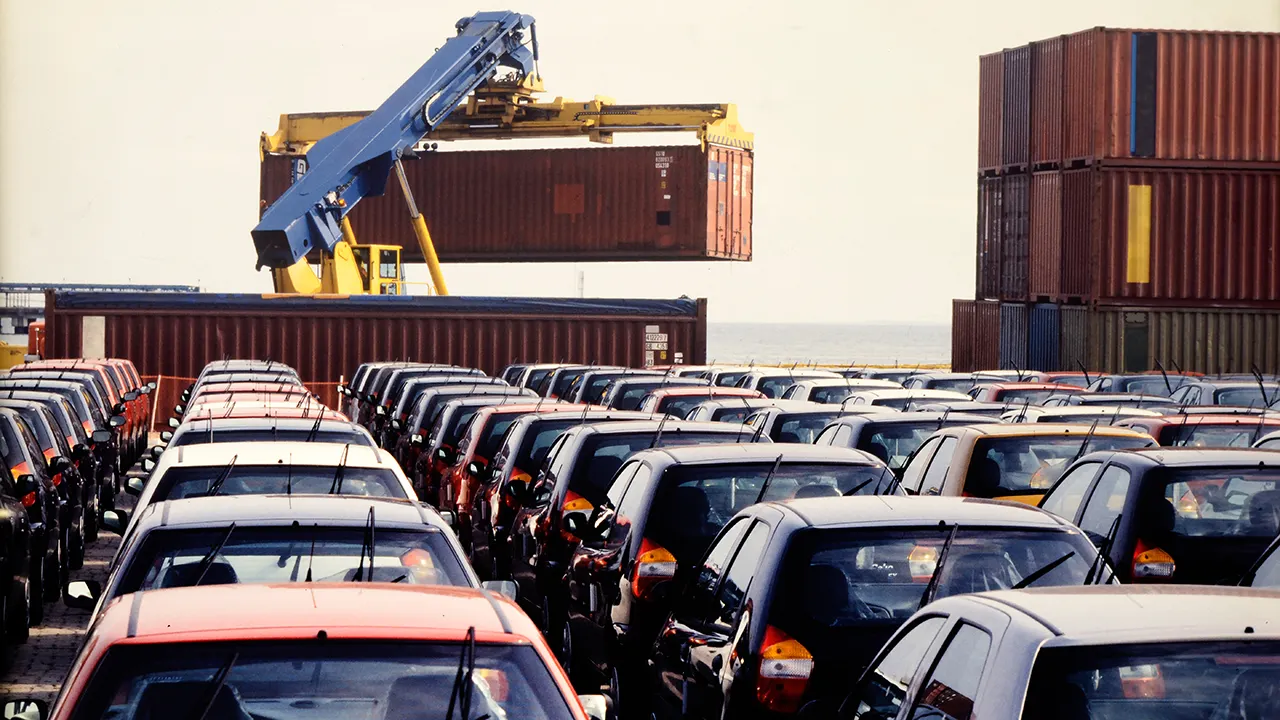
In Detroit, Michigan, a disturbing trend has emerged as international crime rings systematically steal vehicles and ship them overseas, primarily to Middle Eastern countries like Iraq and Dubai. This sophisticated criminal enterprise has alarmed law enforcement officials who are working tirelessly to dismantle these operations. The scale of the problem came into sharp focus last September when federal prosecutors indicted eight men for allegedly running a car theft and international smuggling operation throughout the Detroit metropolitan area. According to the 12-count indictment, the suspects coordinated deliveries of stolen vehicles to industrial lots across Detroit, where they would pack multiple stolen cars into shipping containers and transport them to port cities by freight or rail. From these ports, the containers would be shipped overseas, completing a criminal pipeline that has victimized hundreds of vehicle owners.
The operation exposed in September represents just the tip of the iceberg in Michigan’s growing vehicle theft crisis. In 2023, the state recorded 28,408 reported cases of motor vehicle thefts—a 4.1% increase from the previous year and a staggering 48.4% spike compared to the five-year average. Detroit’s position as a port city makes it particularly vulnerable to these crimes. As Kyle McPhee, a stolen vehicle identification specialist and retired detective sergeant with the Michigan State Police, explained, “You can put something in a shipping container, and it can be at a port in no time.” This geographical advantage has made Detroit an attractive hub for organized crime groups specializing in vehicle theft and international trafficking.
What’s especially troubling about this criminal trend is how organized crime groups have adapted their tactics, often recruiting juveniles to carry out the actual thefts. “They’ll pay juveniles very little to go out and bring these vehicles back to wherever they’re going to cool them off,” McPhee noted. The criminals deliberately exploit minors because they face less severe legal consequences if caught. Once the juveniles deliver the stolen vehicles, more experienced criminals take over—removing tracking devices, sometimes disassembling the cars to disguise them as “auto parts” in shipping manifests, and managing the logistics of international transport. The sophistication of these operations suggests strong connections between local criminal enterprises in Detroit and overseas criminal networks, particularly in the Middle East.
The sheer volume of shipping containers passing through American ports creates a perfect cover for this illicit trade. Criminals frequently falsify shipping manifests, labeling containers filled with stolen vehicles as “household goods” or other innocuous cargo. “They might have five cars in there and two mattresses,” McPhee described. Despite technological advances like backscatter machines and X-rays that can peer inside containers, the enormous number of shipments—”a million shipping containers on some of these ports”—makes comprehensive inspection virtually impossible. This vulnerability in port security has created an opportunity for criminal organizations to exploit the system, moving stolen vehicles out of the country with relative ease before authorities can intervene.
In response to the alarming rise in auto thefts, Michigan officials established the Auto Fraud Task Force (AFTF) earlier this year. This specialized unit combats both auto insurance fraud and large-scale criminal auto theft operations by coordinating efforts across various law enforcement agencies throughout Metro Detroit. The task force represents a crucial step in addressing a crime that has significant financial and emotional impacts on Michigan residents. As Michigan Attorney General Dana Nessel stated, “With the rise of auto thefts across our communities, expanding the Auto Fraud Task Force is an important step to strengthen our fight against both vehicle theft and insurance fraud, crimes that impact far too many Michigan residents each year.”
While law enforcement continues to make progress—as evidenced by the recovery of over 350 stolen vehicles through recent operations—the underlying motivation behind these criminal enterprises remains unchanged: profit. “The one key connection is somebody’s getting paid,” McPhee emphasized. “There’s money to be made.” In today’s interconnected world, local criminal groups can easily establish relationships with international networks, creating global criminal enterprises that operate across continents. The internet has facilitated these connections, allowing criminals from Detroit to coordinate seamlessly with partners in the Middle East and beyond. As authorities race to recover stolen vehicles before they disappear into shipping containers bound for overseas ports, they face the daunting challenge of disrupting not just individual thefts, but sophisticated criminal ecosystems that span the globe—all driven by the promise of substantial financial gain at the expense of everyday Americans.