





In the quiet aftermath of a tragic event at a Rhode Island ice rink, we grapple with the complex story of Robert Dorgan, a 56-year-old transgender man who identified as Roberta Esposito. On a Monday afternoon, during a high school hockey game, Robert entered the stands and unleashed terror, fatally shooting his ex-wife and one of his sons before injuring three others—a heartbreaking act that ended with him taking his own life. His journey seemed marked by deep personal turmoil, from gender reassignment surgery in 2020 to a life filled with verbal venom online. As we piece together his world, it’s impossible not to feel the weight of lost lives and fractured families, reminding us how isolation can consume someone.
Robert’s social media presence, particularly on X, painted a picture of a man grappling with rage and identity. He poured out thousands of posts railing against perceived anti-trans hatred, often in raw, unfiltered outbursts that echoed his pain. For those who knew him or followed him, he came across as someone crying out for understanding, yet twisted by resentment. His interactions showed a desperate need for validation, defending his trans identity against a world he saw as hostile—a human struggle that now underscores the loneliness that can drive people to the edge.
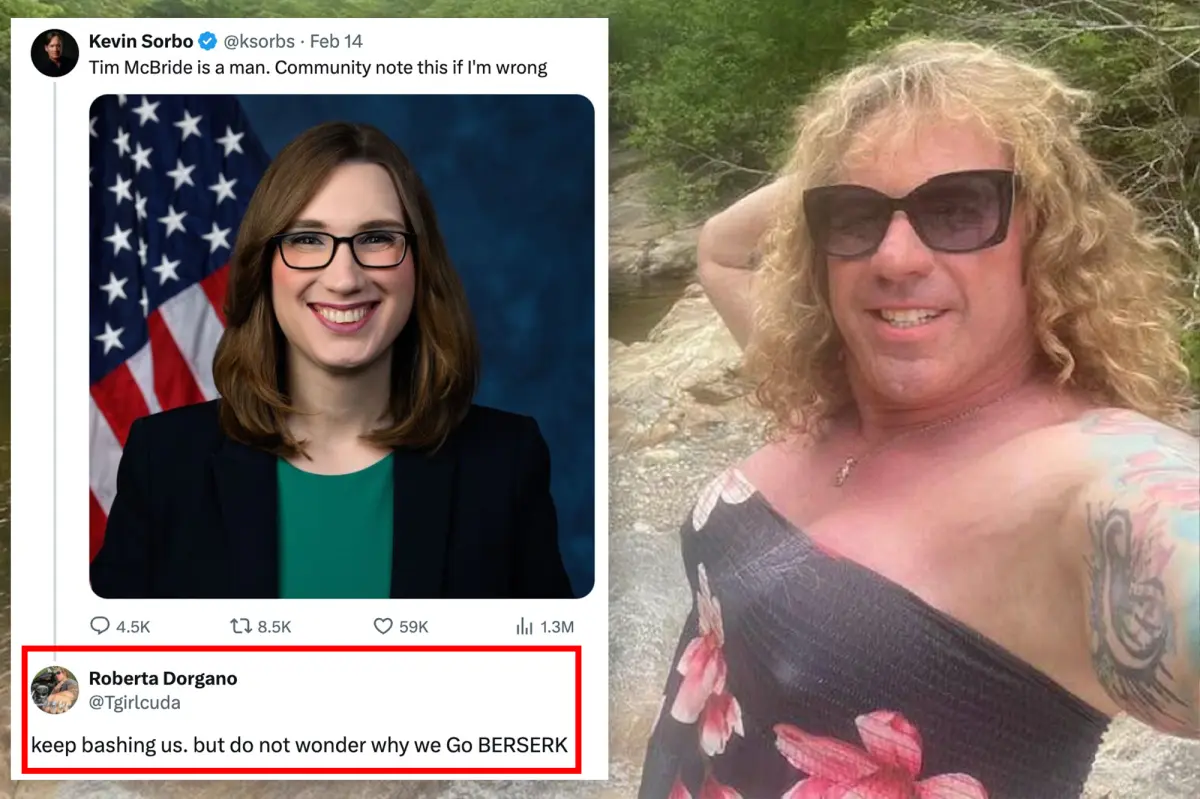
Diving deeper into his posts, Robert’s rhetoric veered into darkness, revealing a troubling ideology. Just a day before the shooting, he hurled an ethnic slur at an Asian creator of a song in a video praising Adolf Hitler, whispering of hatred that spanned continents. He often reposted nods to “white power” and shared images of Nazi salutes, merging his personal grievances with extremist views. In one ominous warning to a user slamming trans figures like Rep. Sarah McBride, he ominously wrote, “Keep bashing us. But do not wonder why we Go BERSERK.” These words now chillingly foreshadow the violence, inviting us to reflect on how online echo chambers can amplify despair into action.
The shooting itself was a family’s nightmare unfolding in public: relatives settling in to watch a game, only to face a gunman’s fury. Robert fatally struck his son and the boy’s mother—his ex-wife—who had reasons a mile long for parting ways.Three others, including more kin and a friend, were critically hurt, their futures hanging by a thread. In the chaos of that ice rink, we see lost dreams and irreparable bonds, a tragedy that begs questions about mental health support that could have made a difference.
Years before, tensions simmered in Robert’s domestic life. His ex-wife, Rhonda, had filed for divorce in 2020 citing his gender surgery and what she described as narcissistic traits—a painful split finalized in 2021 amid court battles over identity. These disputes hint at a home life torn by misunderstanding and conflict, where love soured into disdain. It’s a stark reminder of how personal transformations can fracture relationships, leaving wounds that fester long after the paperwork.
In the shooting’s wake, a daughter, spotted leaving the station, broke down to reporters: her father had severe mental health issues, she said, calling him “very sick.” In anguish, she recounted, “He shot my family and he’s dead now.” Her words humanize the heartbreak, pleading for compassion amid the horror. As investigators search for motives, we mourn the unseen battles—internal struggles that isolate and destroy, urging us to reach out before it’s too late. This story, woven with loss and regret, invites empathy for the vulnerable, hoping for a world where help arrives sooner.