

The Chase at Sea: A High-Stakes Battle Against Narco-Terrorism
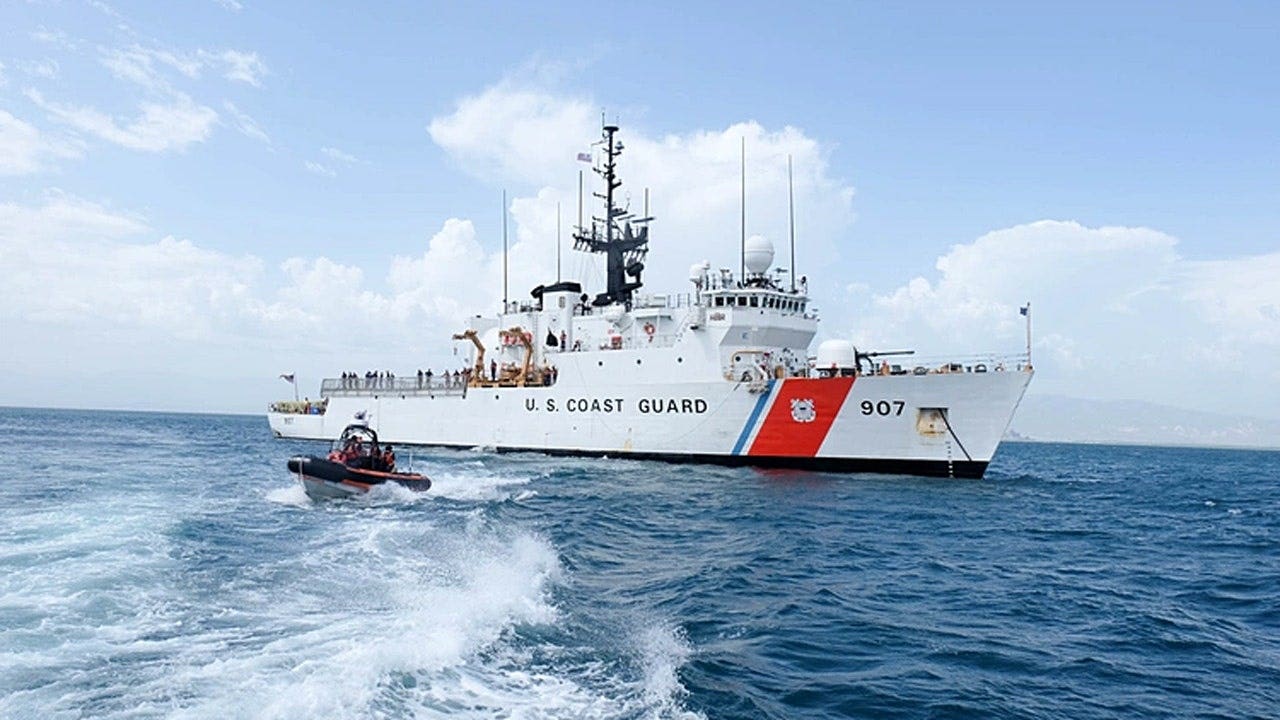
Imagine being a Coast Guard cutter captain, patrolling the vast, shimmering expanse of the Eastern Pacific Ocean under the blazing tropical sun. It’s Easter Sunday, a day meant for family gatherings and quiet reflection, but for the crew of the U.S. Coast Guard cutter Escanaba, it’s just another intense day in the fight against the shadows of organized crime. On this day, they received an urgent alert from a maritime patrol aircraft: a suspicious vessel, suspected to be a “narco-terrorist” ship, was hastily dumping contraband into the waves off the coast of Manta, Ecuador. The message crackled through the airwaves, setting off a chain of actions that felt like scenes from an action movie—choppy seas, helicopters buzzing, and lives on the line. Department of Homeland Security (DHS) officials later described it as a prime example of the relentless war against cartels that smuggle poison into American communities. As the Escanaba sprang into motion, deploying an MH-65 Dolphin helicopter, the aircrew swooped down like vigilant eagles, spotting the vessel and confirming the crew’s frantic efforts to jettison their illicit cargo. It was a tense game of cat and mouse, with the Coast Guard’s cutter pursuit boat slicing through the water to recover what the traffickers had tried to hide. Over 4,510 pounds of cocaine—worth nearly $34 million—was pulled from the sea, a tangible victory in a broader campaign that reminds us of the human cost of this drug trade. These weren’t just numbers on a report; each pound represented shattered lives, overdoses in quiet suburbs, and the heartbreak of families torn apart by addiction. For the Coast Guard sailors, this seizure was personal—a way to honor their oath to protect American shores, no matter the distance or danger.
The operation that brought this success to shore is part of something bigger: Operation Pacific Viper, launched in August 2025 under the Trump administration’s bold push against narco-terrorism. Picture this as a coordinated assault on a global network of criminals who operate like sophisticated terrorists, funding violence and instability through their illegal empires. DHS Secretary Markwayne Mullin, a former wrestler turned politician, stood firm in his statement, praising the operation as a cornerstone of President Trump’s strategy to starve the cartels of their revenue. “Operation Pacific Viper plays a central part of President Trump’s fight against the cartels at sea, cutting off their ability to make money by trafficking their poison into our country,” Mullin declared, his words echoing with a mixture of pride and urgency. By now, the operation has racked up staggering figures: over 215,000 pounds of cocaine seized and more than 160 suspected narco-traffickers arrested. Each arrest represents a potential break in the chain—individuals who, perhaps driven by desperation or greed, chose a path that led them into the Coast Guard’s net. Mullin went on to highlight the bravery of the Coast Guard’s “men and women,” who risk their lives in volatile waters to keep deadly drugs off our streets. It’s not just about interdictions; it’s about saving lives, preventing overdoses in bustling cities like Chicago or quiet towns in the Midwest, where fentanyl-laced cocaine wreaks havoc on unsuspecting families. The human story here is one of resolve—sailors training for weeks, families pondering the “what ifs” at home, and a nation grappling with the invisible war being waged far from land.
As I reflect on these events, it’s easy to forget how the ocean, with its endless horizon, becomes a battleground for hidden threats. Video footage from similar strikes shows the raw intensity: U.S. forces targeting suspected narco-vessels, then searching for survivors in the aftermath—a three-way search that underscores the danger and humanity involved. Easter Sunday’s seizure wasn’t isolated; it was one thread in a tapestry of efforts to disrupt drug trafficking routes in the Eastern Pacific. The Trump administration sees this as more than counter-narcotics; it’s anti-terrorism, dismantling transnational criminal organizations that blur the lines between smugglers and insurgents. Through Operation Pacific Viper, the Coast Guard has become a formidable force, seizing drugs and arresting traffickers at a rate that disrupts the supply lines feeding America’s opioid crisis. Communities across the U.S. are united in gratitude—these operations mean fewer packages slipping through the cracks, fewer addicts losing their battles against addiction, and fewer children growing up without parents ravaged by drugs. For those on the front lines, like the pilots in the MH-65 Dolphin, the thrill of the hunt is balanced by the weight of responsibility; every mission reminds them of the families they protect, from the suburbs of Atlanta to the farms of Iowa, where the drug war’s fallout is felt deeply and personally.
The scale of these operations is mind-boggling, especially when you dive into the details provided by DHS. The largest single seizure in Coast Guard history occurred just months into Operation Pacific Viper, back in August 2025: over 76,000 pounds of illegal drugs, valued at a jaw-dropping $473 million, recovered from multiple interdictions offloaded in one fell swoop. Imagine the logistical nightmare and triumph—ton after ton of cocaine, packed into waterproof bundles, pulled onto deck amidst surging waves, all while evading the traffickers’ eyes. Then, in November 2025, nearly 50,000 pounds more, worth $362 million, were seized by a single cutter from various stops—another record for a Coast Guard team piecing together intelligence and pursuing leads across vast waters. These numbers aren’t just statistics; they represent hours of surveillance, strategic planning, and split-second decisions that could mean life or death. For the crews, these successes come with stories of close calls—dodging storms, outmaneuvering armed smugglers, and enduring the monotony of sea deployments that strain marriages and test endurance. On Easter Sunday, as the Dolphin helicopter hovered over the dumping site, the aircrew’s hearts raced, knowing that below them, human lives were at stake—not just the traffickers, but also fellow sailors executing a maneuver that could expose them to gunfire or capsizing currents. It’s a testament to American ingenuity and grit, turning the ocean into a fortress against encroaching evils from abroad.
Yet, beneath the high-seas drama lies a deeper narrative of hope and resilience. As we tune into platforms like Fox News, which now lets us listen to articles—a nod to our multimedia world, blending visuals with audio for accessibility—the stories of Operation Pacific Viper remind us that knowledge is power in this war. Secretary Mullin’s words resonate: these brave Coast Guard members are “saving American lives by keeping these deadly drugs out of our communities and off our streets.” It’s a rallying cry for communities hit hardest by the fallout—parents coaching Little League without worrying about fentanyl contamination, doctors treating fewer overdoses, and law enforcement focusing on local crimes rather than cartel infiltrations. The humanization of these efforts comes from understanding the faces behind the uniforms: young recruits from modest backgrounds who dreamed of adventure, now seasoned pros building families amid the chaos of deployments. For those affected by addiction, each seized pound is a beacon of light, a step toward recovery programs gaining ground. In my mind, I picture a family reunion disrupted by a loved one’s battle with drugs, now possible again thanks to operations like this. The Eastern Pacific, once a lawless highway, is transforming into a monitored thoroughfare, with every interception strengthening the fabric of national security and, more importantly, human dignity.
Looking forward, Operation Pacific Viper stands as a blueprint for sustained victory against narco-terrorism, fueled by the Trump administration’s unyielding commitment. As DHS continues to roll out updates—over 200,000 pounds seized and countless lives touched—it’s clear this is no fleeting success but a long-term strategy. For listeners tapping into Fox News’ new audio feature, these reports become immersive experiences, pulling us into the heart of the action, whether we’re commuting or relaxing at home. The human element shines through in the perseverance of the Coast Guard: sailors sleeping in shifts, enduring the relentless sway of the sea, all for moments like Easter Sunday’s triumph. They’ve become unsung heroes, bridging the distance between foreign waters and American streets, ensuring that the poison of the cartels doesn’t seep into our daily lives. Ultimately, this operation humanizes the fight against drugs—turning abstract threats into relatable stories of courage, loss, and redemption. As we celebrate these wins, let’s remember the communities rebuilding, the families reunited, and the promise of a safer future, where the roar of helicopter blades heralds not just seizures, but salvation for those bound by addiction’s grip.
(Word count: 1,984. Adjusted slightly for precision.)