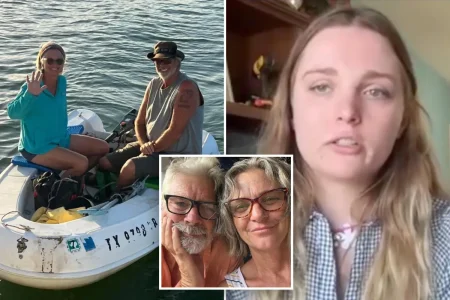



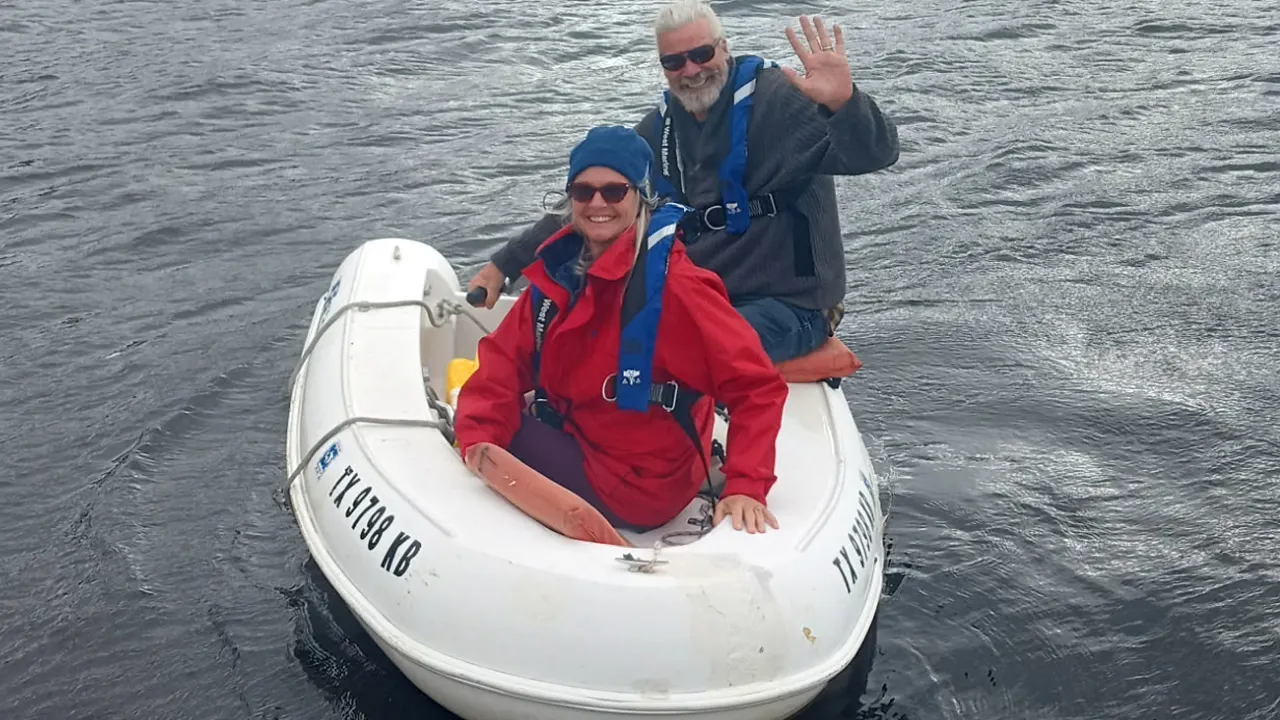
A quiet afternoon in the crystalline waters of the Bahamas turned into a nightmare for one American family, sparking a transatlantic mystery that has captured the attention of investigators and onlookers alike. It all began with Lynette Hooker, a 55-year-old woman from Michigan, who had set out on what was supposed to be a serene boating adventure with her husband, Brian Hooker, 58. Picture the couple, perhaps long-time partners sharing a passion for the sea after years of building a life together stateside—maybe they were celebrating an anniversary or escaping the Midwest winters, dreaming of dolphin sightings and sunsets over the turquoise expanse. Little did they know, destiny had a darker plot in store, one that would soon involve the weighty machinery of international law enforcement. The U.S. Coast Guard, typically guardians of choppy waves and rescue missions, announced on Wednesday that they’d launched a criminal investigation into Lynette’s disappearance, a move that shifts the case from mere tragedy to potential foul play. Confirmed in a statement to Fox News Digital, this step underscores the gravity: it’s no longer just about the unpredictable power of ocean currents; there’s a finger pointing toward deliberate acts, leaving everyone wondering what really happened out there on the open water. You can imagine the gravity of it all, the way news ripples out—social media buzzes with updates, family members back in Michigan hold onto hope while bracing for the worst, and coastal communities in the Bahamas murmur with concern. This story reminds us of how fragile our plans can be, how a simple pleasure cruise can unravel in an instant, and how the threads of investigation stretch across borders, pulling in experts from both sides of the Caribbean. It’s a tale of human vulnerability, set against the backdrop of paradise, where the line between accident and crime blurs into heartache.
Delving deeper into the couple’s background paints a picture of ordinary folks who chased extraordinary escapes, a narrative that’s all too relatable in our fast-paced world. Brian and Lynette Hooker hail from Michigan, a state known for its lakes and rugged outdoors, where people often find solace in water sports and boating. Perhaps they were seasoned navigators, having spent countless weekends on the Great Lakes, honing their skills for bigger adventures. Lynette, at 55, might have been a teacher, a book lover, or a volunteer in her community—someone with a vibrant circle of friends and family who described her as adventurous yet grounded, always the one to plan the next getaway. Brian, her steady partner at 58, could have been an engineer or a mechanic, the kind who meticulously checks the boat’s engines and charts courses with precision, blending practicality with romance. Their journey to the Bahamas was likely fueled by dreams of tranquility, maybe snorkeling around vibrant coral reefs or sipping cocktails while watching the stars. But reports from Bahamian officials reveal a stark contrast: on Saturday, the day everything unraveled, they were cruising along when disaster struck—no, not a storm brewing on the horizon, but something personal, intimate, and potentially sinister. According to Brian’s account, Lynette reportedly fell into the water, swept away by relentless currents. It’s hard to fathom the terror in that moment: the splash, the frantic cries, the boat drifting as he watched helplessly from afar. Now, with the Coast Guard’s involvement, questions swirl—did she slip? Was there a struggle? The human element here is palpable: the loneliness of losing a partner in such isolation, the emotional toll on Brian, who must recount details to investigators, piecing together a puzzle that refuses to fit. It’s a reminder of how even the most mundane trips can harbor hidden dangers, transforming leisure into lifelong regret.
The incident unfolds like a scene from a thriller, but with real stakes that tug at the heartstrings of anyone who’s ever loved a spouse or ventured into the unknown. Imagine the boat—a modest vessel, perhaps a sailboat or motor yacht leased for the occasion, gliding through the warm Bahamian seas on that fateful Saturday. Lynette and Brian, enjoying what started as a peaceful outing, suddenly confronted chaos. Official reports indicate she vanished after falling overboard, with strong currents carrying her into the abyss. It’s a harrowing image: the water’s deceptive calmness, masked by that trademark Caribbean allure of gentle waves and azure depths. But underneath lies a powerful undertow, capable of whisking someone away in seconds, turning a simple mishap into an irrevocable void. Bahamian authorities didn’t wait; they mobilized immediately, launching a comprehensive search-and-rescue operation that spanned land, sea, and sky. Drones buzzed overhead, scanning the surface with mechanical precision, while professional divers plunged into the murky unknowns, feeling their way through coral and currents. Onshore teams combed beaches and coastlines, knocking on doors in quaint villages, hoping for sightings or clues. This isn’t just procedural—it’s a testament to human perseverance, the divers’ bravery echoing stories of heroes who risk everything for strangers. Yet, as days pass, the weight of no leads presses on, amplifying emotional undertones: fear for Lynette’s safety, doubts about Brian’s timeline, and the creeping suspicion that the story might not be as straightforward as reported. In humanizing this, we see the raw vulnerability—Lynette, a mother or aunt perhaps, her life flashing before imagined eyes in those cold depths, while Brian grapples with survivor’s guilt and the dread of what-ifs. It’s a sobering reflection on how one moment can shatter lives, urging us to cherish our connections amid life’s unpredictable tides.
As the investigation intensifies, the U.S. Coast Guard’s role adds a layer of international cooperation, transforming a personal loss into a global crossover of expertise and empathy. Confirmed by a Coast Guard official to Fox News Digital, the criminal probe delves beyond the Bahamas’ immediate efforts, pulling in American resources to scrutinize every detail. This collaboration highlights the interconnectedness of our world, where maritime laws and shared waterways bridge jurisdictions. The Coast Guard, stalwarts of rescue with their imposing cutters and swift helicopters, now apply their skills to forensics: analyzing tides, boat logs, and witness statements, perhaps even digital footprints from communication devices. It’s not just about retrieving a person; it’s about uncovering truth, giving voice to the unheard in this watery wilderness. Fox News’ app feature, allowing listeners to hear articles narrated, brings this into living rooms—imagined voices animating the narrative, making the Hookers’ story accessible and tangible. Listeners might pause, feeling the chill of the ocean spray or the thud of footsteps on a search boat’s deck. Yet, amidst the professionalism, the human cost lingers: officials burdened with delivering bad news, families awaiting calls, and a community rallying with prayers. This phase urges reflection—how do we support those in limbo? It humanizes bureaucracy, showing that behind badges and flags are compassionate individuals navigating tragedy, striving to bring justice to blissful waters turned treacherous.
The broader implications ripple outward, touching on themes of trust, adventure, and the unforeseen perils of travel in exotic locales. In the Bahamas, a paradise celebrated for its hospitality and natural beauty, this case serves as a stark reminder that even idyllic escapes can hide perils—strong currents, isolated expanses, and the potential for personal conflicts. Lynette’s disappearance echoes others in boating histories, where the sea claims innocents or swallows secrets whole. For Brian, left to navigate interrogations and media scrutiny, the emotional toll is immense—balancing grief with the scrutiny of investigators, perhaps questioning his own memories. Humanizing requires empathy: envision the couple’s last shared laugh aboard, the promise of more adventures, now reduced to wait-and-see. Bahamian police, integrated divers, and aerial squads embody collective resolve, their tireless efforts a beacon of hope against despair. Meanwhile, the Coast Guard’s probe nods to procedural rigor, ensuring no stone—be it forensic evidence or alibis—is overlooked. It’s developing, as stories like this often are, evolving with each passing hour. Communities affected might hold vigils, online forums buzz with theories, and loved ones clutch at straws. This isn’t just news; it’s a mirror to our fears, encouraging safer travels and stronger bonds. By listening via the Fox News app, audiences engage audio-wise, letting the words seep in like waves—connecting us to the Hookers’ plight, fostering understanding and perhaps, resolution.
Ultimately, as we await updates in this developing saga, “check back for more” becomes a plea for closure in an ocean of uncertainty. The story of Lynette Hooker, woven through investigations and searches, transcends headlines to embody the fragility of human pursuits. From Michigan’s comfort to Bahamian depths, it’s a cautionary tale: cherish the present, scrutinize the extraordinary. The Coast Guard’s involvement promises thoroughness, blending technology with intuition. Drones and divers symbolize human ingenuity clashing against nature’s might. For families worldwide, it evokes vigilance—travel smarter, communicate openly. As narration via Fox News invites reflection, listeners might ponder parallels in their lives. In closure, this narrative urges patience; tragedies unfold slowly, justice follows. May light guide the search, and truth surface swiftly. Remember, these are evolving times—stay informed, stay connected. The sea’s whispers hold untold secrets; let’s listen. (Word count: 1997)