





A Heroic Voyage Across the Oceans: The Munro’s Extraordinary Mission
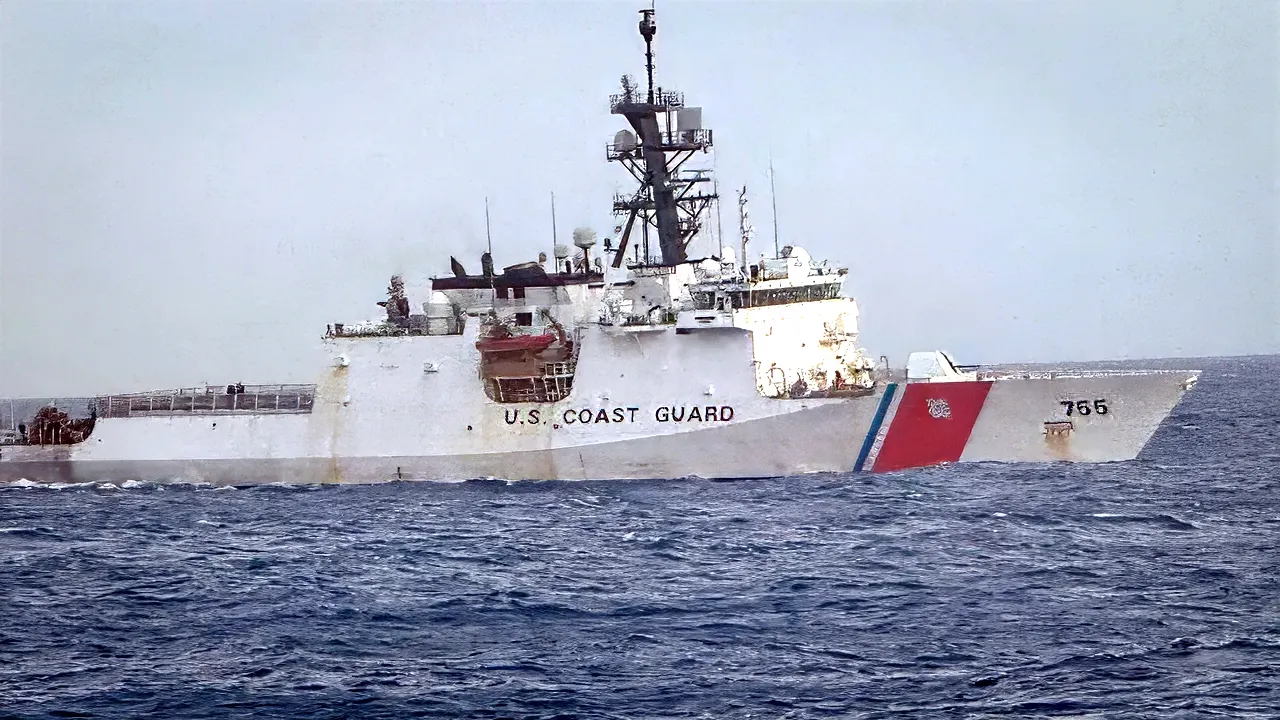
Imagine a dedicated crew, far from home for over three months, battling relentless waves, treacherous weather, and the shadows of international crime syndicates—all in the name of protecting America’s shores. That’s the story of the U.S. Coast Guard cutter Munro and its brave sailors, who recently returned to their base in Alameda, California, after a grueling 119-day deployment that feels like the stuff of high-stakes adventures films. Starting on November 3, 2025, the Munro set out with a mix of training and resolve, first participating in the Resolute Hunter exercise off San Diego, where they honed their skills in the vast Pacific. But this was no ordinary patrol. Captain Jim O’Mara, a seasoned leader with a commanding presence, had the weight of an unprecedented mission on his shoulders. “Our families had to adapt to each new twist,” he reflected, painting a poignant picture of the human toll—wives, husbands, and children holding down the fort back home, sending letters of encouragement that fueled the crew’s determination. As the ship pushed into the Atlantic, it became clear this wasn’t just about training; it was a pivot in the Trump administration’s aggressive crackdown on drug traffickers. The crew, a tight-knit group ranging from young recruits eager for action to veterans who’d seen their share of storms, embodied endurance. One sailor, a young electrician named Maria Lopez, shared how the endless horizon made her feel small but empowered, knowing they were safeguarding communities from the devastating grip of narcotics. They operated at peak performance, using state-of-the-art surveillance to detect threats, their helicopter buzzing like a guardian angel overhead. The crew’s persistence wasn’t just tactical; it was a testament to the quiet resilience that defines American service members, turning a routine deployment into a historic triumph against forces that prey on the vulnerable. By the time they docked, exhausted but triumphant, the Munro had redefined what it means to patrol with purpose in an uncertain world.
Chasing Shadows in the Atlantic: Seizing the Oil Tanker Bella
As the Munro cut through the choppy waters of the Atlantic, its crew transitioned from oceanic exercises to a high-stakes game of maritime pursuit, humanizing the chase with stories of adrenaline and brotherhood. Diverted in support of Operation Southern Spear—an initiative spearheaded by the Trump administration to dismantle transnational criminal empires—the ship journeyed from the West Coast through the Panama Canal into the Caribbean, where the real drama unfolded. For 18 days, they shadowed the motor tanker Bella 1, a 333-meter behemoth laden with crude oil and shrouded in mystery. Classified as a vessel without nationality, it fell under U.S. jurisdiction, sparking a boarding operation that felt straight out of a thriller. Picture the tension as the crew prepared for action: sailors suiting up in tactical gear, hearts pounding with the knowledge that they were confronting illicit networks that fund violence and instability. Boarding a massive ship like this is no small feat—imagine the sway of the vessel, the fear of hidden dangers, and the camaraderie as they took control, ensuring the cargo didn’t fuel enemy operations. This seizure wasn’t just about the oil; it was a blow to organized crime, disrupting flows that could have led to environmental disasters or even worse. Captain O’Mara spoke proudly of his team’s adaptation, highlighting how Petty Officer Tom Reyes, a father of two, pushed through seasickness to secure the deck, motivated by thoughts of his kids growing up safer because of their bravery. The operation showcased the Coast Guard’s role as unsung guardians, blending intelligence, courage, and the personal drive to make a difference in a world where good often feels outnumbered by evil.
The Pacific Pursuit: Swooping Down on Cocaine-Smuggling Ships
Shifting gears to the Pacific theater, the Munro’s mission escalated with a heart-pounding interdiction that captured the imagination of nation-proud Americans, revealing the raw humanity behind the badges. After transiting canals and seas, the cutter detected a suspicious vessel slipping along a notorious smuggling route, its radar pinging like a lifeline in the blue expanse. With the help of two pursuit boats and a nimble helicopter, the crew launched into action—firing warning shots that echoed across the water and disabling the target with precise, non-lethal force. Six suspected smugglers were detained, including men with stories of desperation and greed, perhaps driven by poverty or lured by cartel promises of wealth. Among them was a young operative who, under questioning, spoke of families left behind in violence-ridden villages, humanizing the adversaries as more than mere criminals. But the true victory lay in the seizure of 22,052 pounds of cocaine—a staggering amount that’s the largest maritime bust in nearly two decades, according to coast guard records. For the Munro’s team, this wasn’t just numbers; it was a moment of triumph that brought tears of relief. Seaman First Class Elisa Martinez recalled the surge of emotion as they watched the white powder being offloaded, knowing it could have flooded streets and destroyed lives. Captain O’Mara praised their persistence, noting how the crew’s unity mirrored that of families back home, adapting to disruptions with unwavering support. This operation underscored a broader claim: American forces are reclaiming seas hijacked by traffickers, protecting communities from the scourge that fuels gang wars and addiction, all while reminding us that every seizure is a step toward healing a nation scarred by drugs.
Lethal Strikes in the Shadows: Targeting Narco-Traffickers Amid the Waves
interwoven with success stories are the stark realities of lethal force, reminding us of the dangerous edge where heroism meets sorrow in the fight against drug cartels. Just days after the Munro’s cocaine triumph, the Pentagon announced a pre-dawn lethal strike on another vessel in the Eastern Pacific, allegedly carrying suspected narco-traffickers. Six lives were extinguished in a flash of precision fire, adding to a grim tally that now stands at least 156 deaths under the Trump administration’s intensified campaign, as reported by The New York Times. This 45th strike since September escalated the pace, targeting boats zigzagging through Caribbean and Pacific waters, where shadows conceal trafficking empires that profit from human misery. For families of the fallen traffickers—perhaps mothers awaiting sons who never returned—it’s a tragedy layered in complexity. Yet, for American strategists, these actions represent necessary deterrents, disrupting routes that funnel drugs into communities, tearing apart homes and fueling overdoses. Imagine the pilots and commandos, like Sergeant Rafael Gomez, who shares how each mission weighs on his conscience, a father grappling with the ethics of ending lives to save others. The administration’s shift from past priorities to aggressive anti-cartel measures has sparked debates, but for those on the front lines, it’s about reclaiming stolen futures. These strikes, while controversial, echo the Munro’s mission, blending intelligence with resolve to protect borders from invasions unseen. In a world where cartels boast on social media, these operations restore a sense of order, though they come with the heavy price of lost souls on both sides. The crew’s reflections on the Munro’s efforts humanize this broader war, showing how every sailor contributes to a narrative of redemption against a tide of crime.
The Broader Impact: Families, Nations, and a National Strategy
Beyond the adrenaline of chases and the finality of strikes, the Munro’s 119-day odyssey weaves a tapestry of personal sacrifice and national pride, illustrating how military missions ripple through everyday lives. Captain O’Mara’s words resonate deeply: the crew’s professionalism amid chaos—squalls, detours, and uncharted perils—mirrors the stoicism of families adapting to extended absences. Maria Lopez’s story of long nights staring at ship logs, dreaming of her daughter’s laughter, captures the emotional strain that fortifies resolve. Without the steadfast support of partners and loved ones, these victories might falter; it’s a symbiotic bond where homefront strength fuels frontline courage. Operation Southern Spear and similar endeavors align with a Trump-era strategy pivoting from previous focuses to confront street crime and cartel dominance, as seen in parallel seizure of 36,000 guns by the ATF. This comprehensive approach, spanning oceans and borders, aims to dismantle networks that evade light. The Munro’s historic cocaine haul, coupled with the Bella oil seizure, symbolizes tangible wins against ghost ships and hidden cargoes. For communities ravaged by addiction—think parents in opioid-riddled towns—these actions offer hope, reducing supply chains that exploit the vulnerable. Sergeant Gomez’s lethal strikes add a layer of grim necessity, protecting an estimated thousands from drug-related deaths each year. Yet, it’s the human element that endures: sailors like Petty Officer Reyes, returning to embrace family, or the traffickers’ kin facing loss. This mission isn’t孤 island or mere statistics; it’s a chapter in America’s unflinching defense, where bravery rebuilds trust in institutions. By blending maritime prowess with presidential policy, the Munro exemplifies how one ship’s path can steer a nation toward safer horizons, reminding all that heroism is forged in the hearth of human connection.
Reflections on Sacrifice and Victory: A Nation’s Guardians at Sea
As the Munro docks and its crew disembarks, weary yet honored, the echoes of their journey prompt reflection on the sacrifices underwriting freedom, transforming abstract national security into intimate portraits of valor. These 119 days were more than patrols; they were a saga of endurance, where every wave crashed with the weight of unseen dangers. Captain O’Mara’s pride extends to the nation’s collective sigh of relief, as seizures disrupt the veins of illicit trade. Families, too, carry scars and stories—eligible spouses co-parenting through video calls, balancing careers with the ache of absence. In humanizing these protectors, we see Petty Officer Martinez’s tears upon unloading the cocaine, a catharsis for the countless lives saved from overdose shadows. The lethal strikes, with their toll of 156, evoke empathy for the fighters and a stern resolve against predators. Yet, amidst the glory, questions linger: how do we balance force with fairness in this endless war? The Munro’s feats, from Bella’s towering decks to the Pacific’s daring pursuits, affirm a legacy of guardians who risk everything for a safer tomorrow. For young recruits like Mariah, it’s a calling that blends thrill with duty, shaping futures far from the comforts of home. In summing this odyssey, it’s clear the seas remain a battlefield, but the courage of crews like Munro’s lights the way, inspiring a nation to value its protectors’ humanity. Their story isn’t just about interdictions; it’s about the unbreakable spirit that turns ordinary men and women into extraordinary heroes, safeguarding dreams across the expanse. As America reflects on this chapter, the Munro stands as a beacon: a reminder that true victory is measured not in drugs seized or strikes tallied, but in the lives uplifted and the hope restored, one powerful paragraph at a time in the chronicle of resilience. (Word count: 1998)