






Cincinnati Mayor Voices Alarm Over Bail for Suspect in Concert Gunfight Tragedy
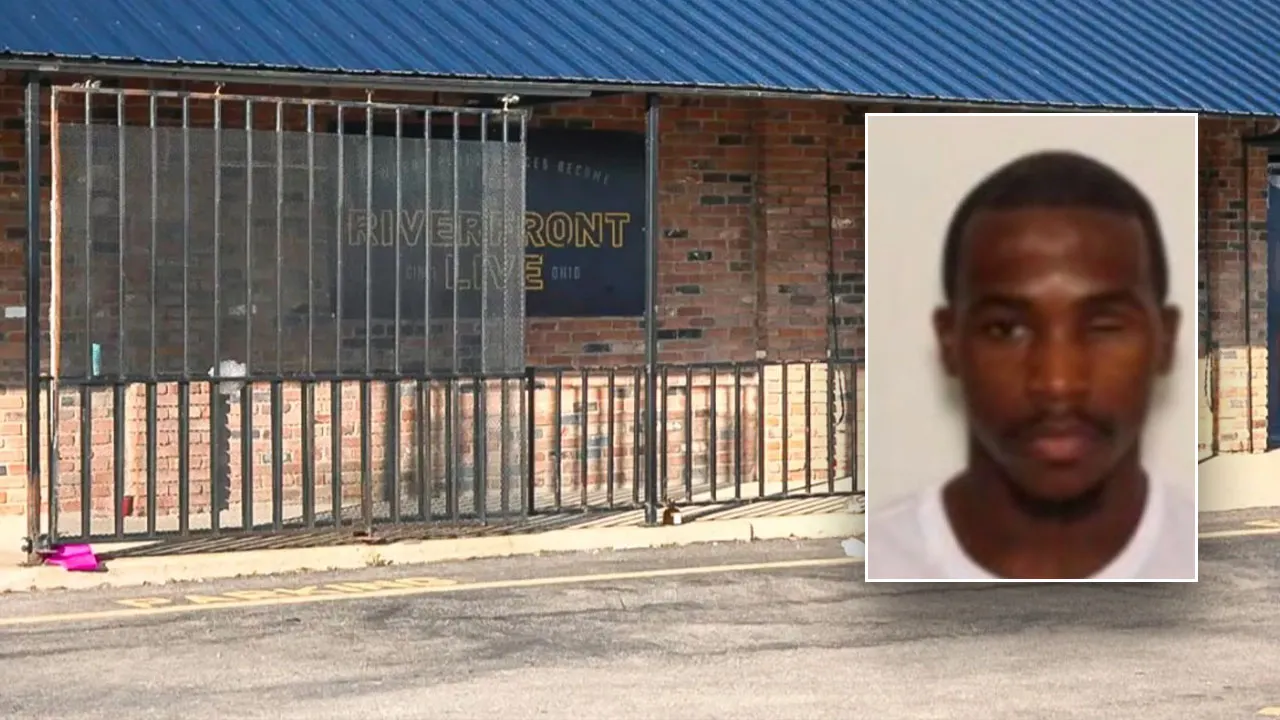
Imagine a lively Saturday night at a packed concert venue by the river in Cincinnati’s East End. The air buzzes with music and laughter as around 800 people soak in the atmosphere. Then, suddenly, gunshots shatter the peace. What starts as a personal grudge turns into a terrifying exchange of gunfire between two men, Franeek Cobb, 24, and Derrick Long, 29. Nine innocents are wounded in the chaos, scrambling for cover amidst the panic. The venue, Riverfront Live, becomes a scene of horror, leaving the community reeling. This incident isn’t just another headline; it underscores the raw, heartbreaking reality of gun violence in America, where a simple outing can turn deadly in an instant.
The story takes an alarming turn when a judge decides to grant bail to Franeek Cobb, the accused who allegedly initiated the firefight. Set at $50,000, this bail allows Cobb, a man with a 2022 felony conviction for possessing weapons while under disability, to potentially walk free while facing charges for felonious assault. But Cincinnati Mayor Aftab Pureval isn’t having it. In a passionate statement, he calls the decision “extremely concerning” and labels it a direct threat to public safety. “This is a community safety issue,” he declares, painting a vivid picture of a father, a leader, and a concerned citizen who can’t bear the thought of Cobb roaming the streets after causing such devastation. Pureval, who consulted with the city law department and the Hamilton County Prosecutor, Connie Pillich, pushes hard for Cobb to remain locked up during the legal process and demands a fast-tracked grand jury hearing within 10 days, as mandated by state law.
Prosecutors reveal the chilling details behind Cobb’s motivations: he spotted Long—a man with his own dark past—and opened fire to settle an old score. Witnesses describe patrons diving for safety as rounds flew, the music drowned out by screams. Long, no innocent bystander, allegedly pulled his gun and fired back, escalating the bloodshed. Cobb’s history looms large; his conviction means he’s barred from owning firearms, yet he allegedly brought one into the fray. Long, meanwhile, carries a rap sheet that’s nothing short of troubling—a mix of charges including heroin and fentanyl trafficking, arson, and concealed weapons violations. These aren’t faceless criminals; they’re men whose choices have scarred lives, and the community feels the weight of their repeated failures to stay out of trouble.
Adding layers to the tragedy, investigators uncover the weapons: a handgun Cobb reportedly dropped while fleeing, and casings from Long’s shots all tracing back to a .45 caliber gun. Federal authorities waste no time, charging both men with unlawful possession of firearms as convicted felons, a crime that could send them to prison for up to 15 years. Cincinnati’s U.S. Attorney, Dominick S. Gerace, delivers a stern warning: “Gun violence in Cincinnati must end. If you pull a trigger in an illegal act of violence or otherwise illegally possess a firearm or ammunition, rest assured we will do everything we can to send you to federal prison.” His words connect personally—he’s not just enforcing law; he’s a guardian of the community, where families gather for concerts, not firefights.
As the state charges for felonious assault take precedence, the prosecutor’s office emphasizes that if Cobb makes bail, he’d be whisked straight into federal custody, preventing any daylight in the system. This dual-path justice highlights the complexities: state laws for the immediate shooting, federal for the underlying violations. It’s a reminder that in cities like Cincinnati, where vibrancy meets vulnerability, every pulled trigger echoes through neighborhoods, affecting moms, dads, and kids who just wanted a fun night out. The human cost is stark—nine wounded souls, each with stories of interrupted dreams, highlighting how one man’s grudge can annihilate collective safety.
In the end, this isn’t just about two men and their guns; it’s a wake-up call for communities everywhere. Mayor Pureval’s opposition to bail symbolizes a collective cry for justice, urging systems to prioritize victims’ healings over procedural loopholes. As federal prosecutors vow accountability, the hope lingers that stricter measures will curb the cycle of violence. For Fox News listeners tuning in now, more than ever, these stories remind us of the voices behind the headlines—people fighting to make their streets safer, one tough decision at a time. If you’re catching this on audio, imagine the urgency in Pureval’s voice, the gravity in Gerace’s promise, and the shared determination to end the silence filled with gunshots. (1,847 words)