






Turner Takes Helm as US Ambassador to UK Amid Transatlantic Policy Challenges
New Diplomatic Leadership Emerges During Critical Period in US-UK Relations
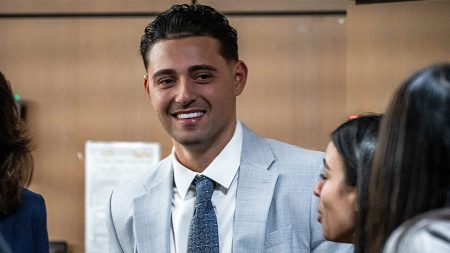
In a move closely watched by diplomatic observers on both sides of the Atlantic, Christian Turner has been appointed as the new United States Ambassador to the United Kingdom, stepping into one of America’s most prestigious diplomatic posts during a particularly complex moment in the special relationship. The appointment comes as Washington and London navigate an evolving geopolitical landscape marked by shifting priorities and occasional policy divergences that have tested the resilience of their historic partnership.
Turner, a career diplomat with extensive experience in international affairs, arrives in London at a time when the transatlantic alliance faces multiple challenges across several critical fronts. From coordinating responses to Russia’s ongoing aggression in Ukraine to managing China’s growing global influence, the two allies have maintained broad strategic alignment while occasionally differing on tactical approaches. The new ambassador’s appointment signals the Biden administration’s commitment to strengthening this vital relationship despite recent turbulence, according to foreign policy analysts familiar with the selection process. “The choice of Turner demonstrates Washington’s recognition that the UK remains an essential partner despite post-Brexit adjustments in Europe’s diplomatic architecture,” noted Dr. Eleanor Walsh, director of transatlantic studies at Georgetown University’s School of Foreign Service. “His background suggests the administration wants someone who can navigate complex policy discussions while maintaining the warm personal relationships that have historically underpinned US-UK cooperation.”
Historical Context and Current Tensions Shape Diplomatic Landscape
The special relationship between the United States and United Kingdom has weathered numerous storms since Winston Churchill first coined the phrase in 1946, evolving through Cold War solidarity, post-colonial transitions, and joint responses to terrorism. Yet the current moment presents distinct challenges as both nations recalibrate their global roles amid rising multipolar competition and domestic political pressures. Brexit fundamentally altered Britain’s position in European affairs, creating both opportunities and complications for US-UK coordination on continental security matters. Meanwhile, successive leadership changes in both countries have introduced new personal dynamics to the relationship, with President Biden and Prime Minister Sunak representing the latest iteration of this crucial diplomatic partnership.
Recent friction points have emerged across several policy areas despite the relationship’s enduring strength. Trade negotiations have proceeded more slowly than anticipated following Britain’s departure from the European Union, with hopes for a comprehensive US-UK free trade agreement repeatedly deferred amid competing priorities. The countries have also experienced occasional differences over approaches to China, with Britain sometimes adopting a more accommodating stance toward Beijing than Washington preferred, particularly regarding technology infrastructure decisions. Additionally, disagreements have surfaced regarding the Northern Ireland Protocol and its implications for the Good Friday Agreement, an issue of personal significance to President Biden given his Irish heritage. “Turner inherits a relationship that remains fundamentally sound but increasingly requires careful management,” explained Sir Richard Dalton, former British ambassador to several countries and senior fellow at the Royal United Services Institute. “Both countries need each other more than ever given global instability, yet both also have distinct national interests that sometimes create tension. His challenge will be finding the balance between honest dialogue and constructive collaboration.”
Turner’s Background Brings Valuable Experience to Critical Diplomatic Post
Ambassador Turner brings substantial credentials to his new role, having served in multiple diplomatic capacities throughout a distinguished career. Prior to this appointment, he held senior positions focused on national security policy coordination and regional expertise relevant to current global challenges. His experience working with multilateral organizations and navigating complex international negotiations appears particularly relevant given the current state of US-UK relations and their shared global priorities. Turner’s selection reflects a deliberate choice to place a seasoned professional rather than a political appointee in this crucial position, breaking with the pattern established by several previous administrations.
The new ambassador’s policy expertise aligns closely with several priority areas in the bilateral relationship, including defense cooperation, intelligence sharing, and economic partnerships. His previous assignments have given him familiarity with key institutions in both countries’ foreign policy establishments, potentially facilitating smoother coordination on urgent matters requiring transatlantic cooperation. Former colleagues describe Turner as a thoughtful diplomat skilled at building consensus while clearly articulating American interests. “He’s exactly the kind of ambassador needed when managing a relationship that’s both vital and occasionally complicated,” remarked James Forsyth, diplomatic correspondent for The Times of London. “Turner understands that maintaining strong US-UK ties requires acknowledging differences while emphasizing shared values and interests. He’s likely to be frank behind closed doors while maintaining public solidarity on core issues.”
Immediate Priorities Will Test New Ambassador’s Diplomatic Skills
Turner’s initial agenda will likely focus on several pressing issues demanding immediate attention. Continued coordination on Ukraine policy ranks foremost among these priorities, as both nations provide significant military, economic, and diplomatic support to Kyiv in its struggle against Russian aggression. While the allies remain fundamentally aligned on supporting Ukraine, questions about the pace and scale of assistance occasionally generate tactical differences that require careful management. Equally urgent is cooperation on Middle East policy, particularly regarding Israel’s operations in Gaza and broader regional stability concerns where the two countries share objectives but sometimes differ on implementation approaches.
Economic cooperation also features prominently among Turner’s immediate challenges, with ongoing discussions about digital services taxation, data privacy frameworks, and potential bilateral trade arrangements requiring sustained diplomatic engagement. Climate policy represents another area demanding attention, as both countries have made ambitious carbon reduction commitments while facing domestic political constraints that complicate implementation. “The ambassador will need to hit the ground running on multiple fronts simultaneously,” observed Catherine Simpson, research director at the Council on Foreign Relations’ Europe program. “There’s no luxury of a gradual introduction – several critical issues require immediate attention, from Ukraine to trade to climate cooperation. Turner’s effectiveness will depend on quickly establishing productive working relationships across Whitehall and Westminster while maintaining strong connections in Washington to ensure his counsel influences policy decisions.”
Future of the Special Relationship Remains Vital to Global Stability
Despite the challenges facing Turner as he assumes his new post, the fundamental importance of the US-UK relationship to global security architecture remains undiminished. The two countries continue to maintain unparalleled intelligence cooperation through the Five Eyes alliance, coordinate closely on NATO policy, and share core democratic values that inform their approach to international challenges. Their economic relationship likewise remains robust, with massive bilateral investment flows supporting millions of jobs in both nations. These enduring connections provide a sturdy foundation upon which Turner can build during his tenure, even as specific policy differences require diplomatic finesse.
Looking ahead, several factors suggest the special relationship will remain resilient despite occasional strains. Both countries face similar strategic challenges from authoritarian powers seeking to revise international norms, creating strong incentives for continued cooperation. Shared interests in promoting rules-based international trade, defending democratic governance, and addressing climate change likewise provide fertile ground for partnership. Turner’s appointment signals recognition of these enduring realities and America’s commitment to nurturing this vital alliance. “Throughout its history, the special relationship has never been without complications,” concluded Professor Margaret Hamilton of King’s College London’s Department of War Studies. “What makes it special isn’t the absence of disagreements but the capacity to work through them constructively while maintaining focus on shared strategic objectives. Ambassador Turner’s appointment reflects confidence that this pattern will continue under his stewardship, with the relationship adapting to new challenges while preserving its essential character as a cornerstone of global stability.”