





FBI Charges Post-Doctoral Researcher with E. coli Smuggling
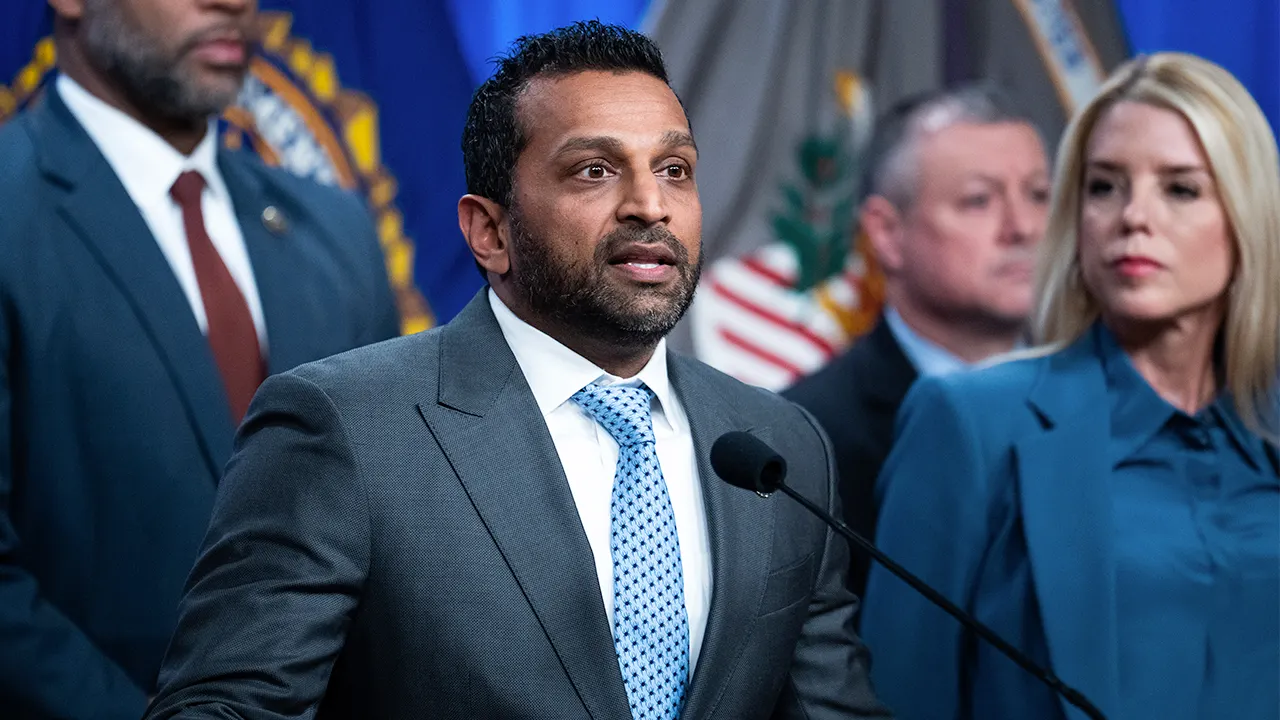
In a significant development highlighting the growing concern over biological security, FBI Director Kash Patel announced on Friday the charging of Youhuang Xiang, a post-doctoral researcher from China working in the United States on a visa. Xiang allegedly smuggled Escherichia coli (E. coli) into the country and made false statements about it to authorities. This case represents what Patel described as “yet another example of a researcher from China, given the privilege to work at a U.S. university, who then allegedly chose to take part in a scheme to circumvent U.S. laws.” The director emphasized the potential dangers of uncontrolled biological materials like E. coli, which could devastate American crops and cause significant economic damage. While the specific university involved wasn’t named, Patel publicly thanked the FBI field offices in Indianapolis and Chicago, along with U.S. Customs and Border Protection (CBP), for their diligent work in handling the case.
This incident is part of a concerning pattern that has emerged since the Trump administration intensified its immigration enforcement in January 2025. Just this November, the Justice Department charged three other Chinese national scholars—Xu Bai (28), Fengfan Zhang (27), and Zhiyong Zhang (30)—with conspiracy to smuggle biological materials into the United States while conducting research at the University of Michigan’s Shawn Xu Laboratory. Like Xiang, these individuals were participating in J-1 visa academic exchange programs when they allegedly received multiple concealed shipments of biological materials related to roundworms from a Chinese Ph.D. student in Wuhan named Chengxuan Han. Han, who had previously worked at the university, had already been convicted of smuggling and making false statements before being removed from the United States. Attorney General Pam Bondi emphasized the severity of these actions, stating that “attempting to smuggle biological materials under the guise of ‘research’ is a serious crime that threatens America’s national and agricultural security.”
The trend extends beyond Chinese nationals. In February, Russian-born Harvard University cancer researcher Kseniia Petrova was detained at Boston Logan International Airport for allegedly smuggling frog embryos. According to her attorney, Gregory Romanovsky, Petrova was transporting the embryos at the request of a professor at a French laboratory collaborating with Harvard. The sample had been collected in Paris and was intended for Harvard research, but Petrova reportedly did not realize she needed to declare the embryos at customs. The Department of Homeland Security contradicted this account, stating that Petrova was “lawfully detained after lying to federal officers about carrying substances into the country” and that a “K9 inspection uncovered undeclared petri dishes, containers of unknown substances, and loose vials of embryonic frog cells, all without proper permits.” After several months in federal custody, Petrova was released in June.
These cases highlight a growing challenge for American academic institutions that rely on international collaboration for scientific advancement while needing to adhere to strict biosecurity protocols. The improper importation of biological materials poses multifaceted risks to national security, public health, and agricultural stability. E. coli, though commonly used in laboratory research, includes strains that can cause severe food poisoning in humans and damage to crops if not properly controlled. The concern extends beyond the immediate health impacts to potential economic disruption in the agricultural sector, which remains a critical component of the American economy and food security infrastructure. These cases have prompted heightened scrutiny of foreign researchers working in sensitive fields, especially those connected to countries with complex diplomatic relationships with the United States.
In response to these concerning developments, FBI Director Patel issued a clear warning to universities across the country, urging them to be “vigilant of this trend” of biological smuggling. His message emphasized the importance of ensuring that researchers understand there are correct and legal pathways to obtain licenses for importing and exporting approved biological materials, and that these procedures “must be followed without exception.” This guidance reflects the delicate balance that academic institutions must maintain—fostering international scientific collaboration while upholding national security protocols and biosafety regulations. For universities, this means implementing more robust training programs for foreign researchers, enhancing monitoring systems for laboratory materials, and strengthening compliance with import/export regulations for biological substances.
The emergence of these cases points to broader questions about scientific exchange in an increasingly complex geopolitical landscape. While international collaboration has been fundamental to scientific progress, incidents of alleged smuggling create tension between openness in research and the need for security controls. As investigations continue into these cases, universities, research institutions, and government agencies are likely to review and strengthen their protocols for vetting researchers and monitoring the movement of biological materials across borders. The challenge remains finding an approach that protects national security interests without unduly hindering legitimate scientific research that depends on global talent and resource sharing. For the moment, as exemplified by the case against Youhuang Xiang, authorities appear committed to vigorous enforcement of existing regulations governing the importation of biological materials, regardless of their purported research purpose.