


Chinese National Arrested for Photographing U.S. Military Bases and Equipment
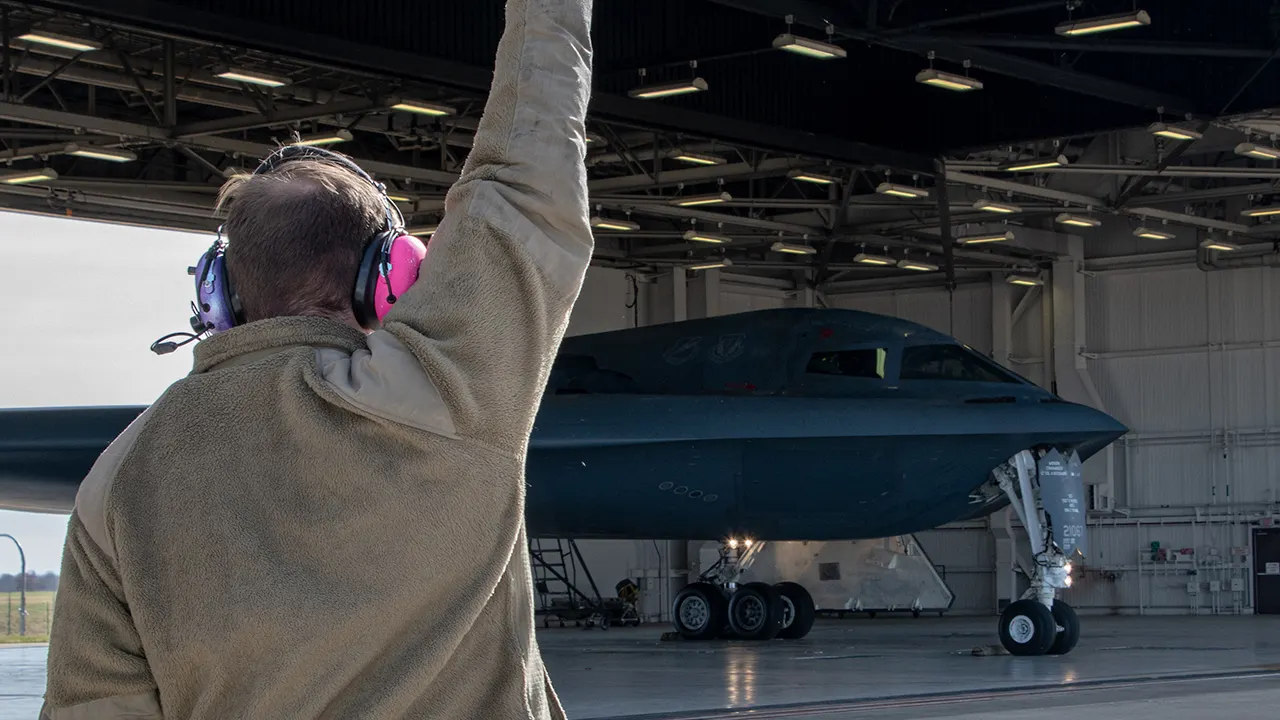
In a concerning development that highlights potential national security vulnerabilities, the Missouri Attorney General’s Office announced in early December that a Chinese national was taken into custody after allegedly photographing sensitive U.S. Air Force installations. Thirty-five-year-old Qilin Wu, who entered the United States illegally in 2023 through the Arizona-Mexico border, was arrested after being caught near Whiteman Air Force Base in Missouri. This military installation houses the highly sensitive B-2 Spirit stealth bomber fleet, which represents some of America’s most advanced military technology with nuclear capabilities. The case raises significant questions about border security, immigration policy implementation, and the protection of critical military assets against potential foreign intelligence gathering.
Wu’s presence near such sensitive military installations appears to have followed a pattern that alarmed authorities. According to investigators, Wu was first spotted on December 2nd near Whiteman Air Force Base driving a minivan with Massachusetts license plates. When questioned by patrol officers, Wu openly admitted he was there to observe the B-2 Spirit aircraft. Despite receiving explicit warnings that photography of the military installation was prohibited, Wu reportedly returned the very next day to the same area. This deliberate return after being warned suggests either remarkable persistence or a specific mission to document the military assets. Upon his second encounter with authorities, Wu admitted to taking videos and photographs of the aircraft, perimeter fencing, base gates, and other military equipment. A search of his phone revealed 18 images and videos of the restricted installation, and Wu further acknowledged photographing another U.S. Air Force base and its aircraft, though officials have not publicly identified this second location.
The circumstances surrounding Wu’s presence in the United States raise significant questions about current immigration enforcement practices. Court documents reveal that Wu illegally entered the United States on June 22, 2023, near Nogales, Arizona. After being apprehended by immigration authorities, he was released due to what officials described as a lack of detention space. Instead of detention, Wu was given an immigration removal proceeding date set nearly four years in the future – February 9, 2027. This extended timeline between illegal entry and immigration proceedings exemplifies the challenges in the current immigration system, where individuals potentially presenting security risks may remain in the country for years before their cases are resolved. The considerable gap between apprehension and scheduled proceedings allowed Wu extensive freedom of movement throughout the United States, eventually leading to his presence near highly sensitive military installations.
The charges against Wu, while seemingly modest compared to the security implications, reflect the legal framework available to prosecutors in such cases. Wu now faces one count of taking photographs of a vital military installation and military equipment without authorization, which carries a potential sentence of up to one year in federal prison. The investigation involved multiple federal agencies, including the U.S. Air Force Office of Special Investigations, the Federal Bureau of Investigation, U.S. Air Force Security Forces, and Immigration and Customs Enforcement’s Enforcement and Removal Operations, indicating the seriousness with which authorities view this incident. The collaboration between military security, federal law enforcement, and immigration authorities demonstrates the multi-faceted approach required to address potential security threats that cross traditional jurisdictional boundaries.
This case emerges amid growing concerns about foreign intelligence activities targeting American military capabilities, particularly from nations like China. The B-2 Spirit stealth bomber represents a critical strategic asset in the U.S. military arsenal, with its advanced stealth technology and nuclear delivery capabilities making it a likely target for foreign intelligence gathering. National security experts have increasingly warned about various methods through which foreign entities may seek to collect intelligence on U.S. military capabilities, including through individuals who may be directed to document installations and equipment. While authorities have not publicly connected Wu to the Chinese government or its intelligence agencies, the nature of the target and Wu’s nationality have naturally raised questions about potential connections to broader intelligence gathering efforts. The incident also comes at a time when security experts have voiced concerns about land ownership by entities with connections to foreign governments near U.S. military installations.
The broader implications of this case touch on multiple aspects of national security policy, from border enforcement to counter-intelligence efforts and the protection of sensitive military assets. The incident highlights potential vulnerabilities in how the United States monitors individuals who enter the country illegally, particularly those from nations considered strategic competitors. It also raises questions about the balance between immigration processing realities, including detention space limitations, and security imperatives. For military installation security, the case serves as a reminder of the persistent threat of foreign intelligence collection targeting advanced U.S. capabilities, and the importance of perimeter security and vigilance. As Wu’s case moves through the federal court system in the Western District of Missouri, it will likely continue to draw attention from those concerned with both immigration enforcement and national security protection, particularly regarding how individuals with potential security risk factors are monitored after entering the United States.