

A Spiritual Awakening on College Campuses Following Charlie Kirk’s Death
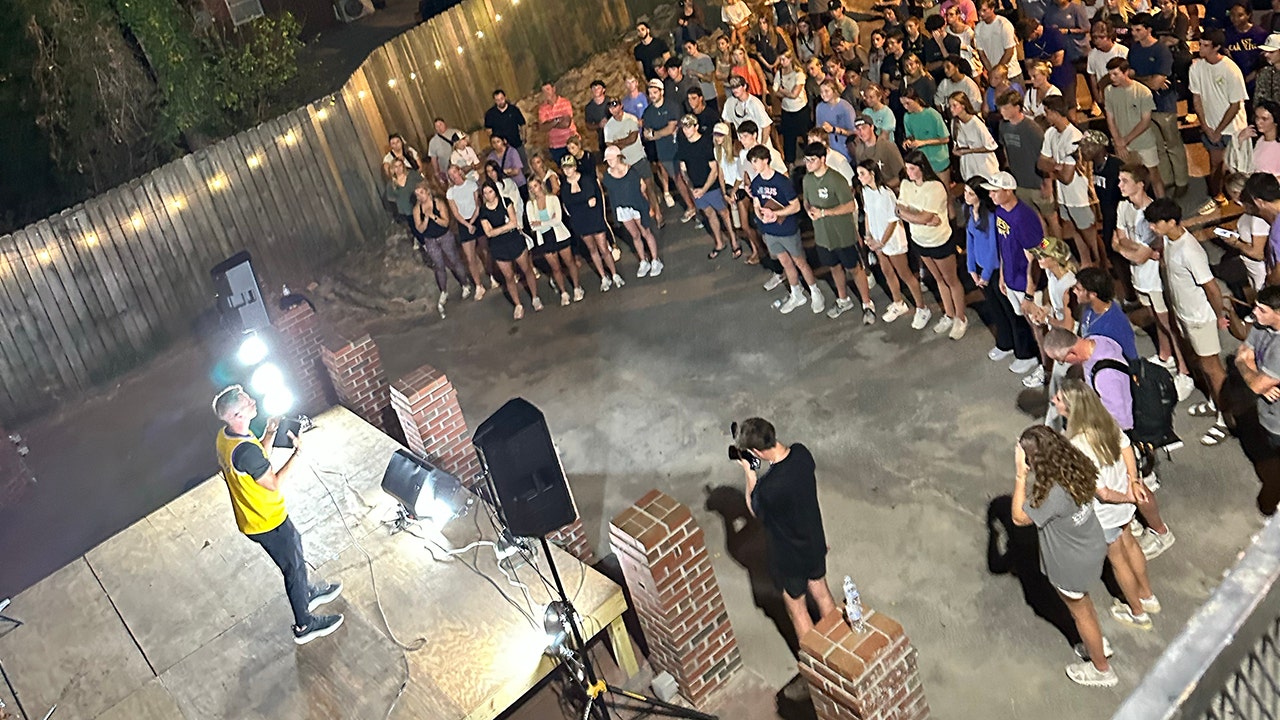
In a remarkable cultural shift across American universities, fraternity houses traditionally associated with parties and drinking are becoming unexpected centers of Christian worship and prayer. Following the assassination of conservative activist Charlie Kirk, a spiritual movement has swept through campuses nationwide, with students gathering in unprecedented numbers to explore faith. At East Carolina University’s Kappa Sigma fraternity house, dozens of students recently participated in a “Night of Hope,” led by Doug Elks of AIM Missions. The event featured Bible readings, prayer sessions, and testimonials from current and former college athletes, representing a significant departure from typical fraternity activities. “It was just so exciting to see hearts turn to Jesus and have opportunities to pray for many students,” Elks shared with Fox News Digital, expressing his amazement at witnessing this spiritual transformation firsthand.
This religious revival is particularly notable given the documented decline in religious affiliation among Generation Z. Recent data from the Pew Research Center reveals that college-aged adults (18-24) are 34% less likely to identify as Christian compared to adults over 74, with only 27% of young adults reporting that they pray daily—less than half the rate of older generations. Researchers attribute this primarily to “generational replacement,” as historically more religious older generations pass away. Yet the current movement suggests a potential reversal of this trend, as students seek meaning and community through faith in response to traumatic events and personal struggles.
The assassination of Charlie Kirk appears to have catalyzed deep existential questioning among young adults. “When someone they look up to that’s not much older than them gets taken out in a public way, it makes them have more questions,” explained Elks. This tragic event has prompted many students to confront their mortality and seek spiritual grounding in uncertain times. Beyond the immediate response to Kirk’s death, Elks points to an underlying crisis among Gen Z: “The number one thing taking out Gen Z is suicide, depression, and anxiety. These things are gripping young people.” Faith communities are positioning themselves as sources of hope and stability amid these mental health challenges that have become increasingly prevalent on college campuses.
Greek life organizations, traditionally secular in their activities, are emerging as surprising venues for this religious awakening. Fraternity houses across the country are opening their doors to religious leaders and worship gatherings, creating spaces for spiritual exploration that would have seemed improbable just months ago. The movement represents a significant cultural shift in these influential campus communities. “These students in Greek life have a platform,” notes Elks. “They have a lot of influence and they have an awesome community.” This transformation of fraternity spaces into sites of prayer and worship signals a broader reconsideration of purpose and meaning within campus social structures that have often been associated primarily with partying and social networking.
The revival’s spread has exceeded all expectations, with Elks reporting an unprecedented surge in invitations to speak at campuses nationwide. In 2025 alone, he has addressed more than 70 schools and religious organizations, with particular interest coming from Greek life. “When we can walk into a gym, frat house or conference – wherever it is – and we can present the truth, it’s drawing people like we’ve never seen before,” he observed. This openness to religious messaging in previously unreceptive environments suggests a significant shift in campus culture and student receptivity to spiritual discussions. As one religious leader put it, “We know that something is shifting, we know that people are searching,” indicating a broader cultural moment of spiritual seeking that transcends the immediate response to Kirk’s death.
While the longevity of this faith movement remains uncertain, its immediate impact is undeniable as it continues to gain momentum across American campuses. Young adults appear to be seeking authentic community and meaning beyond the digital world and academic pressures. “They’re ready to no longer walk in the lies of the enemy, but with the truth of Jesus Christ,” Elks stated, reflecting the conviction driving this revival. The transformation of fraternity houses—spaces once synonymous with secular college life—into centers of prayer and Bible study represents a profound reimagining of campus social dynamics. Whether this movement represents a temporary response to trauma or the beginning of a lasting shift in how Generation Z engages with faith remains to be seen, but its current impact suggests a spiritual hunger that traditional religious decline statistics may have obscured.