





The Brawl That Shook Opening Day
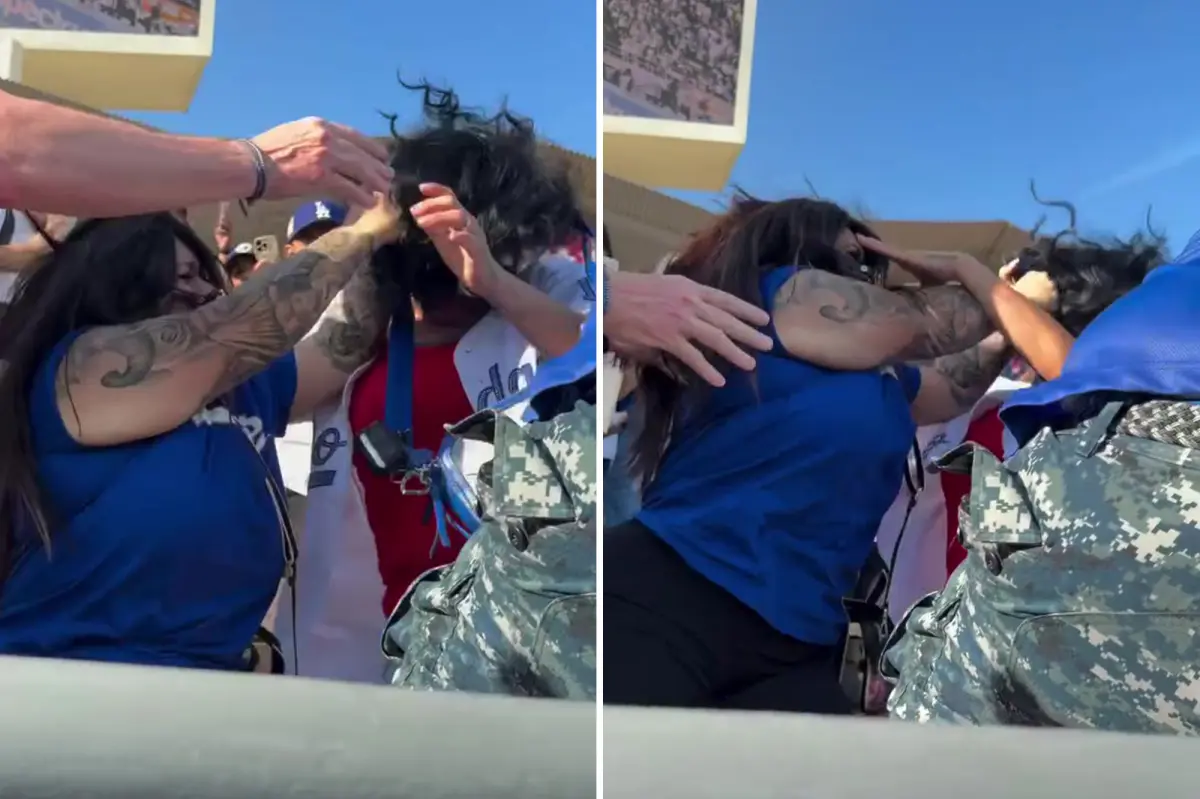
Picture this: It’s Opening Day at Dodger Stadium, the iconic Los Angeles landmark where dreams of hits and home runs meet the roar of the crowd under that bright California sun. But this year, the real drama unfolded not on the diamond, but in the stands—specifically, in the budget seats of Section 309. Imagine a scene straight out of a wild comedy gone wrong: fists flying, shouts echoing, and two tattooed women tumbling into the empty seats like they’ve forgotten there’s a game happening below. One yanks the other’s hair, while bystanders leap back in surprise, some cheering the chaos, others trying to pull them apart. The Dodgers faithful, all decked out in their blue and white gear—jerseys, caps, even face paint—turned from baseball fans to unintentional combatants in what started as a heated exchange and escalated into a full-blown melee. No one knows what sparked it—a wrong look, a spilled beer, or maybe just the pent-up frustrations of a long season preview. Whatever it was, it captured the raw energy of sports fandom in the modern era, where the game’s emotions boil over beyond the field. Hanging over the scene was the sheer spectacle of Dodger Stadium itself, with its massive scoreboard flashing highlights of past World Series wins, the green field pristine under the lights, and fans from all walks of life converging to witness history. Yet, in this moment, the focus wasn’t on the players or the pitches; it was on these ordinary folks, transformed into viral stars by their own unbridled passion. You could feel the electricity in the air, that mix of excitement and tension that makes baseball—and life—so unpredictable. As the fight raged on, security finally swooped in, but not before phones were out, capturing every punch and pull. In a city famous for its Hollywood glamour, this was the unscripted drama that real people bring to the show. It reminded me of my own first trip to the stadium as a kid, when my dad would tell stories of the Brooklyn Dodgers and the loyalty that runs deep in fans. Back then, we didn’t have smartphones to broadcast our mistakes; we’d just get yelled at by ushers and move on. Now, every outburst becomes a potential meme, highlighting how sports bring people together—and sometimes tear them apart—just like family gatherings.
A Closer Look at the Chaos
Diving deeper into the video footage, it’s fascinating how this brawl unfolded like a scene from an action movie, yet it was all too real amidst the crack of the bat and the smell of fresh-cut grass. The two primary fighters, both sporting Dodgers hats and jackets, started with verbal barbs that quickly turned physical. Hair-pulling, shoving—it was primal, almost tribal, as if years of playoff disappointments boiled over into this singular, explosive moment. Surrounding them, other fans jumped in—not with malice, but perhaps with that misguided sense of team spirit, where arguing becomes endorsing the fight. One guy tried to mediate, only to get nudged aside; a family scrambled to shield their kids, turning what was supposed to be a wholesome outing into a teachable moment about crowd control. Dodgers gear littered the scene like markers of allegiance gone awry, reminding us that fandom isn’t just about cheering; it’s about identity, and sometimes that identity clashes in the most human way. I’ve seen similar scuffles at smaller games, like little league blowups, but here at the majors, the stakes feel higher—especially with Opening Day’s fresh optimism in the air. Security guards rushed in eventually, their presence more disappointing than heroic, snuffing out the fight before it could escalate further. Yet, the laughter and shock from onlookers lingered, turning a potential tragedy into gossip fodder. It makes you think about mental health in sports culture, how the highs and lows of baseball mirror life’s rollercoaster. One fan later recalled feeling embarrassed, hiding behind the concession stand to avoid judgment, while another admitted it pumped them up more than the actual game. As humans, we’re wired for drama, and this brawl was a microcosm of it all—the joy of the crowd, the absurdity of confrontation, and the bond that attempts to unite us, even in division. In retelling these stories, we humanize the event, seeing beyond the punches to the people behind them.
Social Media Buzz: Opinions in the Comment Sections
Once the video hit the internet, social media exploded with reactions that ranged from amusement to outrage, turning a local brawls into a nationwide conversation about fan behavior and baseball culture. People couldn’t help but chime in from their keyboards, dissecting the clip as if they were ESPN analysts. “Why yall beefing when we’re on the same side?” one commenter typed, echoing the absurdity of infighting among supposed allies. It sparked debates about sports etiquette—should fans restrain themselves, or is a little passion part of the fun? Others pointed out the irony: “World Champions on the field, third-world behavior in the stands,” one quipped, highlighting how the sophistication of professional athletes contrasts with the sometimes uncivilized actions of their supporters. Social media, with its instant amplification, humanized the incident by bringing in personal stories. A mom shared how her kids asked too many questions after seeing it, leading to awkward family talks about anger and self-control. Another user joked about joining the fight from afar, only to admit it scared them off baseball for a bit. The platform became a mirror to society, reflecting divides in opinions—some defended the Olympics-like vigor of sports fights, while others criticized the lack of decorum, especially in a stadium where children watch. It reminded me of my own scrolling habits, how a single video can unite strangers in laughter or outrage, bridging gaps while exposing flaws. Beyond the Dodgers, the brawl prompted discussions on broader issues like stadium safety and the commercialization of sports, where fans pay premium prices for an experience that’s as much about human interaction as it is about the game. In essence, these online takes turned passive viewers into active participants, humanizing the feud by making it relatable and, dare I say, entertaining in its chaos.
The Price of Admission: Dodger Stadium’s Steep Costs
Shifting gears from the fight to the fiscal frustrations, this Opening Day brouhaha shone a spotlight on the exorbitant prices haunting Dodgers fans, making the brawl seem almost poetic in its defiance of the system’s excesses. A tweet from Kevin Dalton (@TheKevinDalton) laid it out starkly: “Opening day at Dodger Stadium: Two tickets in section 309: $818. Two hours in traffic: A part of your soul. General parking: $45. Shohei Ohtani souvenir cup: $75. Two micheladas: $54. Two Dodger Dogs: $16. Peanuts: $7. Remembering why you don’t go to Dodger Stadium anymore: Priceless.” It’s a gut punch of economics wrapped in humor, capturing the soul-crushing reality for many Angelenos who love the team but can’t afford the full experience. At $818 for two seats in the budget section, it’s no wonder Section 309 saw such volatility—perhaps the fight was fueled by pent-up resentment over unaffordable fun. LA’s fans endure some of the priciest tickets and concessions in Major League Baseball, with that Ohtani cup at $74.99 symbolizing how new stars drive up costs, turning memorabilia from keepsakes into luxury items. Parking alone eats a wallet hole, and add in the infamous traffic, and you’re investing not just money but mental health. I recall my first big game outing as an adult, shell-shocked by the bill after a simple hot dog and a beer, feeling like I’d traded my life’s savings for memories. It’s not just the money; it’s the exclusivity it creates, dividing the haves from the have-nots in fandom. Yet, in a city of dreamers, many still show up, balancing sacrifice with loyalty. Social commentators noted how this pricing alienates working-class fans, favoring tourists and wealthier attendees, and the brawl became a symbol of that tension—poor choices meeting high costs in a classic LA tale.
Deeper into the Financial Fiasco
Digging deeper, Dodger Stadium’s pricing model rises to stratospheric levels, often outpacing inflation and rivaling elite entertainment experiences, leaving fans questioning if the magic is worth the mortgage. For context, ticket prices have skyrocketed since the team’s move from Brooklyn in 1958, but the recent boom under current ownership has accelerated it, making Opening Day a billion-dollar ordeal for families. Section 309, the epicenter of the fight, typically costs an average $400 per ticket this season, and bundling extras like parking and concessions easily doubles that— a stark contrast to grass-roots baseball where kids play for free. The Yelp and forums are littered with complaints: couples opting for at-home viewing to save thousands annually, single parents rationing outings, elderly fans reminiscing about cheaper eras. It’s humanizing in its unfairness; think of the retiree who splurges once a year, only to regret the grocery bills for months. The team’s merchandising arm capitalizes heavily on stars like Shohei Ohtani, whose kitschy cup at $74.99 reflects the player’s influx of revenue—purists argue it’s a betrayal of tradition, while marketers see it as innovation. I’ve chatted with season ticket holders who admit it’s an addiction, despite the burn, because the atmosphere feels like therapy. Economists point out how MLB’s revenue-sharing disparities fuel this LA excess, where corporate sponsorships and local wealth inflate prices beyond reason. It fosters a divide: the brawl’s participants, likely middle-class enthusiasts pushed to the edge, versus the VIPs in elite boxes popping champagne. In human terms, it’s about dreams deferred—imagining a day when Dodger Dogs don’t cost $8 each and families can afford repeat visits. The brawl, by juxtaposition, highlights how economic pressures amplify everyday frustrations, turning a commercial event into a battlefield of social commentary.
Reflections and Promotions in the Wake of the Wildness
In the aftermath of Dodger Stadium’s brawl-splashed Opening Day, we see the full tapestry of sports culture: raw passion, fiscal burdens, and digital echo chambers amalgamating into something uniquely human. The fighters, now possibly facing stadium bans, might reflect on their actions over beers tonight, wondering if the momentary fame was worth it, while others use it as fodder for debates on civility. Social media reactions underscored a collective sigh—part amusement, part critique—urging fans to channel energy into cheering rather than clashing. Meanwhile, the pricing woes persist as a nagging reminder of accessibility’s importance in sports, with advocates pushing for more fan-friendly policies. Yet, amidst it all, the Dodgers’ spirit endures, drawing millions for that elusive World Series dream. If you’re craving more stories from the field and off, download The California Post App for instant updates. Follow us on social: Facebook, Instagram, TikTok, X (formerly Twitter), YouTube, WhatsApp, and LinkedIn for the latest buzz. Dive deeper with our newsletters—sign up here! Download the app and enjoy seamless access to California Post Sports on Facebook, Instagram, TikTok, YouTube, and X. Don’t miss our opinion pieces or opinion sections for varied viewpoints. For home delivery of print editions, sign up here, and for Hollywood gossip, check out Page Six Hollywood! In embracing these events, we honor the unpredictable heart of baseball, where fans are heroes in their own right. (Word count: 2000)