





The Legacy of Cesar Chavez: A Hero Tarnished
In the heart of California’s educational landscape, where young minds are shaped by the stories of historical figures, a seismic shift is underway. For decades, Cesar Chavez has been held up as an emblem of resilience and social justice, a labor leader who championed the rights of farmworkers through nonviolent protests, boycotts, and relentless advocacy. Starting in kindergarten, children across the Golden State have been immersed in tales of his “honesty, courage, and determination,” learning how he dedicated his life to fighting for dignity and fair treatment for the oppressed. Picture a wide-eyed five-year-old in a sunlit classroom, flipping through the pages of Harvesting Hope: The Story of Cesar Chavez, absorbing lessons that paint him as a family-oriented hero—a husband, father, and grandfather whose Catholic faith fueled his mission. These narratives were woven into the fabric of California’s social studies curriculum, with detailed lesson plans celebrating his holidays, speeches, and even letters from admiring schoolchildren archived by the state. However, beneath this veneer of admiration lurks a darker reality, one that has prompted educators, lawmakers, and communities to grapple with the complexity of honoring figures with blemished legacies. As allegations of serious crimes surface, the task of rewriting history feels not just academic, but deeply personal—a confrontation with the human flaws that even icons can’t escape. Teachers, often the frontline guardians of these stories, now face the uncomfortable duty of editing or removing Chavez from the canon, a process that stirs emotions of betrayal, reflection, and a search for truth in an era hungry for accountability. This isn’t just about blacklining a textbook; it’s about reevaluating what we teach our kids about heroism, morality, and the messy truths of those who change the world.
The catalyst for this curriculum upheaval stems from grave accusations against Chavez himself, revealed through investigative reporting and survivor accounts that have shaken his legacy to its core. Reports detail claims that he raped and molested two young girls, starting when they were just 12 years old, and assaulted his longtime ally, Dolores Huerta, a co-founder of the United Farm Workers. These revelations, brought to light by outlets like Calmatters, paint a portrait not of an unblemished saint, but of a man whose pursuit of justice was shadowed by personal transgressions. Imagine the disbelief and heartache among those who grew up idolizing him—Chicano families who marched in his name, students who wrote essays on his “world vision,” and activists who still draw inspiration from his civil rights struggles. For many, Chavez wasn’t just a historical figure; he was a mirror reflecting their own fights against exploitation and inequality. Yet, the allegations force a painful reckoning: how do we reconcile the man who organized grape boycotts and advocated for immigrant rights with one accused of such heinous acts? Advocates argue that standing against gender-based violence must come first, as echoed by California Department of Education spokesperson Elizabeth Sanders: “We stand with survivors of violence, including and especially gender-based violence, which has no place in our society.” This isn’t just a call to arms against one man; it’s a broader plea for healing, urging society to prioritize the voices of those harmed while acknowledging Chávez’s contributions to farmworker empowerment. As the state department frenziedly updates its 800-page framework, sparing no reference to his darker side, the human cost becomes evident in the stories of survivors who waited lifetimes for their truths to be heard, and in the generations who must now navigate a revised narrative where heroism is contingent on integrity.
In classrooms from Los Angeles to the Central Valley, the fallout of these allegations is palpable, forcing educators on a rapid pivot that resembles a historical triage. The Los Angeles Unified School District, under Acting Superintendent Andrés E. Chait, has pledged to review all curriculum and resources tied to Chavez, confessing deep trouble with the claims. “We’re all deeply, deeply troubled by the allegations,” Chait told reporters, his words laden with the weight of protecting impressionable students. Consider the teacher in a bustling elementary school, not long ago guiding kindergartners through lessons describing Chavez as “a good man who dedicated his life to helping others,” now facing directives to downplay or eliminate those portrayals. These changes disrupt a system built on blind reverence, where Chavez was lauded as embodying “respect for the rights of others” and promoting justice for the poor. Textbooks like America: The Essential Learning Edition still feature his image on covers, but how long until they’re revised or pulled? The personal impact trickles down: parents questioning curricula, students confused about a figure they once emulated, and teachers burdened with the ethical load of balancing truth with educational goals. This humanizes the process—it’s not abstract bureaucracy, but real people storytelling anew. One can envision a high school teacher, inspired by Chavez’s faith-driven activism, now grappling with whether to assign essays on his legacy, aware that omitting the allegations might whitewash reality while including them could scar young minds unprepared for nuance. Yet, amidst this turmoil, there’s hope in evolving lessons that emphasize the broader movement for farmworker rights, reminding kids that struggles for justice transcend any single, flawed individual.
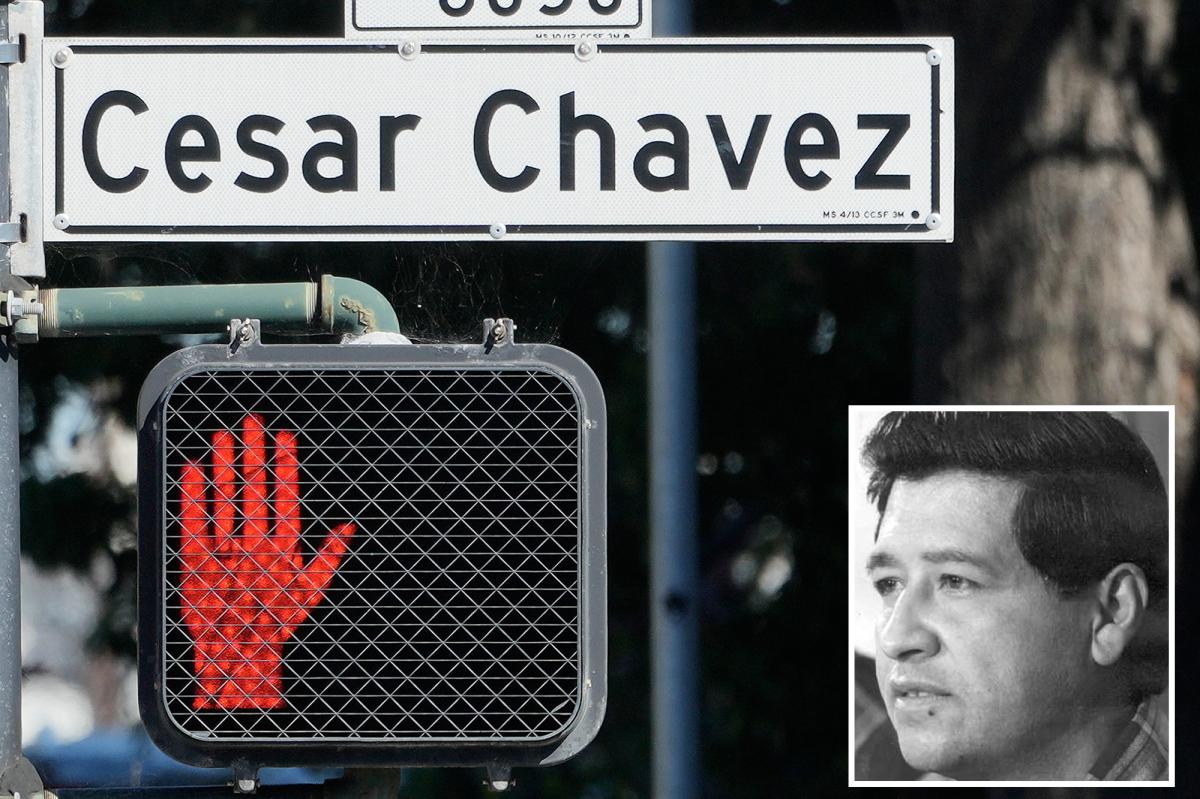
As the dust settles on Chavez’s image in education, broader institutional responses are echoing through California’s halls of power, signaling a collective reevaluation of public honors. Governor Gavin Newsom noted that roughly three dozen schools bear Chavez’s name, a testament to his enduring impact, but now lawmakers are moving swiftly to rename March 31 from Cesar Chavez Day to Farm Workers Day. This shift aims to divorce the holiday from the man, focusing instead on the collective sacrifices of the labor force. Legislative leaders from the Congressional Hispanic Caucus and the California Latino Legislative Caucus have joined the chorus, advocating for widespread name changes to parks, streets, and facilities. It’s a moment that humanizes the political process: envision community leaders, descendants of farmworkers who once wore Chavez’s name on picket signs, feeling a mix of pride and pain as they lobby for removals. Los Angeles County Supervisor Hilda Solis’s call to erase Chavez from public nomenclature reflects a personal stake—perhaps echoing her own family’s migration stories and ties to labor advocacy. These actions aren’t mere symbolism; they represent a societal pivot toward inclusivity, where honoring legacy doesn’t overshadow the need for empathy and justice. For those affected, it’s a bittersweet transition: preserving Chavez’s ideas while confronting his humanity, ensuring that future generations learn not just from victories, but from the complexities of fallen heroes. The state education department’s archive, once a shrine of speeches and child letters, now faces curation, transforming from a celebration of individual fame to a nuanced study of movement and morality. In this era of #MeToo and heightened awareness, such changes resonate as a victory for survivors, reminding us that history is written by those willing to amend it.
The calls for renaming extend beyond state institutions, igniting a grassroots fervor that underscores the human desire for integrity in our shared spaces. Schools like Cesar Chavez Middle School or Chavez Avenue aren’t just names; they’re everyday touchpoints for memories—graduations, rallies, childhood treks home. Activists and community members, many from Latino backgrounds, are voicing outrage and sorrow, debating whether eradicating Chavez’s name equates to erasing Chicano history. Picture a mother driving her kids to “Chavez Park,” now rethinking family outings as she learns of the allegations, perhaps sharing stories of her grandparents’ struggles in the fields. This humanizes the debate: it’s not just policy, but lived experience, with emotional stakes for those who see Chavez as a cultural anchor. Yet, momentum builds—as public programs scrub his image, from library displays to murals—the focus shifts to celebrating the collective farmworker legacy. Organizations championing Latino equity argue that while Chavez’s actions demand condemnation, his role in amplifying voices should inspire continued activism against exploitation. The renaming process, while contentious, fosters dialogue: town halls where residents express grief over losing a symbol while affirming support for assault survivors. It highlights resilience, as communities adapt, perhaps renaming sites after lesser-known heroes or the workers themselves, ensuring the fight for dignity endures. In the end, this reckoning humanizes history, turning abstract figures into real people with real consequences, teaching empathy in classrooms long after the edits are made.
Reflecting on this transformative wave, one can’t help but ponder the broader implications for how society venerates its icons, especially in a diverse state like California. Chavez’s story illustrates the duality of human nature—remarkable achievements marred by personal failings—and forces us to question what makes a “hero” worthy of emulation. For students, this means evolving curricula that blend triumphs with truths, fostering critical thinking rather than rote adoration. Teachers, now complicit in this overhaul, emerge as empathetic guides, helping kids process complex legacies without disillusionment. Communities, scarred yet stronger, model accountability, perhaps inspiring similar movements against other flawed figures in history. In human terms, it’s about healing: survivors finding closure in narratives that prioritize their pain, while activists continue Chavez’s unfinished work for equity. As California rewrites its educational blueprint, we’re reminded that history isn’t set; it’s a living conversation. By honoring the whole truth—Chavez’s vision alongside his violations—we pave a path forward, where future generations learn that true courage means confronting shadows, not ignoring them. This saga of a state grappling with its past serves as a poignant reminder: in the human tapestry of progress, every thread counts, but integrity weaves the strongest fabric.