





The Complex Debate Around Transgender Athletes in Women’s Sports
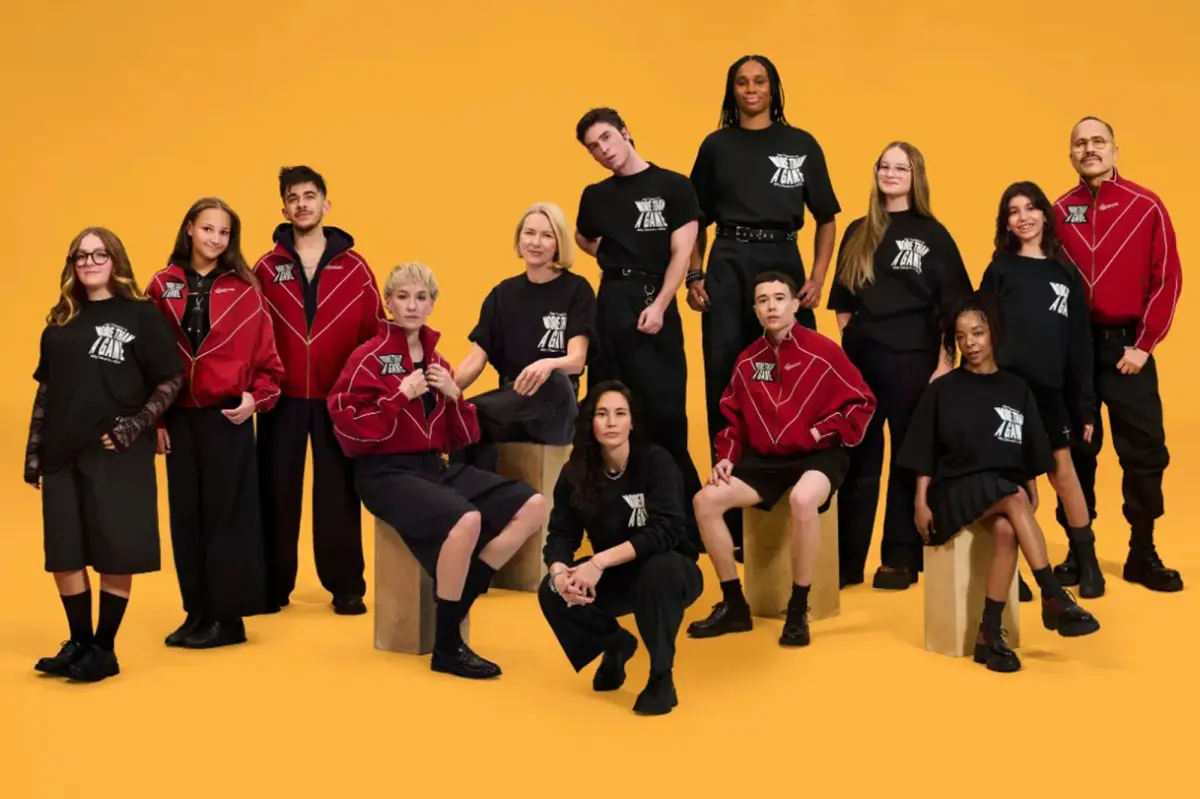
In recent years, the question of whether transgender women should compete in women’s sports has evolved into one of the most contentious cultural debates in America. A new ACLU campaign, featuring celebrities like Elliot Page, Naomi Watts, and retired athletes Megan Rapinoe and Sue Bird, has reignited this conversation by advocating for transgender athletes’ right to compete in categories matching their gender identity. The 30-second advertisement, scheduled to air during the Unrivaled women’s basketball series, frames sports participation as a matter of personal freedom and self-expression. “When you’re young you believe you can do anything, and then the world tries to set limits for you,” the ad claims, with Rapinoe adding that sports is where “you get to be exactly who you are.” Watts, who has a transgender child, describes this issue as fundamentally “about freedom.” This messaging, while emotionally compelling, sidesteps the complex biological and historical context that undergirds women’s sports as a separate category.
The historical significance of Title IX, enacted in 1972, cannot be overstated in this discussion. This landmark legislation required schools receiving federal funding to provide equal opportunities for men and women, dramatically expanding women’s participation in athletics and advancing broader gender equality. The biological differences between males and females that motivated this separation became evident in 2017 when the U.S. Women’s National Soccer Team—despite being world-class athletes who would later win the 2019 FIFA World Cup—lost a scrimmage to FC Dallas’ under-15 boys team. This reality highlights the concerns many have about allowing biological males to compete against females, potentially reversing decades of progress in women’s sports. Critics question whether retired athletes like Rapinoe (40) and Bird (45), who enjoyed careers in sex-segregated competitions and have no daughters whose athletic opportunities might be affected, fully appreciate the implications of their advocacy.
The ACLU’s involvement in this issue represents a significant shift for an organization historically committed to civil liberties above ideological considerations. When the ACLU’s Chase Strangio, who is involved in the upcoming Supreme Court case regarding transgender athletes, advocated in 2020 for banning Abigail Shrier’s book “Irreversible Damage” (which critically examined youth gender-affirming treatments), many saw this as a departure from the organization’s traditional principles. In the 1970s, Jewish ACLU lawyers defended Nazis’ right to march through Skokie, Illinois—a community with many Holocaust survivors—based on their unwavering commitment to free expression regardless of content. This contrast between past principles and present advocacy has led some to question whether ideological commitments are now taking precedence over the civil libertarian values that defined the organization’s founding mission.
The campaign’s advocates appear disconnected from public sentiment, which has been moving steadily in the opposite direction. Polling indicates that 69% of Americans believe biological sex should determine sports participation—a figure that rose 10 percentage points between 2021 and 2025. This disconnection between elite advocacy and public opinion reflects a broader tension in how transgender issues are approached. Many Americans support protections against discrimination for transgender individuals in housing, employment, and public accommodations, while simultaneously believing that competitive sports represents a unique context where biological differences cannot be ignored. The insistence on framing sports participation as an absolute right, rather than acknowledging the legitimate concerns about competitive fairness, risks alienating potential allies in the broader struggle for transgender rights and dignity.
The approach taken by these high-profile advocates may ultimately undermine the very community they aim to support. Public opinion data reveals that between 2022 and 2025, Americans across the political spectrum became less supportive not only of transgender participation in sports but also of transgender individuals using facilities corresponding to their gender identity and schools teaching gender-related concepts. Most concerningly, support for basic legal protections against discrimination for transgender people in employment, housing, and public accommodations has declined. This trend suggests that the focus on controversial issues like sports participation—which affects relatively few transgender individuals but generates significant public resistance—may be creating a backlash that harms the transgender community’s pursuit of more fundamental protections and acceptance.
The upcoming Supreme Court case will likely provide a definitive legal framework for this issue, but the broader social conversation extends beyond legal outcomes. At its heart, this debate involves balancing competing values: inclusion and self-determination for transgender individuals against competitive fairness and opportunities for female athletes. Most Americans appear to believe that while transgender people deserve respect, dignity, and protection from discrimination in most contexts, competitive sports represents a unique case where biological differences cannot be wished away. Finding a path forward requires acknowledging both the legitimate desire of transgender individuals to participate fully in society and the equally legitimate concern that female athletes not lose opportunities they have fought hard to secure. Rather than polarizing rhetoric from either side, what’s needed is a nuanced approach that respects both the transgender community’s humanity and the biological realities that shaped women’s sports as a separate category in the first place.