




Teachers Unions, Campus Politics, and the Changing Face of American Education
In a week dominated by revelations about teachers unions and campus politics, a series of investigative reports by Fox News Digital has shed light on the increasingly polarized landscape of American education. From whistleblower accounts of political bias within the National Education Association to concerning incidents on college campuses, these developments reflect the growing tensions in our educational institutions. As schools and universities grapple with questions of diversity, inclusion, and political expression, these stories offer a window into the challenges facing students, teachers, and administrators across the country.
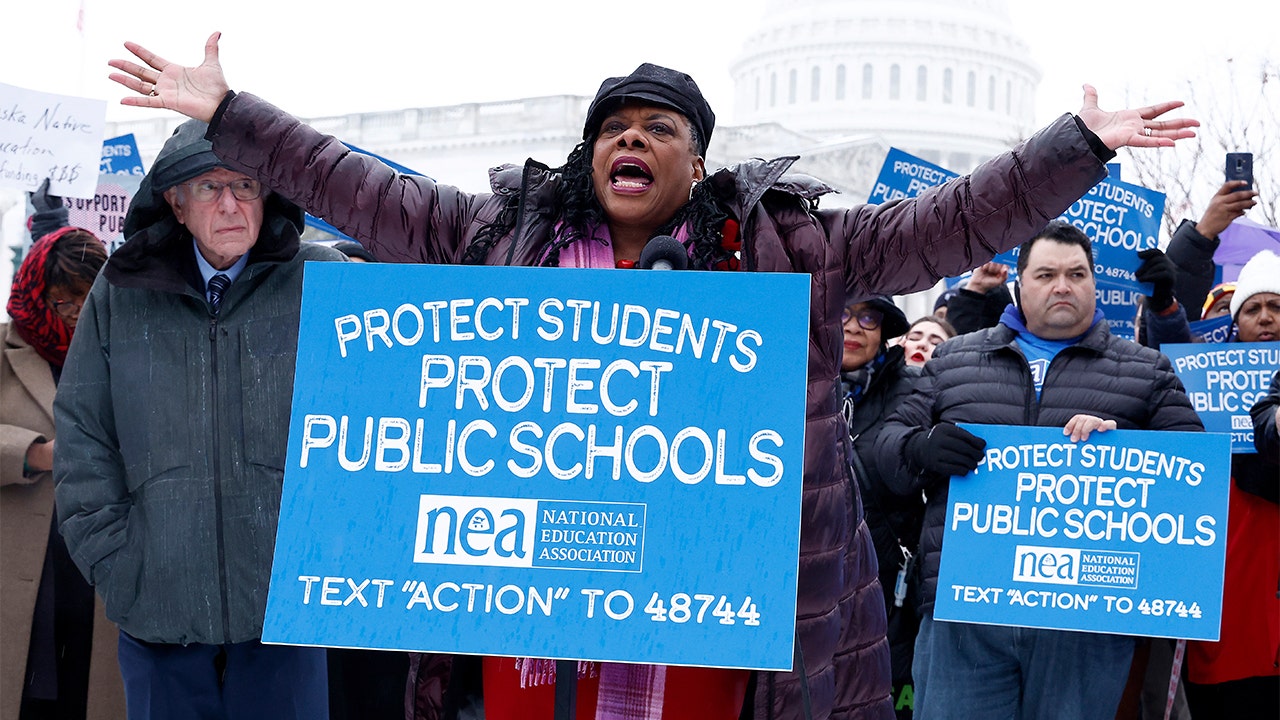
At the center of last week’s coverage was an explosive whistleblower account from a current National Education Association employee who described the internal culture of America’s largest teachers union as “toxic” and cult-like for those who don’t share its predominantly liberal viewpoint. Speaking anonymously for fear of retaliation, the insider painted a picture of an organization where conservative voices are silenced and where weekly newsletters routinely contain partisan political messaging. “It’s a very liberal place, there’s only a handful of conservatives that work at NEA, and if you are, it’s like you just don’t say anything,” the employee revealed. This testimony raises important questions about whether an organization representing millions of educators across the political spectrum should itself be fostering an environment where diverse political perspectives are welcome.
Financial records have brought additional scrutiny to teachers unions, with documents revealing that the NEA has directed millions of dollars to various progressive organizations and political initiatives. According to federal labor filings, the union contributed $300,000 to the Sixteen Thirty Fund (a liberal dark money group) and sent significant funding to organizations supporting ballot initiatives aimed at reshaping education and election policies in several states. In Utah, this issue has taken a legal turn, with a lawsuit filed by a 29-year veteran teacher and Republican State Board of Education member Cole Kelley, along with the Freedom Foundation. They allege that the Utah Education Association, an NEA affiliate, falsely claimed that members’ dues are never used for political activities. “I think it’s time for the UEA to tell the teachers in Utah the truth about what they do, what they represent, what they stand for, what they’re advocating for,” said Kelley, arguing that teachers deserve transparency about how their membership funds are being spent.
On university campuses, contentious debates about curriculum and free speech continue to unfold. The University of Maryland raised eyebrows with a planned course called “Decolonizing Medicine: Steps to Actionable Change,” which aims to examine “how colonial legacies continue to shape global health systems and medical practices” and challenges the concept of “the White body as the standard in medical training.” Critics characterized the course as allowing identity politics to interfere with proper medical education. Meanwhile, at Yale University, controversy arose over an event featuring Trita Parsi, founder of the National Iranian American Council, whom critics like Shay Khatiri of the Yorktown Institute accused of promoting policies beneficial to the Iranian regime. These incidents highlight the ongoing tension between academic freedom and concerns about political bias in higher education.
The political dimensions of education policy were further underscored in Virginia, where Democrats, having retaken control of the state legislature and governor’s mansion, quickly moved to introduce legislation that would enshrine diversity, equity, and inclusion (DEI) principles in classroom curriculum. House Bill 614, filed by Democratic Delegate Sam Rasoul before the legislative session officially began, would mandate that history and social science instructional materials include “contributions, perspectives, and experiences of historically marginalized communities.” This swift action to reinstate DEI policies demonstrates how education has become a central battleground in the broader culture wars, with each side moving quickly to implement its vision when given political power.
Perhaps most disturbing was an incident at the University of Utah, where Riley Beesley, vice chairman of the Utah Federation of College Republicans, reported being threatened by a far-left student during a campus tabling event. According to Beesley, the individual told conservatives at the event that they “should die” and threatened to “Kirk” them—apparently referencing the assassination of Kirk Speraw—before mimicking aiming a rifle while calling them “Nazi pigs.” This alarming encounter happened in front of campus police officers and underscores the potential for political tensions to escalate into threatening behavior. Such incidents raise serious concerns about the climate for political discourse on college campuses and whether institutions are adequately protecting students’ safety and free speech rights, regardless of political affiliation. As polarization increases in the broader society, universities face the difficult challenge of fostering environments where vigorous debate can occur without intimidation or violence.