






The Quiet Morning That Turned Deadly
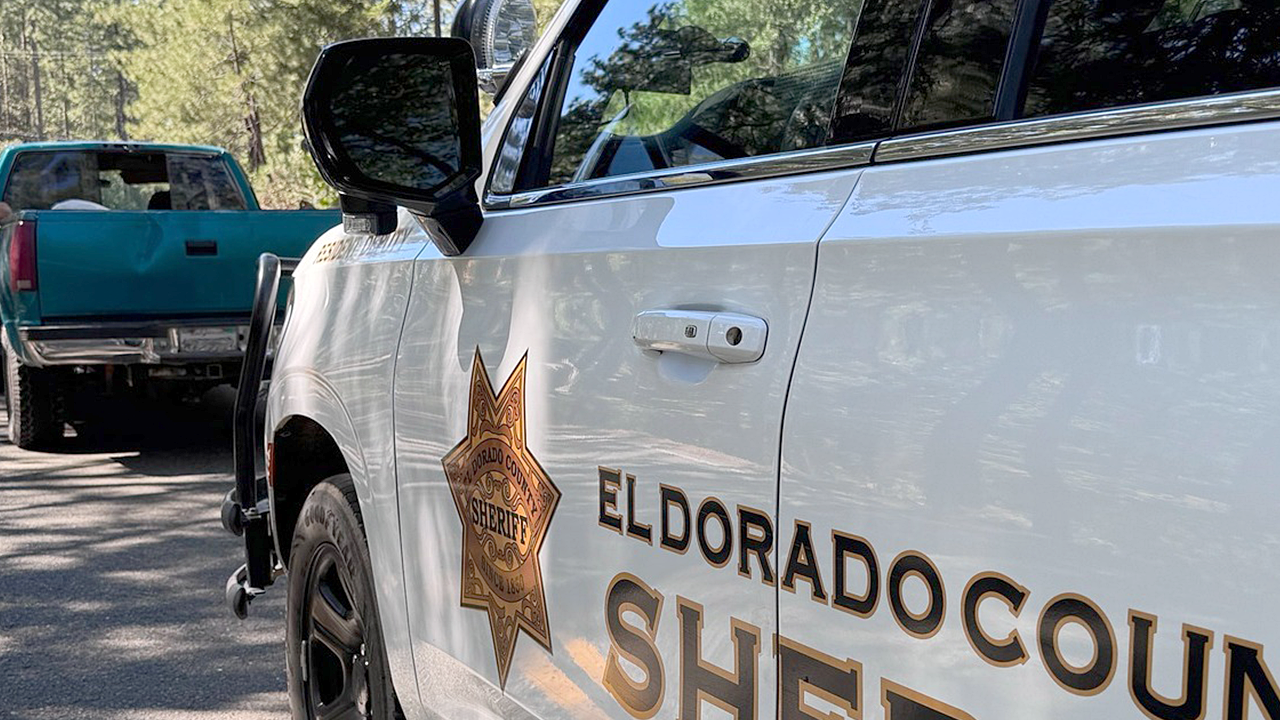
In the serene foothills of El Dorado County, California, where towering pines and quaint mountain homes dot the landscape, a routine day for utility workers escalated into a nightmare of gunfire and fear. It was Thursday morning, just after 7 a.m., when a crew from Pacific Gas and Electric (PG&E) was called to address some electrical issue on Mountain View Drive in the small town of Camino. These men, clad in their bright safety vests and heavy boots, are the unsung heroes of our communities—braving hazardous conditions to restore power after storms or outages, often at a moment’s notice. On this day, as they worked diligently amidst the crisp mountain air, they were suddenly ambushed. Shots rang out from a nearby home, striking one of the workers and sending the others scrambling for cover. Imagine the sheer terror of hearing bullets whiz by as you try to keep the lights on for families miles away. The wounded worker, likely feeling a mix of shock and disbelief, was rushed to the hospital, where doctors determined his injuries were non-life-threatening— a small mercy in a chaotic world. This incident wasn’t just an isolated act; it highlighted the growing dangers utility workers face, exposed to not just electrical hazards or extreme weather, but now the irrational violence from those they serve. As news spread through the small community, neighbors whispered in disbelief, their peaceful enclave now scarred by this unexpected turmoil. The deputies from the El Dorado Sheriff’s Office, responding swiftly to the 911 call, found themselves thrust into a volatile standoff, their training and courage tested against an unpredictable threat lurking behind closed doors.
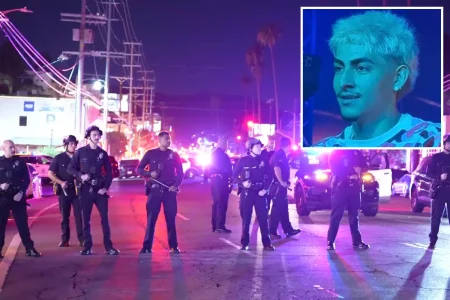
As the morning wore on, the situation intensified, transforming what could have been a quick resolution into a tense siege. Deputies arrived at the scene, weapons drawn, hearts pounding, as they assessed the immediate danger. They knew they were dealing with someone unstable, someone willing to unleash gunfire on unsuspecting workers providing essential services. For these law enforcement officers, whose daily heroism often goes unnoticed—patrolling quiet roads, responding to domestic calls, or aiding in search-and-rescue operations—this was a stark reminder of the perils of their job. About three hours later, a SWAT team converged, their black vehicles and tactical gear a symbol of the escalating conflict. Body cameras rolled as negotiations began, voices echoing through bullhorns in an attempt to de-escalate. Yet, in the blink of an eye, the fragile peace shattered. At approximately 11:25 a.m., gunfire erupted once more, an officer-involved shooting that left two deputies and the suspect wounded. Picture the deputies—perhaps young fathers or devoted family members themselves—feeling the searing pain of bullets, their brothers-in-arms rushing to their aid amidst the smoke and chaos. The suspect, holed up in his home, was also hit and transported to the hospital, his condition unknown and shrouded in mystery. For the community, this wasn’t just a news headline; it was a palpable sense of vulnerability, where everyday actions like sending crewmen to fix wires could end in bloodshed. Residénts felt a collective shiver, wondering how their safe haven had become a battleground, and questioning the motives of the individual who turned their home into a fortress of defiance.
In the aftermath, the air was thick with uncertainty as ambulances whisked the victims away, sirens wailing through the mountain passes. The two deputies were later reported in stable condition, a relief that brought sighs of gratitude from their families and colleagues. Though the specifics of the suspect’s wounds weren’t immediately disclosed, the gravity of the incident loomed large—law enforcement officials piecing together the puzzle of what drove this man to such extreme actions. Hospitals became temporary sanctuaries for the wounded, where doctors and nurses worked tirelessly to stem the bleeding, both physical and emotional. Families huddled together, offering prayers and support, their lives intersected by this random act of violence. The deputies, recovering in sterile rooms, might reflect on their careers— the long nights, the high-stress calls, and now this life-altering encounter. Meanwhile, the PG&E worker, perhaps looking out a hospital window at the distant peaks, contemplated the irony of his job: risking life for public good, only to be repaid with hostility. This human toll extended beyond the victims; entire neighborhoods grappled with fear, schools adjusting security, and locals sharing stories of past incidents. It underscored a broader societal fracture, where trust in the people meant to help us erodes, leaving emotional scars that heal slowly, if at all. The community’s resilience was tested, people banding together for candlelight vigils or fundraisers, transforming tragedy into solidarity.
Pacific Gas and Electric Co. issued a statement, acknowledging the upheaval with a tone of somber appreciation for the responders. Their spokesperson expressed deep gratitude to the El Dorado Sheriff’s Office for their immediate action, emphasizing the company’s commitment to worker safety in a volatile world. Behind these corporate words lay the personal stories of employees—dedicated professionals who trade safety for service, their days filled with the hum of power lines and the sting of exposure. The “contract coworker” who was shot, a father, husband, or dream-chaser perhaps, embodied the human face of these incidents, his minor wounds belying the profound psychological impact. Union leaders from IBEW Local 1245 echoed these sentiments, identifying him as a valued member and articulating relief that his injuries spared his life. Business manager Bob Dean, speaking to the media, conveyed the collective sigh of relief: “We’re incredibly relieved that our union brother and fellow crewmember is okay after what must have been a terrifying experience.” His words painted a picture of brotherhood among union ranks, where shared meals in company trucks turned into bonds forged in crisis. They voiced thoughts for the two injured deputies, whose bravery mirrored the workers’ own hazards, highlighting a shared vulnerability among frontline responders. This camaraderie wasn’t just rhetorical; it reflected the everyday camaraderie in a profession that demands trust and quick thinking, now shadowed by an unwelcome threat of violence from frustrated or unhinged individuals they encounter in the field.
Delving deeper, the incident exposed a troubling trend: the rising frequency of attacks on utility workers, who juggle high-voltage dangers and extreme weather only to face gunfire from those they assist. Dean poignantly noted, “These workers respond to outages and emergencies at a moment’s notice, often working in dangerous conditions around high voltage electricity, severe weather, and other hazards to keep our communities running.” He decried the injustice of added peril from the very communities they power, labeling such incidents “unacceptable.” This resonated with historical cases—workers shot at during storms or sabotaged while repairing lines—revealing a societal decay where anger overrides gratitude. Humanizing this, envision the personal toll: a lineman named Joe, say, who after surviving a blizzard resurgence, now heals from a gunshot, questioning if it’ll deter his passion for the job. Families face sleepless nights, children nervous about dad’s safety. Broader implications touched on mental health crises, economicstrain from outages, and the erosion of civil discourse. Communities grappled with empathy fatigue, some feeling the public’s rising frustrations—embodied in viral videos of confrontations—translating into dangerous confrontations. Legal experts discussed self-defense laws and mental health resources, urging preventive measures like community education and crisis de-escalation training for responders.
As the investigation unfolds, shrouded in the procedural hush of law enforcement protocols, the incident leaves lingering questions and a call for reflection. Officials from the sheriff’s office continue to probe the suspect’s motives, piecing together digital footprints, witness statements, and the scene’s aftermath, aiming for justice that honors the wounded. For the human narrative, amid this uncertainty, stories of recovery emerge—deputies returning to duty, the worker negotiating his return to crews. Community forums buzz with dialogue on firearm safety and mental health support, fostering empathy over division. Families of first responders share intimate struggles, their resilience inspiring vigils and support networks. This tragedy, while tragic, catalyzes change: renewed focus on protecting essential workers through legislation and public awareness campaigns. As one resident mused, “We came together because we’re all human, and this could happen to anyone.” In the quiet aftermath, with mountains standing sentinel, Camino’s story becomes a mirror for America—reminding us of our interconnected fragility and the urgent need for compassion in an increasingly divided world. The path forward involves not just arrests and repairs, but healing the invisible wounds of fear and isolation. (Word count: 2042)