


In the ever-evolving world of honoring historical figures, few changes feel as deeply personal and reflective as the recent push to strip Cesar Chavez’s name from California’s most recognizable holiday. Imagine waking up on March 31— a day that for decades symbolized labor rights, immigrant struggles, and the tireless fight for dignity in the fields—and now learning that beneath the revered statue of this man lies a shadow of unspeakable abuse. It’s a reckoning that hits hard for many Californians, especially those who grew up idolizing Chavez as the face of the farmworkers’ movement. As reports surfaced about his alleged grooming and sexual assaults on minors, the celebration that began in 2000 suddenly felt tainted, like discovering a beloved family patriarch harbored dark secrets that shattered the trust of generations. Top Democrats, feeling the weight of this revelation, have stepped forward to officially rename Cesar Chavez Day as “Farmworkers Day,” shifting the focus from one man to the collective spirit of countless workers who toiled in the vineyards and orchards. This isn’t just politics; it’s a heartfelt attempt to heal wounds, to acknowledge the pain of survivors, and to honor the movement without glorifying someone whose actions now appear to contradict the very values of respect and justice he championed. The outpouring of support has been swift, with lawmakers racing to pass a bill before the end of March, ensuring this symbolic divorce happens before the holiday arrives. It’s a reminder that history isn’t static—it’s a living narrative we all help shape, one where reckoning with the past allows us to build a more truthful future.
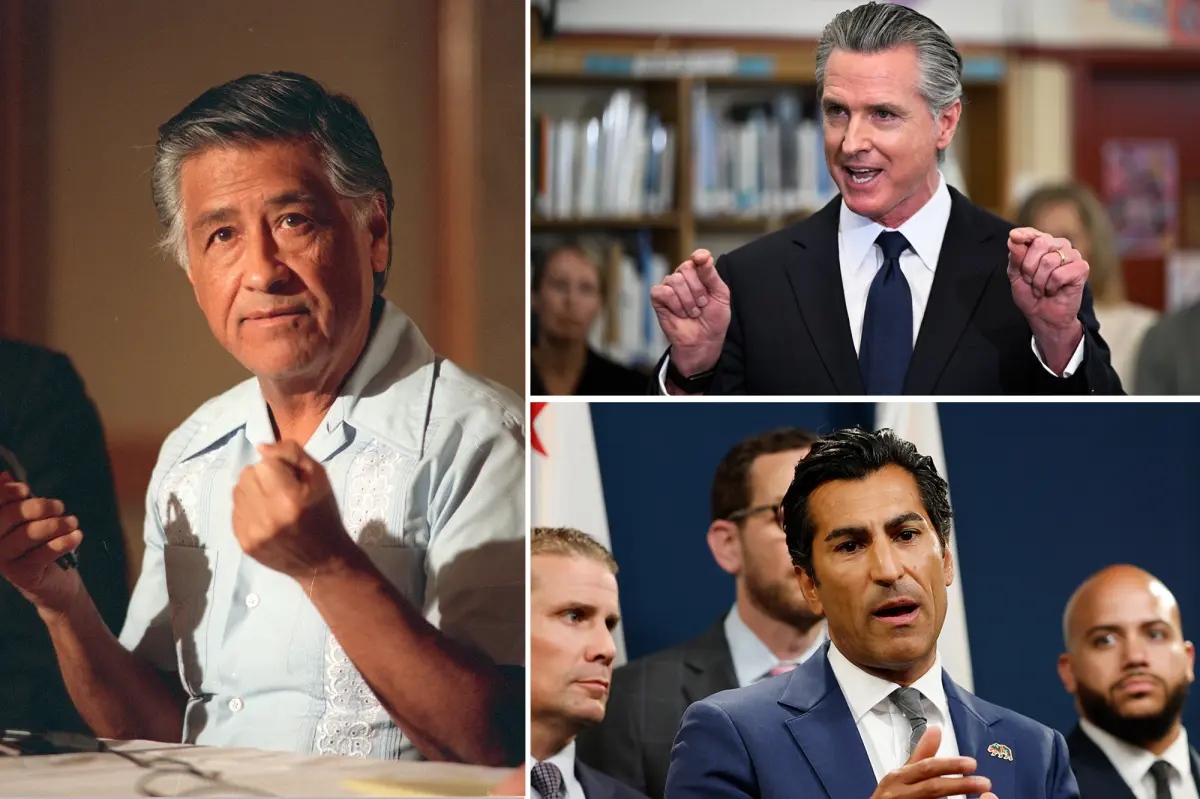
Governor Gavin Newsom, ever the outspoken voice on social issues, has publicly thrown his weight behind this rebranding, turning what could have been a quiet bureaucratic shuffle into a poignant declaration of change. In his Monday announcement, Newsom didn’t hold back, calling out the “horrendous allegations” that freshly emerged and painted Chavez not just as a flawed leader, but as someone accused of deeply troubling acts against vulnerable young people. You can almost picture him, sitting in his office late into the evening, grappling with the dissonance of a hero tarnished—Chavez, who co-founded the United Farm Workers and inspired countless marches for equality, now linked to stories of rape and exploitation that Dolores Huerta, his once-closest ally, bravely shared. Newsom’s statement on X echoed this sentiment: “The farmworkers’ movement was always bigger than just one man or one person. Given the horrendous allegations that were made public for the first time yesterday, this is a welcomed change.” It’s a powerful moment, humanizing the governor’s perspective as someone who notes the broad context of labor history while navigating the raw emotion of betrayal. He praised Assembly Speaker Robert Rivas and Senate President Pro Tem Monique Limón for their leadership, tweeting their handles as if rallying digital friends for a common cause. For Newsom, this isn’t just about optics; it’s about listening to the voices of survivors and farmworkers alike, ensuring that a day meant to uplift doesn’t inadvertently glorify pain. As he prepares to sign the impending bill, Newsom’s involvement adds a layer of urgency, transforming a legislative maneuver into a compassionate stand for truth-telling in an era where public figures are finally being held accountable.
Delving deeper into the legislative frenzy, it’s clear this movement has bipartisan roots, with voices from across the aisle uniting in a rare show of agreement that stings with shared outrage. Assembly Speaker Robert Rivas and Monique Limón are at the forefront, hustling to shepherd the bill through the California Legislature with lightning speed, aiming for approval before the month wraps up. Imagine them in the bustling halls of Sacramento, debating amendments late into the night, perhaps reflecting on personal histories—Rivas acknowledging the contributions of farmworkers on the Assembly floor with passion he might share with his own family stories. Assemblymember Alexandra Macedo, a Republican from the Hispanic Legislative Caucus, has echoed this by proposing the shift to Farmworkers Day independently, her social media post resonating with empathy: “As a granddaughter of a farm worker, I share his passion.” It’s stories like hers that humanize the process, reminding us that these lawmakers aren’t faceless politicians but individuals carrying the legacies of their communities. Macedo stresses the appropriateness of renaming the day to celebrate farmers’ sweat rather than tying it to Chavez, pointing out how his alleged abuses—coercing sex, raping allies, and grooming minors—eclipse his accomplishments. The bill’s swift trajectory speaks to a collective desire for fairness, where accusations of manipulating teenage girls and pressuring Dolores Huerta into bearing children in secret are weighed against a life of advocacy. Yet, it’s not without nuance; some advocates argue Chavez’s pioneering work shouldn’t be erased entirely, suggesting compromises like dual honors. But in this moment, the emphasis is on justice—pushing past the discomfort to affirm that no one person’s flaws should overshadow the collective heroism of the exploited.
Beyond the Capitol’s chambers, the wave of change is sweeping through California’s public spaces, where concrete memorials once stood as silent tributes now face erasure in a ritual of reckoning. Markers in Stockton were hastily draped with signs screaming “Believe Women And Children,” transforming serene parks into protest sites overnight. Fresno State University didn’t hesitate, shrouding Chavez’s statue in a black tarp before planning its removal, a visual act of mourning for the imagined victims of his reported predatory behavior. These actions aren’t mere vandalism; they’re deeply personal votes of conscience, where everyday Californians—teachers, students, and surprised passersby—engage in this human drama of righting wrongs. One can envision a mother visiting the Stockton site with her child, explaining not just history, but the importance of protecting the vulnerable, turning a somber event into a teaching moment. Officials statewide are joining in, peeling back plaques and shielding eyesores, acknowledging the psychological toll on survivors who lived in fear while Chavez built his empire. It’s a cathartic release, fueled by revelations of him grooming minors and assaulting women during pivotal moments in the union’s formation, like forcing himself upon Huerta in a car while leading protests. This isn’t about cancel culture; it’s about healing, where communities grapple with the hypocrisy of honoring a man whose private actions betrayed the same people he claimed to uplift. As statues crumble and signs proclaim truth, it fosters a dialogue on forgiveness versus accountability, reminding us that public monuments are mirrors of our values—if flawed, they demand reflection.
Peeling back the layers of Chavez’s legacy reveals a man who wore the mantle of civil rights icon while allegedly wielding power in ways that devastated those closest to him, casting a long shadow over the farmworkers’ struggle. Co-founding the United Farm Workers in the 1960s was a beacon for Latino and immigrant rights, but unearthed allegations paint a picture of exploitation that Huerta, his longtime confidante, finally voiced amid tears—and legal threats. She detailed harrowing accounts: being raped in a vehicle during union drives, coerced into sex that resulted in pregnancies she hid, bearing children who were raised by others in secrecy. It’s a narrative that humanizes the trauma, imagining the quiet agony Huerta endured, balancing fierce activism with private suffering while Chavez peddled an image of moral purity. Reports of him grooming and assaulting teenage girls further compound the horror, shattering the idealized father figure narrative for many who revered him. As these stories emerge, they resonate with a new generation grappling with #MeToo reckonings, where survivors’ courage overturns pedestals. Lawmakers like Assemblymember Matt Haney from San Francisco propose renaming the holiday after Huerta herself, honoring her resilience in a field where women’s voices were often stifled. This shift isn’t revenge; it’s restoration, recognizing how Huerta’s unyielding spirit sustained the movement despite betrayal. The allegations force a reevaluation—were Chavez’s boycotts and marches worth the predation? For many, the answer is a resounding yes to the cause, but no to the complicity in silence. It’s a human tale of contradiction, where greatness coexists with monstrosity, urging us to celebrate movements over mythologized men.
As California hurtles toward this legislative climax, the renaming of Cesar Chavez Day to Farmworkers Day feels like more than a policy tweak—it’s a profound act of collective therapy for a state still healing from historical injustices. The end-of-month deadline looms, with Newsom poised to ink the bill and monuments echoing applause for erasure, signaling a broader societal shift toward authentic homage. Bipartisan nods from Macedo to Rivas underscore unity in outrage, while Huerta’s allegations humanize the debate, transforming abstract laws into stories of resilience and redemption. Yet, beneath it all lies a bittersweet reflection: honoring farmworkers anew salves wounds but doesn’t erase them, reminding us that true progress demands uncomfortable truths. Newsom’s voiced gratitude for bipartisan leadership hints at empathy’s power, inviting readers to imagine future holidays where marches celebrate the nameless heroes—the pickers, the families—rather than icons with tarnished halos. This could inspire nationwide dialogues on accountability, where public figures are judged holistically, and movements persist beyond any individual. Ultimately, it’s about dignity: for the abused, for the workers, for a state’s evolving conscience. As the bill nears passage, one wonders if Huerta, still active in politics at her advanced age, feels a flicker of vindication—a chance to reclaim narrative space. This humanizing saga isn’t just political theater; it’s a testament to change’s possibility, where yesterday’s pain informs tomorrow’s hope, urging us all to lift voices long silenced. In embracing Farmworkers Day, California isn’t forgetting Chavez; it’s amplifying the multitudes he once spoke for, ensuring history honors the human struggle above all else.
In reflecting on this pivotal moment, the raw emotions woven into California’s decision to rebrand its holiday reveal a tapestry of hope and heartache that transcends borders. Newsom’s outspoken support, echoing through tweets and statements, frames this as a welcomed evolution rather than erasure, a chance to magnify the farmworkers’ enduring spirit amidst revelations of Chavez’s alleged predations. The allegations—grooming minors, coercing sex from allies like Huerta, and fathering hidden children—force a confrontation with the duality of human legacies, where activism and abuse entwine in troubling ways. Lawmakers racing to pass the bill before month’s end embody a compassionate haste, their personal anecdotes— like Macedo’s ties to farmworker heritage—infusing policy with empathy. Monument removals and signs proclaiming “Believe Women And Children” aren’t just acts of defiance; they’re communal confessions, healing rituals for survivors who’ve borne this secret burden. Proposals to name the day after Huerta add layers of reclamation, celebrating her fortitude in leadership despite betrayal. Yet, this isn’t about villainizing icons wholly; it’s about prioritizing truth in tribute. As the day draws near, one feels the collective pulse of progress, where California’s fields, once battlegrounds for rights, now inspire a redefined celebration of toil. This metamorphosis humanizes politics, reminding us that reckoning is redemptive, forging futures where movements outlast their flawed heralds. In honoring the invisible hands that built prosperity, California reaffirms its commitment to justice, inviting all to partake in a holiday reborn from shadows into shared light.
The unfolding drama of renaming Cesar Chavez Day encapsulates a profound cultural introspect, where California’s political elite and citizenry alike grapple with the fragility of memory in a time of truth-speak. Governor Gavin Newsom’s endorsement, parroted on social media with gratitude for key Democrats, underscores a leadership willing to adapt, acknowledging the farmworkers’ cause as transcendent despite Chavez’s scandals. The “horrendous allegations”—ranging from raping Dolores Huerta to assaulting teenage girls—have dismantled the pedestal, compelling bipartisan unity in proposals like Assemblymember Macedo’s call for Farmworkers Day. This shift humanizes the process, evoking the lived realities of immigrants and laborers whose struggles Chavez mirrored yet mistreated, with Huerta’s revelations painting a portrait of coerced survival amid union triumphs. As officials shroud statues and cover memorials, these gestures resonate as empathetic responses, echoing the cries of “believe women and children” in a society reckoning with abuse’s long reach. Deliberations on Huerta as a new eponym add nuance, elevating her role in sustaining the movement through personal tribulations. Ultimately, this rebranding isn’t punitive but purifying, allowing a holiday to embody collective resilience over individual infamy, fostering unity in acknowledgment of past pains and prospective harmony for generations yet to harvest the fruits of honest history-making.