


Justice Served in Tragic California Mall Murder Case
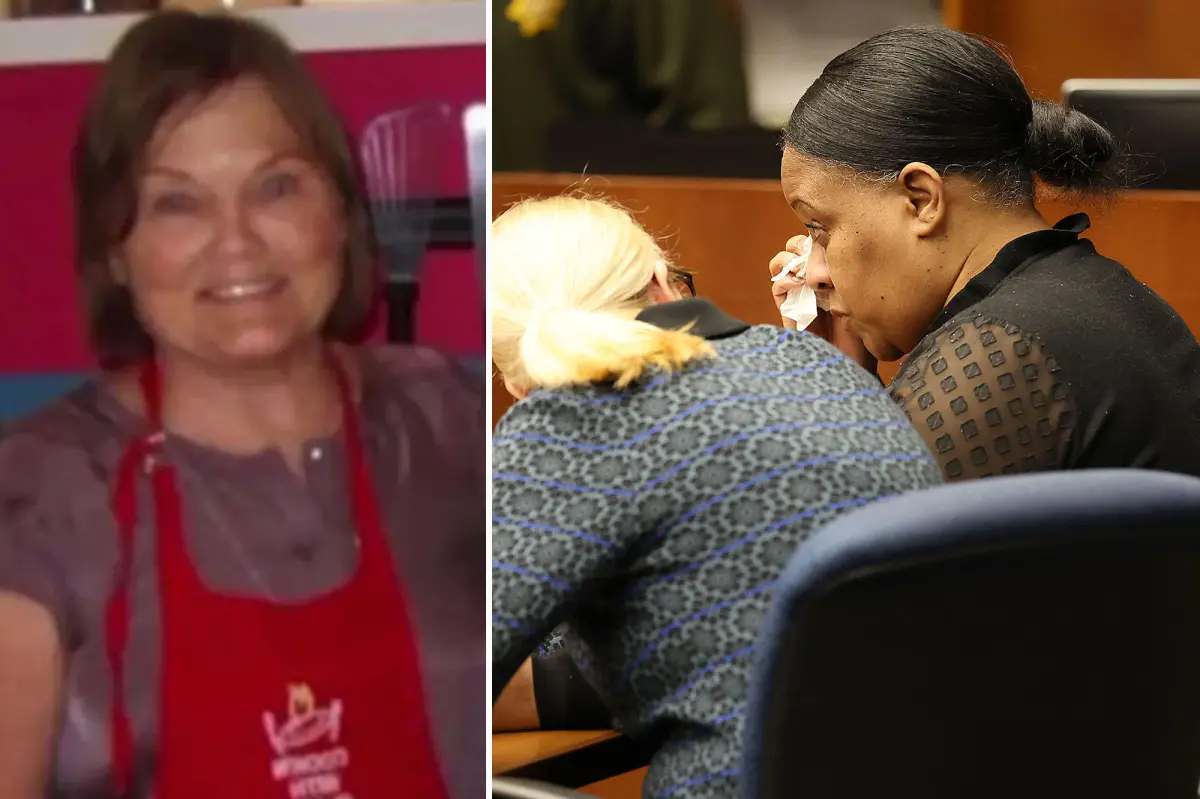
Nearly a decade after a shocking daytime murder at an upscale California shopping center, justice has finally been served. Cherie Townsend, a 47-year-old mother of two, has been convicted of first-degree murder in the killing of Susan Leeds, a 66-year-old retired nurse. The conviction, delivered on Thursday, closes a chapter on a tragic case that devastated a family and shocked a community. Leeds was brutally stabbed 17 times in her Mercedes-Benz SUV at the Peninsula shopping mall parking garage on May 3, 2018. According to prosecutors, Townsend’s motive was surprisingly mundane yet devastating in its consequences: she needed $2,000 to send her daughter to a cheerleading competition in Florida and had gone to the mall seeking an “easy target” to rob.
The path to justice in this case was far from straightforward. Initially, the Los Angeles County Sheriff’s Department identified Townsend as a suspect and arrested her shortly after the murder, but she was released less than a week later when prosecutors determined there wasn’t enough evidence for charges. Maintaining her innocence while acknowledging she had been at the mall that day, Townsend even filed a lawsuit against the Sheriff’s Department in October 2018, claiming false imprisonment, defamation, racial discrimination, and intentional infliction of emotional distress. This suit was later dismissed following her re-arrest in August 2023, when investigators had finally gathered enough evidence to charge her with Leeds’ murder.
The trial itself revealed the careful detective work that eventually led to Townsend’s conviction. While her public defender argued that no direct evidence tied her to the killing—no fingerprints, eyewitnesses, or surveillance footage captured the act—a critical piece of evidence proved decisive. A cell phone found beneath Leeds’ SUV initially thought to belong to the victim, contained Townsend’s photo when powered on. LA Sheriff’s Department criminologist Ilene Louie testified that DNA traces on this phone matched Townsend’s, creating a crucial link between the defendant and the crime scene. Prosecutors also presented evidence of Townsend’s desperate financial situation and her attempts to secure money for her daughter’s cheerleading trip, including considering a GoFundMe campaign (which she rejected for fear of embarrassing her daughter) and researching fake IDs for credit card transactions at Walmart.
The human toll of this tragedy extends far beyond the courtroom. Susan Leeds was not just a statistic—she was a retired Kaiser nurse who had dedicated her professional life to caring for patients with Type 1 diabetes. Her stepson, Fred Leeds, spoke movingly about her character, describing her as “a kind human being that would have done anything for anyone,” making the brutal nature of her murder all the more incomprehensible. The impact of the crime rippled through her family, with Fred noting that “so many lives were impacted by this murder.” Perhaps most poignantly, Susan’s husband of 25 years passed away in 2022, never living to see his wife’s killer brought to justice. His final words to his stepson haunt the case: “My Susie didn’t deserve this.”
The conviction brings a measure of closure to a case that has lingered painfully in the memories of those who loved Susan Leeds. It also serves as a stark reminder of how a moment of desperation and poor decision-making can lead to irreversible tragedy. Townsend, facing her own struggles as a mother trying to provide opportunities for her daughter, chose a path that resulted in the taking of an innocent life and the destruction of her own future. What began as a desire to send her child to a cheerleading competition has ended with a conviction that carries a potential sentence of 26 years to life in prison. Her sentencing is scheduled for January 23, marking the final legal chapter in this long-running case.
This tragic story encapsulates the complex intersection of economic pressure, parental aspiration, violence, and justice in American society. A mother’s desire to give her child opportunities—something many parents can relate to—transformed into a fatal decision with consequences that will reverberate through multiple families for generations. While the verdict cannot bring back Susan Leeds or undo the pain caused to her loved ones, it does represent the accountability that forms the foundation of our justice system. As this case finally reaches its conclusion nearly a decade after that fateful day in a shopping mall parking garage, it stands as a somber reminder of how quickly lives can be changed forever through acts of violence, and how persistent investigation can eventually bring even long-delayed justice.