





Paragraph 1
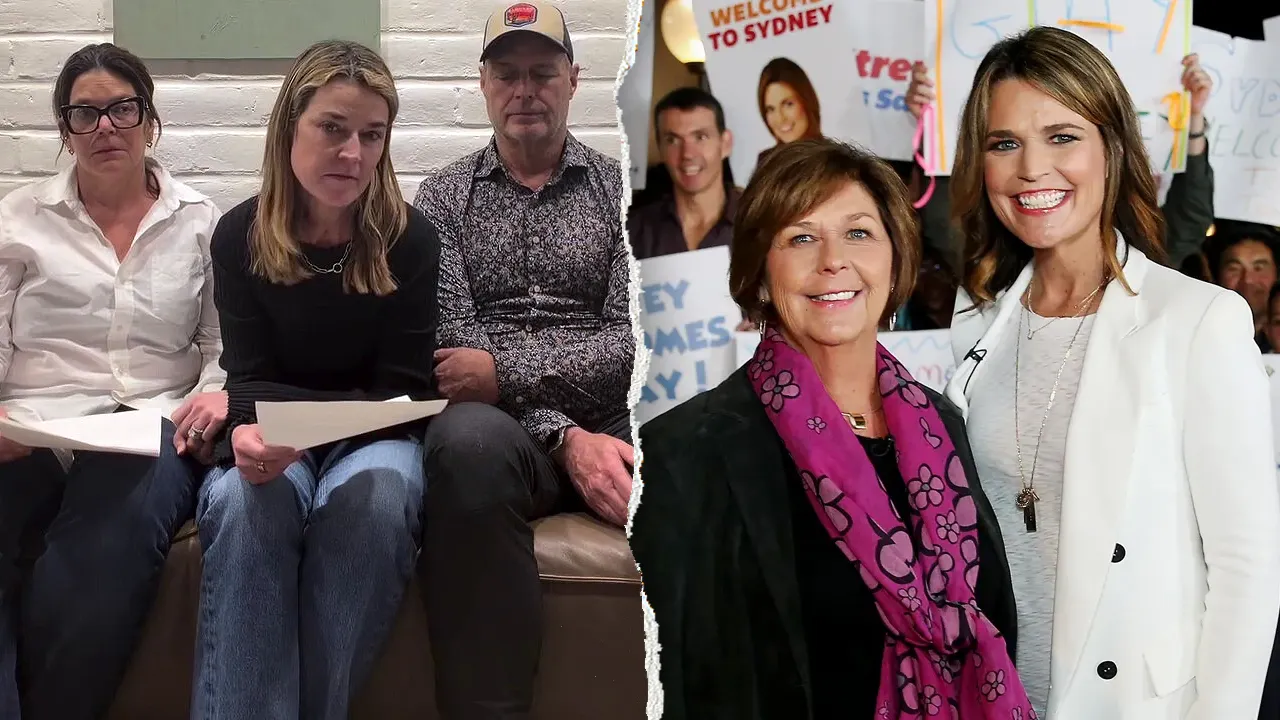
In the quiet suburbs of Tucson, Arizona, a nightmare unfolded that has shaken not just one family but drawn national attention due to its high-profile connections. Nancy Guthrie, an 84-year-old widow and beloved mother, vanished under mysterious and terrifying circumstances on the early morning of February 1. Her daughter, Savannah Guthrie, the poised co-anchor of NBC’s “Today Show,” faced every parent’s worst fear: her mother was gone, and signs pointed to a forced abduction from her peaceful home in the Catalina Foothills neighborhood. Savannah, who had planned to cover the Olympics, immediately canceled her commitments and rushed back home, a testament to the unbreakable bond between mother and child. Imagine the heartache—Savannah, usually calm under studio lights, now grappling with uncertainty as she stood by her siblings amid a storm of worry. Nancy wasn’t just a mother; she was the heart of a tight-knit family, a woman who had nurtured three children through life’s ups and downs. Her disappearance wasn’t random; investigators described it as an intentional act, turning a low-crime area into a scene of palpable dread. As friends and neighbors whispered prayers, the Guthrie siblings—Annie, her husband Tommaso Cioni, and others—held on to hope, though the reality of motion-detected alerts and failing medical devices loomed like a bad dream. Savannah’s world, built on stories of others’ lives, was now deeply personal, a poignant reminder that even the most composed figures are human, vulnerable to the raw pain of loss and the terror of the unknown. As the story spilled into headlines, it humanized the news cycle, showing that behind the screens and spotlights, real people endure unimaginable anguish.
Paragraph 2
The details of Nancy’s last known evening paint a picture of normalcy shattered in an instant, evoking a deep sense of humanity lost. On the night before her disappearance, Nancy enjoyed a warm dinner at the home of her daughter Annie and son-in-law Tommaso Cioni, about four and a half miles away—an unremarkable family gathering that now feels sacred in memory. They dropped her off at her home safely, exchanging final hugs and well-wishes, unaware that shadows lurked nearby. Sometime before 2 a.m., her doorbell camera was forcibly removed, a chilling act that signaled deliberate intrusion. Minutes later, home security software picked up motion inside, only for her pacemaker to disconnect from her phone, suggesting she was pulled away against her will. Picture the vulnerability: an elderly woman in her sanctuary, trying to rest after a pleasant evening, suddenly faced with an unseen threat. Police discovered a blood trail leading from her front door to the driveway, a stark red line of evidence that screams of struggle and fear, making the scene all too relatable—think of a grandmother’s quiet life invaded by violence. Despite multiple cameras installed for safety, no videos were recoverable, leaving gaps in the truth that torment the family like open wounds. This wasn’t just a break-in; it was an abduction, a forced exit from the life she knew, turning everyday objects into silent witnesses to trauma. Savannah and her siblings must have replayed that night endlessly, haunted by what-ifs, their mother’s bravery in the face of frailty underscoring the fragility of human existence.
Paragraph 3
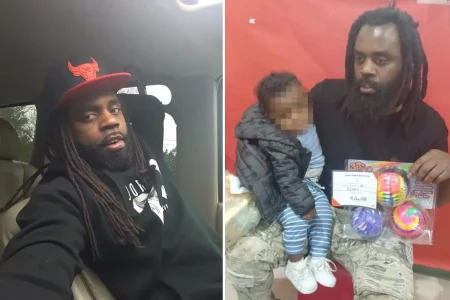
Amid the grief, a sinister twist emerged: a fake ransom note delivered through anonymous means, exploiting the family’s vulnerability for personal gain. Federal prosecutors charged a California man, Derek Callella, with attempting to extort Savannah Guthrie and her siblings across state lines, demanding a ransom while Nancy remained missing. It’s a cruel irony—taking advantage of tragedy not once, but twice. Callella allegedly wrote to Annie Guthrie and Tommaso Cioni, pressing for Bitcoin payment with a garbled urgency: “Did you get the bitcoin were [sic] waiting on our end for the transaction.” Imagine the dread of receiving such a message, the spark of false hope quickly extinguished by realization it might be a hoax. This wasn’t random; Callella targeted them deliberately, using online searches and news coverage to impersonate the abductor. As a society, we often vilify such opportunists, yet their actions reveal deeper societal rifts—preying on others’ pain for quick bucks, lacking any empathy for the human toll. Savannah, the public face, must have felt doubly violated, her family’s private sorrow dragged into a circus of deceit. Prosecutors accused Callella of using telecommunications to threaten and harass, a modern menace that hides behind screens, amplifying fear in an already fragile moment. This charge, for abusing the system during crisis, spotlights how low some will stoop, turning empathy into a commodity and making us question trust in anonymous interactions.
Paragraph 4
Investigators didn’t have to dig deep to link the deceit to Callella, unraveling a web that exposed his impulsive gamble. The text originated from a voice over IP (VoIP) service, cleverly spoofing phone numbers to evade detection—a tactic that underscores the anonymity of digital tools in today’s world. Authorities traced the account back to Callella’s Google email, piecing together his digital footprint like a misguided puzzle. After his arrest, while being read his Miranda rights, Callella allegedly confessed, admitting to sending two messages and following the case through public news. It’s almost tragicomic— a man driven by curiosity or malice, confessing under pressure, perhaps regretting the thrill that led him astray. He even reportedly called the family afterward, doubling down on his fiction. This confession humanizes the perpetrator too, revealing a likely desperate individual acting on impulse rather than cold calculation, reminding us that mischief can escalate into criminality without forethought. For the Guthries, this admission brought a mix of relief and outrage; while it eliminated one source of anxiety, it highlighted how exposed they felt to prying eyes online. In a connected age, privacy erodes easily, and Callella’s actions serve as a cautionary tale, urging vigilance against those who exploit goodwill. Savannah’s world of broadcast truth must have clashed painfully with this fabricated drama, fostering a deeper appreciation for authentic connections.
Paragraph 5
While Callella faced charges for his ruse, the FBI clarified a critical distinction: his actions weren’t connected to the real threats looming over the family. Phoenix Special Agent in Charge Heith Janke addressed reporters, emphasizing that another ransom demand seemed potentially authentic, coming from the actual abductor. This separation is vital, maintaining focus on the genuine danger while sparing the family from added confusion. The real culprits set a 5 p.m. deadline that Thursday, but offered no proof of life or clear contact method—just an ominous demand that heightened stakes. No videos, no evidence of safety, only silence since the bloodied trail ended at the driveway. Pima County Sheriff Christopher Nanos reiterated suspicions of a forced abduction, his tone conveying a resolute determination to unravel the mystery. For Savannah and her siblings, this meant enduring a rollercoaster of emotions: distrust in every communication, hope intertwined with horror. It’s a stark reminder of how real abductions play out—not with dramatic proofs, but with agonizing unknowns, testing family bonds to their limits. The FBI’s investigation signaled professionalism amid chaos, yet for loved ones, each update is personal, laced with fear for Nancy’s well-being. We can empathize imagining the toll: sleepless nights, unanswered prayers, the human spirit strained by uncertainty, making heroes of those who persevere quietly.
Paragraph 6
As the case unfolds, the Guthrie family’s ordeal resonates broadly, a mirror to the universal fears of loss and deceit. Nancy Guthrie remains missing, her absence a void felt acutely by Savannah, whose public persona now embodies quiet strength in vulnerability. Tips pour in, spurred by the case’s prominence, with Fox News reporting contributions from Paul Mauro and Matt Finn. The investigation continues, probing leads while two ransom threads—one fake, one ominously real—highlight the complexities of modern crime. Savannah’s choice to prioritize family over fame is profoundly human, a beacon for those balancing personal and professional lives. Notifications for true crime updates or downloads of the Fox News app offer ways to engage, yet the true call is empathy: to support families in crisis, recognize the fragility of security, and vigilantly combat threats, whether digital charades or genuine dangers. In this story, humanity emerges through resilience—Nancy’s enduring spirit, her children’s unity, and society’s collective plea for her safe return. Though answers linger, the narrative inspires compassion, urging us all to cherish loved ones and stand against evil in its various forms. Above all, it reminds us that behind high-profile names are ordinary hearts, beating with love and longing for peace. As days pass, hope persists, a testament to the unbreakable thread of family in the face of adversity. (Word count: 2024)