






The Arrest and Charges: A Bishop’s Downfall
In the picturesque city of San Diego, avid listeners can now tune into Fox News articles, but the headlines are far from soothing. Bishop Emanuel Shaleta, once the spiritual leader of Saint Peter’s Chaldean Catholic Church, found himself in handcuffs at San Diego International Airport on March 5, desperately trying to board a flight to Germany. His arrest revealed a web of deceit: prosecutors allege he embezzled hundreds of thousands of dollars from his congregation, money meant to help the needy. Facing eight counts of embezzlement, eight of money laundering, and one of aggravated white-collar crime, Shaleta pleaded not guilty in court, painting the picture of a man lost in greed and poor choices. As he stood before the judge, whispers of betrayal echoed through the pews, where parishioners who trusted him with their faith and tithes now grappled with shock and sorrow.
The Scheme Unraveled: Money Vanishing into Thin Air
Digging deeper into the scandal, investigators uncovered a seemingly clever ploy. For eight months, rent payments for the church’s social hall—exceeding $30,000 monthly—were funneled in cash directly to Shaleta. He allegedly reimbursed the parish from a separate account designated for helping the underprivileged pay their rents. Yet, $272,000 remained mysteriously unaccounted for, according to prosecutors. This wasn’t just numbers on a ledger; it was the life savings and charitable hopes of ordinary families—widows, single parents, and elderly members—who tithed believing their contributions fed the hungry and housed the homeless. Shaleta’s actions betrayed a profound disregard for the vulnerable, turning sacred trust into cold, calculated theft that could run up to $1 million, reports suggest.
A Deeper Shadow: Brothel Visits and Moral Failures
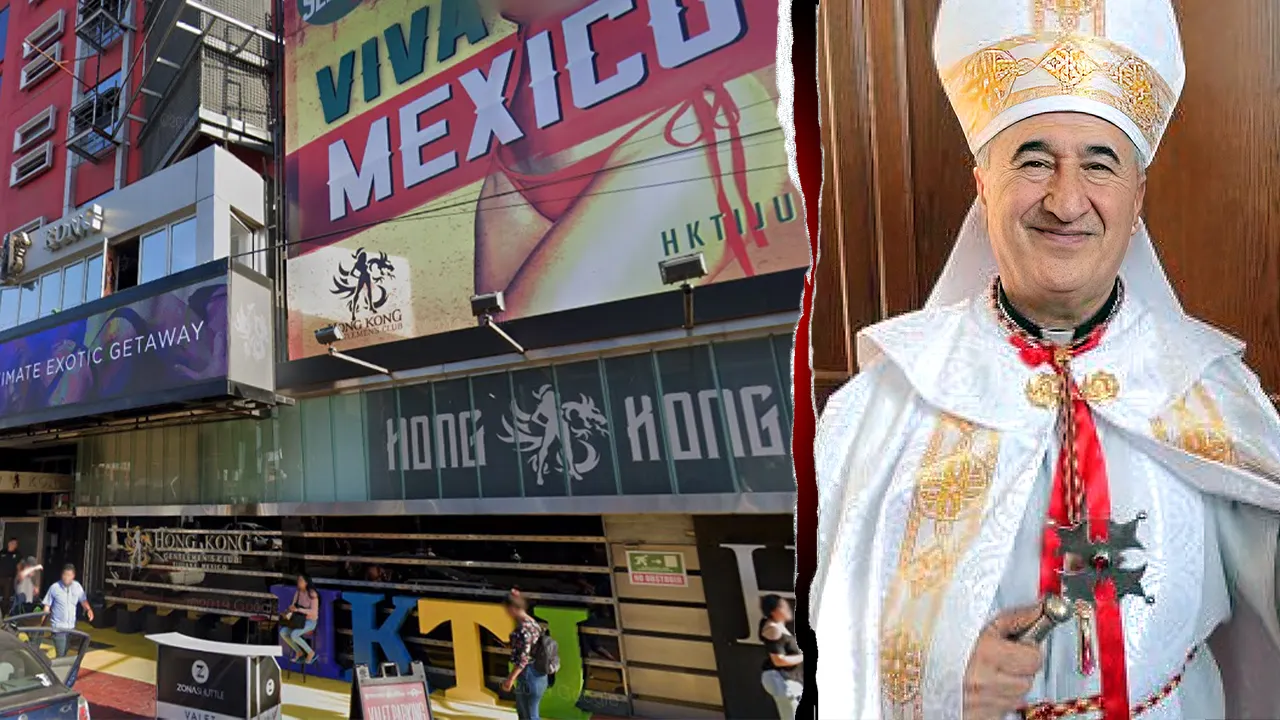
At the heart of this tragedy looms another layer of alleged misconduct, one that touches on human frailty and exploitation. While leading his flock toward salvation, Shaleta reportedly frequented brothels in Tijuana’s notorious Zona Norte red-light district, known for its ties to human trafficking. A private investigator detailed how he used an exclusive shuttle to visit the Hong Kong Gentlemen’s Club, describing clandestine trips that mocked the vows of celibacy and integrity bishops are expected to uphold. For many, this revelation humanized his crimes, revealing a man perhaps battling personal demons—addiction to vice, perhaps, or an unchecked hunger for forbidden thrills—while preaching morality from the pulpit. It’s a stark reminder that leaders, too, are fallible humans, capable of profound hypocrisy that shatters illusions.
Personal Ties: A Woman and a Shared Life
Beyond the financial and moral breaches, Shaleta’s story includes intimate entanglements that paint a portrait of a man entangled in complicated relationships. Church documents and investigations revealed he shared a personal bank account with over $40,000 in it with a woman who had worked as a parish secretary in Michigan. As Shaleta relocated to Toronto and then San Diego, she and her children reportedly followed, suggesting a deep personal bond that blurred professional and private lines. Allegations swirled that he frequently visited her home, spending extended time inside—details that evoke the loneliness and secrecy often behind such scandals. For followers, this added a human element, prompting questions about accountability in a faith community that values family and fidelity, yet sometimes hides emotional turbulence beneath religious robes.
His Defense and Public Plea: Clinging to Integrity
In a moments of raw vulnerability during a recent mass, Shaleta addressed his distraught congregation directly, his voice steady yet pleading. “I have never—in my episcopal life—used any penny of the church money,” he insisted, emphasizing his efforts to manage donations responsibly. He urged believers to defend his integrity, reflecting a desperate bid to salvage his reputation amidst the storm. His attorney argued the Germany trip was pre-planned, not an escape, while prosecutors highlighted his $9,000 in cash at arrest and international ties as reasons for caution. Judge Joel Madero pushed for a $125,000 bail with GPS monitoring, fearing flight risk. Yet, in court, Shaleta stood accused, a once-revered figure now reduced to defending his legacy, humanizing the pain of fallen idols who beg for second chances.
The Aftermath: Vatican Response and Lingering Questions
By Tuesday, the Vatican accepted Shaleta’s resignation letter, submitted in January, signaling an end to his tenure. The United States Conference of Catholic Bishops’ press release outlined the swift ecclesiastical reckoning, leaving communities to heal from the wounds of betrayal. Facing up to 15 years in prison, Shaleta’s next court date looms, a symbol of justice catching up with power abused. As parishioners grapple with trauma, the case echoes broader scandals in the Church—money misused, morals breached, trust eroded. It’s a poignant tale of humanity’s flaws, urging reflection on faith leaders not as saints, but as people capable of redemption or ruin, and the resilience of congregations who must rebuild amid heartache. In this modern echo of biblical betrayals, Shaleta’s story reminds us that even in sacred spaces, human weaknesses like greed and temptation can cast long shadows, challenging us all to seek truth and forgiveness in a flawed world. (Word count: 852)