

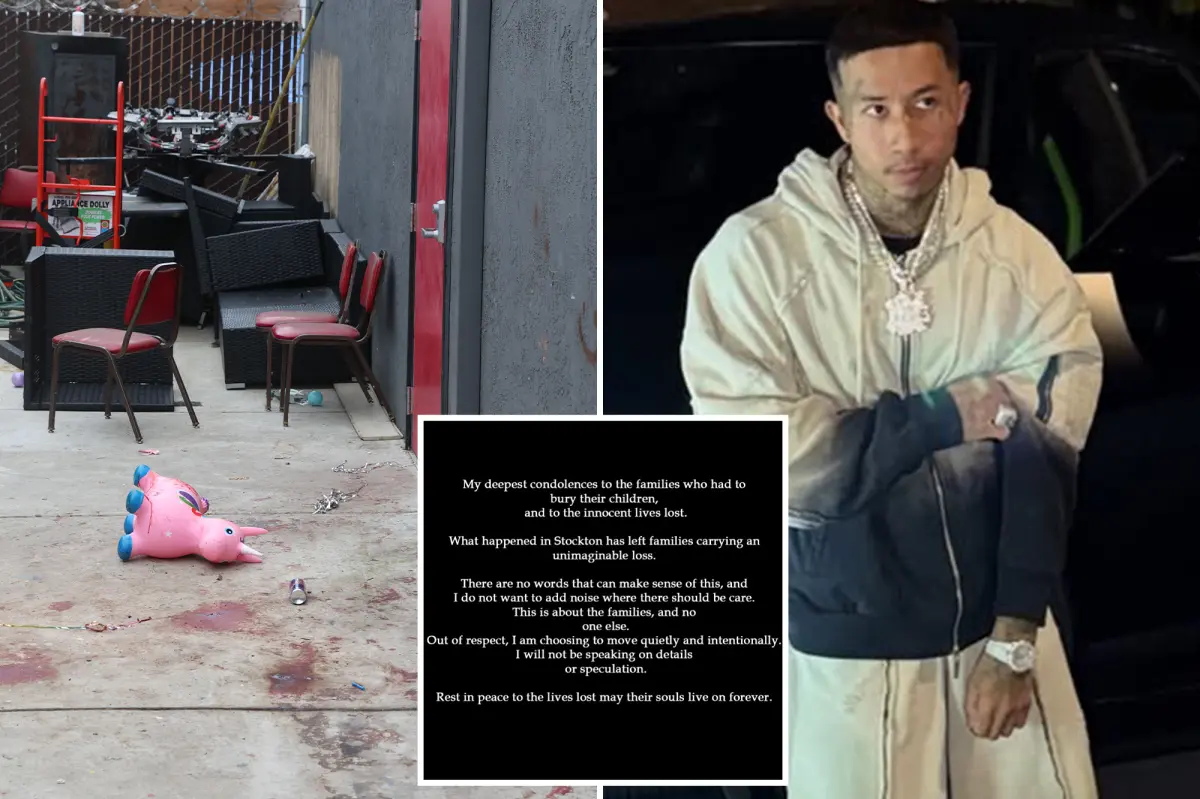
Stockton Rapper MBNel Breaks Silence After Tragic Birthday Party Shooting
In a somber Instagram post on December 20, Stockton rapper MBNel finally addressed the devastating mass shooting that occurred at a child’s birthday party on November 29, claiming four lives and injuring eleven others. “What happened in Stockton has left families carrying an unimaginable loss,” wrote the artist, whose real name is Johnel Dongon. His brief statement maintained a respectful distance from the tragedy’s details, emphasizing that he would “move quietly and intentionally” and refrain from commenting on “details or speculation” surrounding the incident. This marks his first public acknowledgment of the horrific event that has left the Stockton community reeling in grief and searching for answers. The rapper’s measured response comes amid reports that he himself was among those wounded in the shooting that transformed a celebration into a nightmare.
According to MBNel’s father, Junior Dongon, the rapper had simply attended the event to “drop off a present at his friend’s party, whose daughter was the celebrant” when violence erupted. In a conversation with The Post, the elder Dongon revealed that his son had been shot during the incident but was recovering from his injuries. Following the shooting, MBNel reportedly fled to the Sacramento area out of concern for his safety—a decision that aligns with previous security measures he had taken. Junior Dongon explained that his son had already moved away from Stockton two years prior due to safety concerns, particularly after an incident where assailants had “shot 22 bullets” at his parents’ home. After the birthday party shooting, MBNel apparently called his father with explicit instructions: “Don’t say anything to anybody,” suggesting the rapper recognized the potential dangers of being associated with the incident, even as a victim.
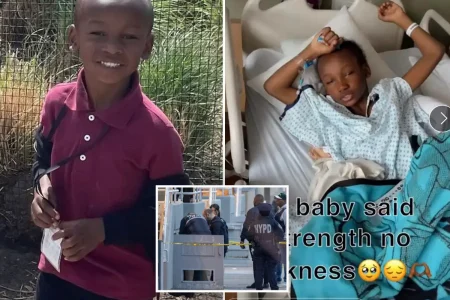
The shooting took place at Monkey Space banquet hall during what should have been a joyful celebration for a 2-year-old child, but instead became one of the most tragic events in recent Stockton history. The human toll was devastating, with four fatalities including three children. Among those lost was 14-year-old Amari Peterson, described heartbreakingly by his father as “the perfect kid” whose promising future was abruptly cut short. Another victim, Maya Lupian, was a third-grade student who was just two weeks away from celebrating her ninth birthday when her life was taken. These personal details transcend statistics, illuminating the profound grief that has enveloped the families and the broader community in this city of approximately 300,000 residents. Stockton Mayor Christina Fugazi has indicated that the mass shooting was connected to gang violence, adding another layer of complexity to this already devastating situation.
Despite the gravity of the crime and its impact on the community, law enforcement has struggled to make progress in identifying those responsible. No arrests directly related to the shooting have been made, despite urgent appeals from community leaders for witnesses to come forward with information. This lack of cooperation from potential witnesses highlights the complex dynamics at play in communities where fear of retaliation often outweighs the desire for justice. In the immediate aftermath of the shooting, two partygoers were arrested for parole violations, but authorities have clarified that neither individual is considered a suspect in the shooting itself. Additionally, Stockton police arrested five people on gun- and gang-related charges in the hours following the incident, though reports from CBS News indicate there was no established connection between these arrests and the birthday party massacre.
The tragedy at Monkey Space banquet hall represents more than just another incident of violence in a city that has struggled with crime; it symbolizes the heartbreaking vulnerability of innocent lives caught in the crossfire of broader social issues. The fact that children celebrating a birthday—engaged in what should be one of childhood’s most protected and joyful rituals—became victims of such violence has deeply shaken the Stockton community. The silence that has followed, both from potential witnesses and, until recently, from figures like MBNel who may have information about what transpired, reflects the complicated reality of communities where violence has become normalized. MBNel’s decision to finally speak out, even in limited fashion, may represent a small step toward breaking this code of silence, though his careful wording suggests he remains conscious of the potential risks of full disclosure.
As Stockton continues to mourn and search for healing, the community faces difficult questions about how to prevent such tragedies in the future. The loss of young lives like Amari Peterson and Maya Lupian serves as a painful reminder of violence’s indiscriminate nature and the urgent need for effective interventions. MBNel’s cautious emergence from hiding to acknowledge the tragedy suggests the profound impact this event has had even on those who have become accustomed to navigating dangerous environments. His message of condolence, though brief, acknowledges the “unimaginable loss” suffered by families—a recognition that may resonate with many in Stockton who have experienced similar trauma. As the investigation continues without clear suspects, the community’s path to justice and healing remains uncertain, highlighting the complex challenges facing cities where cycles of violence have become deeply entrenched despite the resilience of residents determined to create safer environments for their children.