





Brown University’s Security Issues: A Long-Standing Problem
In the wake of a devastating mass shooting at Brown University that claimed the lives of two students and injured nine others, serious questions have emerged about the Ivy League institution’s approach to campus security. An investigation reveals that Brown has consistently downplayed or ignored security concerns for years, prioritizing its public image over the safety of its students and staff.
The engineering building where the recent tragedy occurred lacked basic security measures that might have prevented or mitigated the attack. There was no swipe-card access system, allowing anyone to enter through the public coffee shop on the premises. Unlike some other campus buildings, no security officer was stationed at the entrance. Perhaps most troublingly, when the shooting occurred, a critical 17-minute delay separated the initial 911 call and the university’s first alert to students, according to timeline reporting from the student newspaper. This delay potentially left students vulnerable during precious minutes when they could have sought safety.
This pattern of security negligence extends back years. In 2023, the university faced a credible mass shooting threat from Dennis “DJ” Hernandez, the brother of former NFL player Aaron Hernandez. Bristol, Connecticut police explicitly warned Brown that Hernandez had mapped out the campus for a potential attack after displaying “very erratic behavior.” In disturbing messages, Hernandez wrote, “When I go, I’m taking down everything. And don’t give a f–k who gets caught in the crossfire,” and chillingly added, “Not all shootings are bad I’m realizing. Some are necessary for change to happen.” Despite these explicit warnings, Brown’s Department of Public Safety dismissed the threat as “not based on credible intelligence.” The university proceeded with a planned children’s reading event that typically draws dozens of local K-12 children, merely noting that the department’s comfort dog “has a conflict” and couldn’t attend. Hernandez was eventually arrested by Bristol police and later sentenced to 18 months of time served with three years of supervised release after federal charges.
Another troubling incident occurred in 2021 when Brown allegedly refused to immediately contact Providence police after receiving a bomb threat from someone claiming to have placed explosives throughout campus and carrying an AR-15. According to the Brown Daily Herald, it took an hour before the local K-9 unit was finally called—and only after the school’s own public safety officers insisted on it. The university then waited another full hour before alerting students about the potential danger. Even more concerning, one officer later claimed the university altered his official report to remove mentions of his security concerns and references to the delay in response. Michael Greco, a 17-year school safety officer, was eventually diagnosed with PTSD months after this bomb threat and filed a lawsuit against the university. In an email to administration, Greco wrote, “Officers of this department, myself included, worry that Brown’s desire to protect its reputation, at all costs, leads to a willingness to gamble with our lives.”
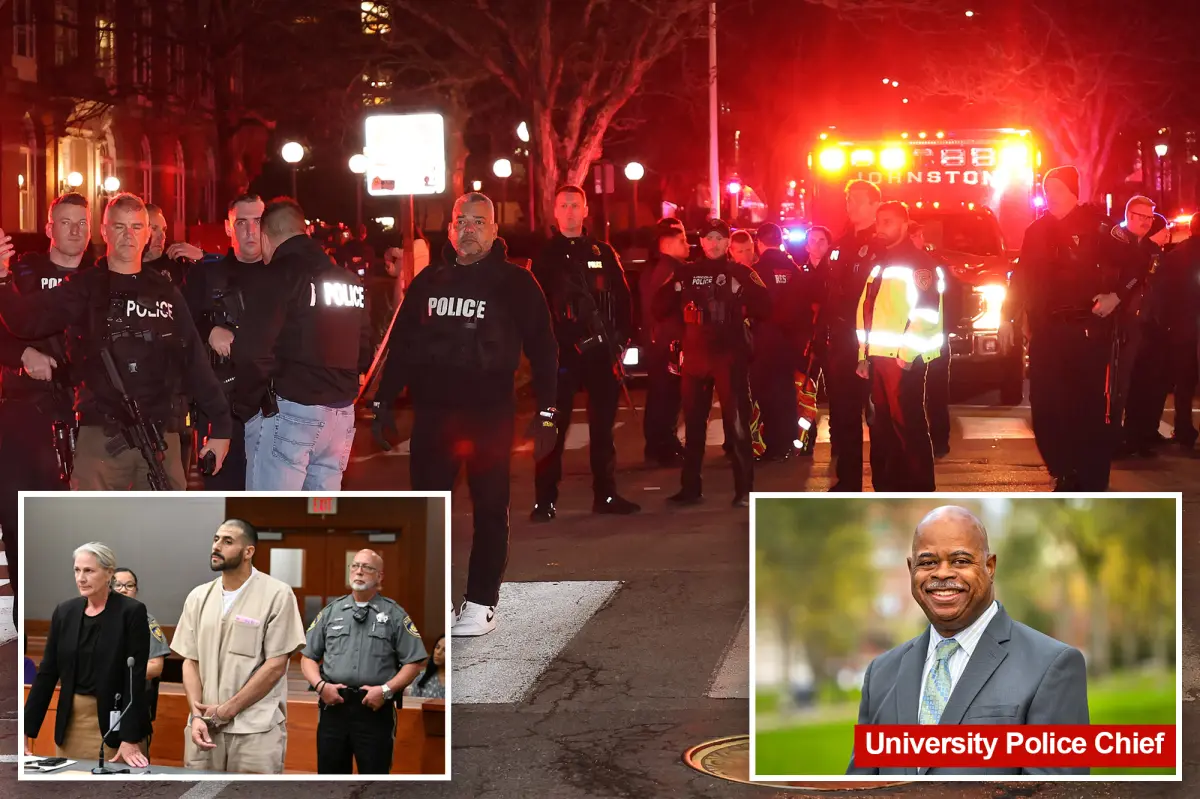
The concerns about Brown’s security approach aren’t limited to a few isolated incidents. The university’s own security staff has repeatedly expressed alarm about the administration’s priorities. In 2025 alone, security officers have issued two votes of no confidence against the university’s police chief Rodney Chatman and the Department of Public Safety. The student newspaper published a scathing editorial in October describing the security problems as a “threat to public safety” and accused the university of “failing in its obligation” to keep students safe. These internal criticisms suggest a deeply rooted institutional problem rather than occasional lapses in judgment.
When asked to respond to these allegations, Brown University did not provide comment to reporters. However, President Christina Paxon recently stated she was “deeply saddened” to see people questioning the university’s commitment to safety. This response, focusing on perception rather than acknowledging specific security failures or proposing concrete improvements, seems to reinforce the criticism that the institution values its reputation above meaningful security reform. As the community mourns those lost in the recent shooting and supports those who were injured, the question remains whether this tragedy will finally prompt Brown to fundamentally reconsider its approach to campus safety—prioritizing actual security measures over public relations concerns.