







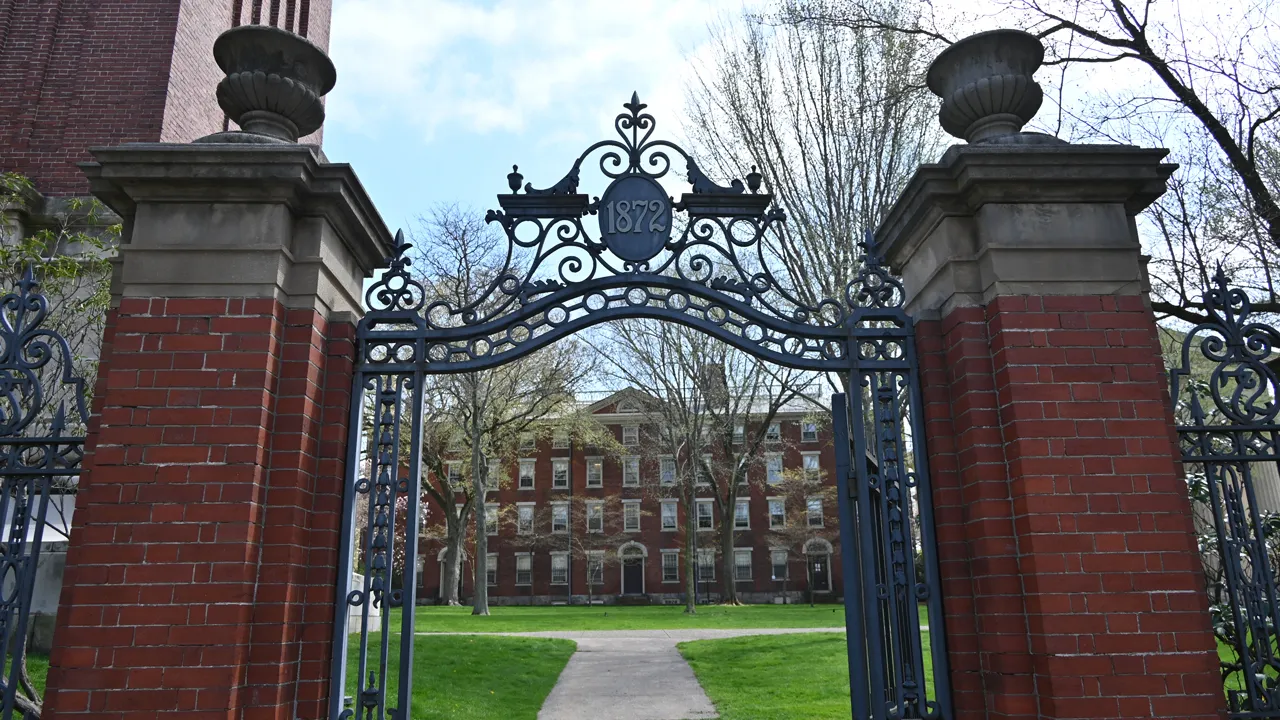
Brown University Community on Alert Following Active Shooter Report
In a tense development this Saturday afternoon, Brown University officials issued an urgent notification about an active shooter situation near the Barus and Holley engineering building, prompting immediate emergency protocols across campus. The Rhode Island university’s alert system quickly mobilized, sending students a series of safety instructions through multiple channels including voicemail and text messaging. The rapid response highlights the unfortunate reality that even prestigious academic institutions must now maintain comprehensive emergency procedures for such frightening scenarios.
Students received explicit safety guidance following standard active shooter protocol: “RUN, if you are in the affected location, evacuate safely if you can; HIDE, if evacuation is not possible, take cover; FIGHT, as a last resort, take action to protect yourself.” These instructions reflect the training that has become increasingly common on American campuses. The alert text message urged students to “lock doors, silence phones and stay hidden until further notice” – sobering instructions that no student should have to receive, yet represent the necessary precautions in our current climate where campus safety can never be taken for granted.
As Rhode Island authorities responded to the scene, the Brown University community was left in a state of anxious uncertainty. Such incidents immediately transform college campuses from places of learning and community into environments of fear and concern. For students, particularly those in proximity to the engineering building, what began as an ordinary Saturday suddenly became a moment where their sense of security was fundamentally challenged. Parents, many likely miles away, would have received these alerts with particular dread, unable to reach or protect their children during such a frightening situation.
The incident at Brown University adds to a troubling pattern of campus safety concerns that have affected educational institutions across the United States. These events not only disrupt the academic environment but leave lasting psychological impacts on students, faculty, and staff. The immediate implementation of lockdown procedures demonstrates how universities have had to adapt to contemporary threats, investing in alert systems and training that would have seemed unnecessary in earlier decades. Each such incident renews difficult questions about campus security, access policies, and the balance between creating open learning environments and ensuring community safety.
At the time of the initial report, details regarding potential injuries or casualties remained unknown, adding to the apprehension felt throughout the campus and beyond. The uncertainty during such situations often compounds the stress experienced by everyone connected to the institution. Social media typically fills with concerned messages from friends, family, and alumni seeking information about loved ones, while university officials work to provide accurate updates while managing a complex emergency response. These critical first hours of an incident require both rapid action and careful coordination across multiple agencies and university departments.
As this situation continues to develop, the focus remains on ensuring the safety of everyone at Brown University while authorities work to resolve the threat and investigate its origins. The immediate aftermath of such incidents often brings a community together in support and solidarity, even as it processes the shock of having experienced such an event. University counseling services will likely be mobilized to help students cope with the psychological impact, regardless of the ultimate outcome. The Brown University community, like others that have faced similar threats, will need time and support to restore its sense of security and return to the academic mission that defines campus life.