




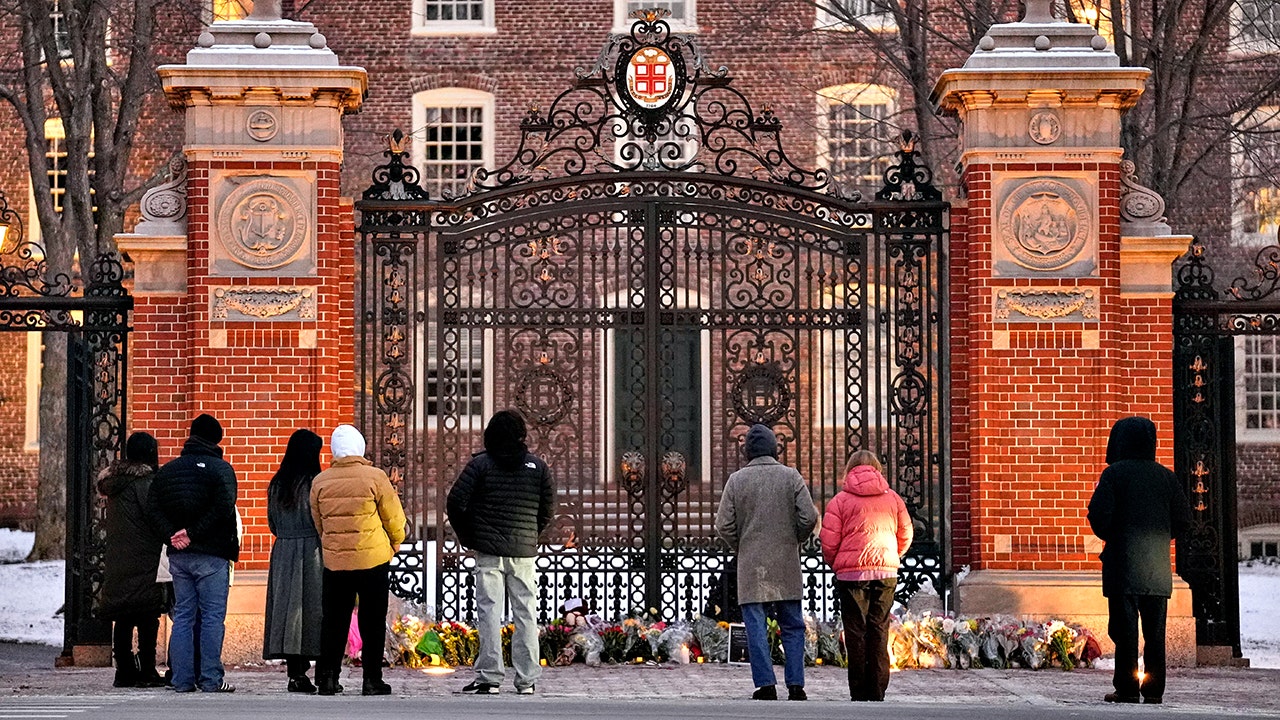
Brown University Shifts Leadership Amid Tragedy and Federal Investigation
In the wake of a devastating campus shooting that claimed two lives and left nine injured, Brown University has placed its police chief, Rodney Chatman, on administrative leave. This decision, announced by University President Christina H. Paxson on December 23, comes just over a week after the tragic incident at the Barus and Holley engineering and physics building, where 48-year-old Claudio Manuel Neves Valente allegedly opened fire. The university has appointed former Providence Police Department Chief Hugh T. Clements to serve as interim replacement while the institution navigates through this crisis. Currently, five victims remain hospitalized in stable condition as the campus community begins its long healing process.
Compounding the university’s challenges, the U.S. Department of Education has launched an investigation into potential violations of the Jeanne Clery Campus Safety Act, which mandates certain safety requirements for institutions receiving federal student aid. Education Secretary Linda McMahon emphasized that “students deserve to feel safe at school,” stating that the department is reviewing whether Brown “has upheld its obligation under the law to vigilantly maintain campus security.” This federal scrutiny adds pressure to an administration already facing difficult questions about campus safety protocols and emergency response procedures. The investigation will likely examine whether Brown provided adequate security measures and followed proper notification procedures during the crisis.
President Paxson, who earned an estimated $3.1 million in 2023 as the second-highest paid Ivy League president, has announced a series of immediate security enhancements, including expanded camera coverage that will incorporate the Barus and Holley building. This decision follows Rhode Island Attorney General Peter Neronha’s revelation that there were “few or no cameras” in the older section of the building where the shooting occurred. Paxson has also initiated an “After-Action Review” to comprehensively analyze the university’s response and identify areas for improvement. In her communication to the campus community, Paxson emphasized that the administration’s primary focus is “to nurture a thriving campus by attending to the psychological and social health of all members of our community.”
Troubling questions have emerged about potential warning signs that preceded the shooting. Derek Lisi, a Brown University custodian, told The Boston Globe that he had observed the suspected shooter at the Barus and Holley building nearly a dozen times beginning in November. Lisi claims he alerted a security guard about the suspicious individual on December 1, saying, “Something’s off with this guy, so I gotta say something.” These allegations raise concerns about whether campus security adequately responded to potential threats before the tragedy unfolded. The university has not directly addressed these claims, leaving the community wondering if this violence could have been prevented with more vigilant security protocols.
As Brown University prepares for potential legal challenges, the institution has retained former U.S. Attorney for Rhode Island Zachary Cunha. A university spokesperson explained this decision, stating, “Brown works routinely with outside counsel whose expertise complements that of the University’s Office of the General Counsel… to assist the University in coordinating with federal, state and local law enforcement agencies.” This legal preparation suggests the administration anticipates possible lawsuits from victims and families affected by the shooting, adding another layer of complexity to the university’s recovery efforts. The financial and reputational implications for the Ivy League institution remain uncertain as investigations continue.
The Brown University tragedy has become part of a larger national conversation about campus safety, institutional responsibility, and the balance between creating open academic environments while ensuring adequate security measures. President Paxson’s statement that “Brown is still Brown — a safe, inclusive, caring community of talented students and scholars and dedicated staff” reflects the administration’s desire to maintain the university’s identity while addressing critical safety concerns. As the campus community mourns and heals, the broader higher education sector watches closely to see how this prestigious institution navigates the aftermath of violence, implements meaningful safety reforms, and rebuilds trust among students, families, and staff who expect protection within academic spaces. The coming months will likely bring significant changes to Brown’s security infrastructure and emergency protocols as the university works to prevent future tragedies.